20–50mm Is the Perfect Full-Frame Zoom Range (and MFT Has Been Trying to Tell Us for Years)

There’s a reason so many shooters end up living at 24, 28, 35, and 50mm. Those focal lengths are the backbone of documentary work, travel, street, interiors, lifestyle, and most real-life video.
Now zoom out and look at what those numbers really mean: if you had one lens that started at 20mm and ended at 50mm, you’d basically be holding the most-used full-frame focal lengths in one package, plus the one wide angle that changes everything indoors.
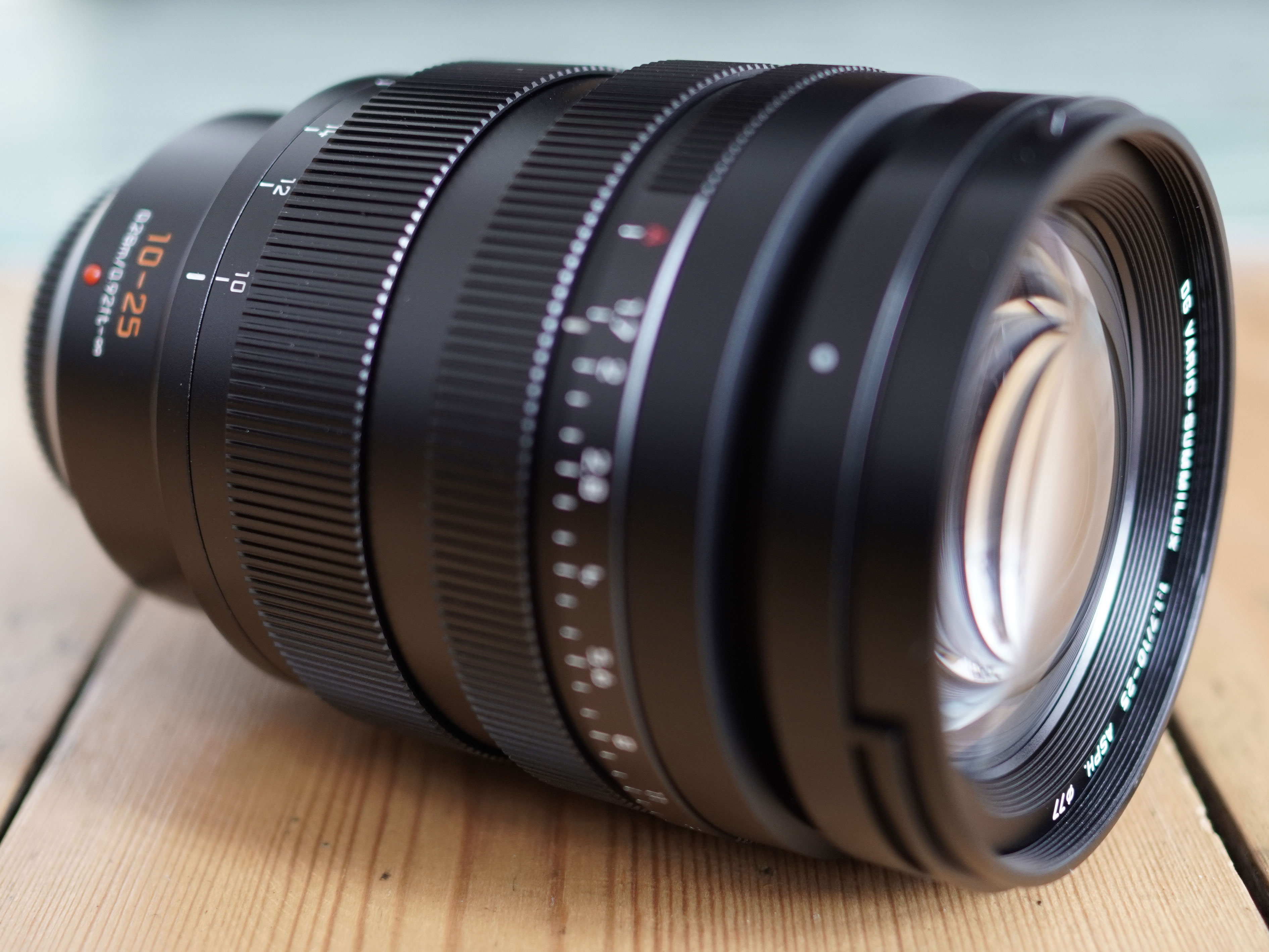
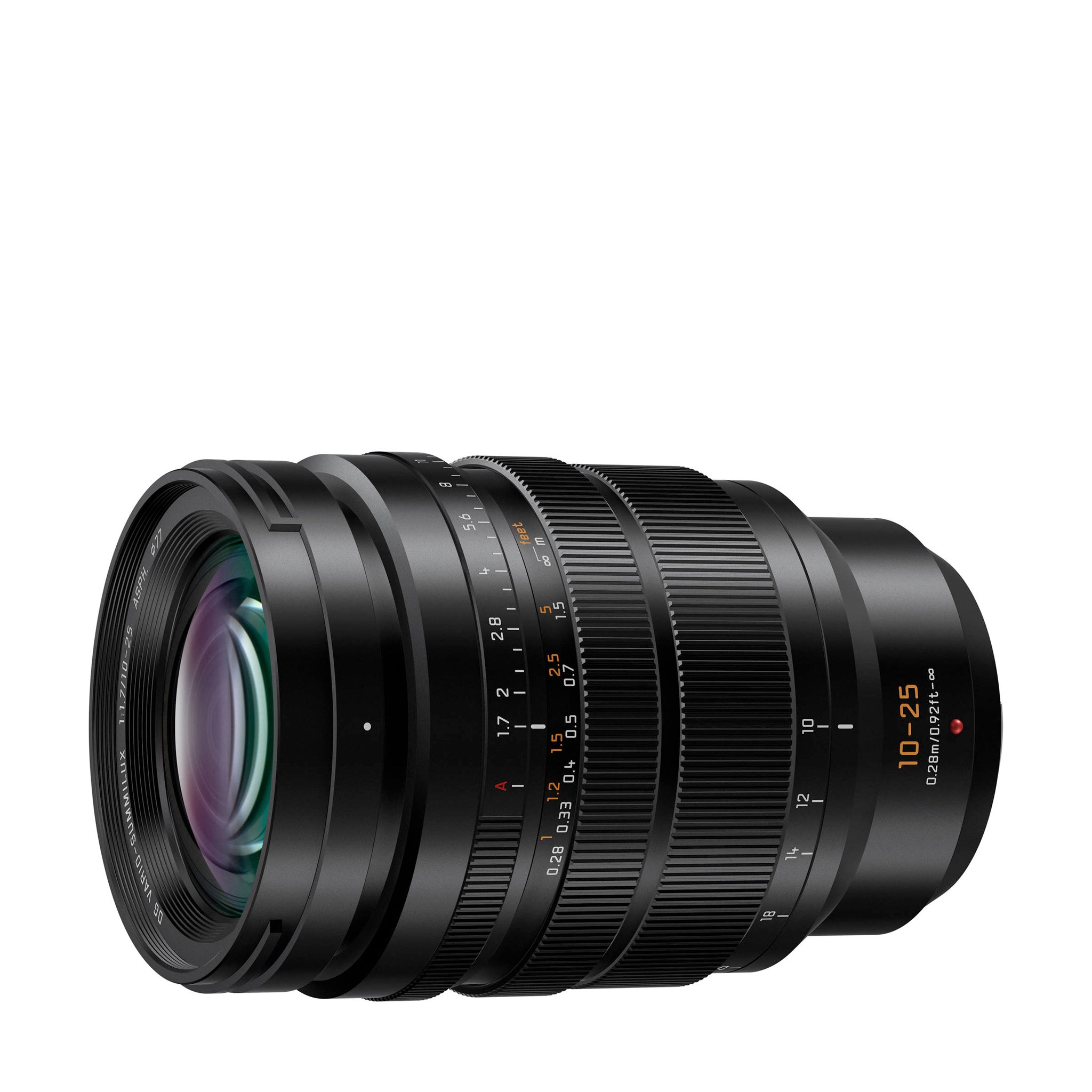
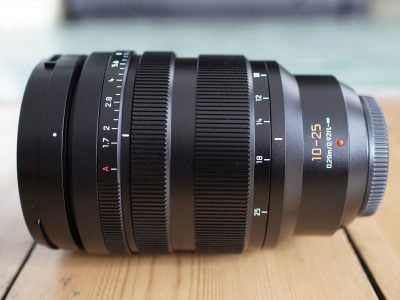
Micro Four Thirds shooters have had this cheat code for a while with the Panasonic Leica DG Vario-Summilux 10–25mm f/1.7, which delivers roughly a 20–50mm full-frame equivalent field of view. And now full frame might finally get its own version of that philosophy, because SonyAlphaRumors has posted details around a Samyang 20–50mm f/2.0 FE concept shown at CP+.
So let’s talk about why 20–50mm is such a killer range, and why it can be more versatile than the classic 24–70, 28–70, or 16–35 for a lot of modern creator workflows.
20mm: wide enough to save you, not so wide it ruins you
20mm on full frame is practical wide. It’s wide enough to:
- make small rooms feel breathable
- capture full environment without backing into a wall
- give establishing shots real energy
- make handheld video feel present and immersive
But it’s not so wide that every frame turns into the ultra-wide look where edges stretch, verticals shout, and the lens becomes the story.
That is exactly why the jump from 24mm to 20mm feels bigger in real use than it looks on spec sheets. Indoors, 20mm often turns a compromise shot into a clean shot.
The distortion truth bomb
A lot of what people call “distortion” at very wide focal lengths is perspective exaggeration from shooting too close, not optical failure. The practical advantage of 20mm is that you can stay wide without being forced into extreme camera-to-subject distance, so people, bodies, and faces stay more natural in normal rooms.
20mm is also stabilization-crop insurance
If you shoot video, you already know the pain: electronic stabilization, horizon leveling, and gyro stabilization in post often crop the frame.
Starting at 20mm gives you margin.
- 1.1x crop turns 20mm into 22mm
- 1.1x crop turns 24mm into about 26mm
- 1.1x crop turns 28mm into about 31mm
That’s the difference between still feeling wide and suddenly feeling tight.
If this is how you shoot now, a practical workflow tune-up around lens choice, movement, and framing consistency is exactly where Content Consulting pays for itself.
The prime set hiding inside 20–50mm is ridiculous
This is what people underestimate. A 20–50mm zoom effectively gives you:
- 20mm for interiors, establishing, dynamic environmental shots
- 24–28mm for street, travel, handheld talking shots with context
- 35mm for documentary and lifestyle natural perspective
- 50mm for portraits, product coverage, detail shots, and selective framing
That’s a complete visual language in one lens.
This is why 20–50 feels dramatic in actual shooting. You can move through very different visual intents without swapping glass.
50mm: the “long end” that is secretly enough in 2026
Is 50mm a telephoto? Not really. It’s normal-to-short-tele.
But what matters now is workflow reality:
1. High-resolution sensors make 50mm stretch further with clean crops.
2. In-camera and post crop habits are normalized for creator delivery.
3. Most real shoots need occasional extra reach, not permanent telephoto coverage.
So instead of obsessing over reaching 70mm on-lens, a lot of shooters now choose to:
- get wider than 24mm on the short end
- keep the lens smaller or better balanced for all-day carry
- use crop when they need occasional tighter framing
That logic is exactly why 20–50mm feels complete in modern hybrid production.
If your bottleneck is less “which lens?” and more “how do I keep this whole pipeline fast and consistent?”, a focused strategy pass is usually the highest-leverage move: 1 Hour Virtual Consult.
Why 20–50 can be more versatile than 24–70, 28–70, or 16–35
Let’s be fair: the classics are classics for a reason. But classic doesn’t always mean most useful for how people shoot now.
24–70mm: the safe choice that can feel heavier than necessary
24–70 is the event and wedding workhorse because it solves problems. But for travel, run-and-gun, interiors, and creator video:
- 24mm is often not wide enough indoors
- 70mm is nice but not always mission-critical
- many 24–70s are bigger than what everyday carry really needs
A lot of people effectively shoot 24–70 like a 24–50 most of the time anyway.
28–70mm: great outdoors, awkward indoors
28–70 can feel fantastic outside. But in small rooms, vehicles, apartments, and practical interiors, 28mm is where you start wishing for 24mm. And once you’ve really lived at 20mm, 28 can feel weirdly not-wide.
16–35mm: incredible wide tool, but not a one-lens day
16–35 is brilliant for architecture, landscapes, and dramatic wide storytelling. But as an only lens, it forces a second lens quickly because 35mm max leaves you without 50mm’s tighter product/portrait/detail framing.
20–50 behaves like one lens for a full mixed shooting day.
MFT already proved this years ago
The Panasonic Leica 10–25mm f/1.7 became a cult favorite for a reason. It wasn’t just a spec flex. It was a workflow philosophy:
- a standard zoom that behaves like a prime set
- bright aperture behavior designed for real hybrid use
- a focal range that covers what people actually shoot
That lens effectively normalized the idea that 20–50 equivalent coverage is enough for serious production if your workflow is smart.
The full-frame sequel: why the Samyang 20–50mm f/2 concept matters
SonyAlphaRumors has reported that a Samyang 20–50mm f/2.0 FE has been shown around CP+ as a concept/mockup. That does not mean production is guaranteed. But as a signal, it is important.
Source: SonyAlphaRumors: leaked images/details for the Samyang 20–50mm f/2.0 FE concept.
If this lens becomes real and optically strong, it would be a modern unicorn:
- wider than a 24–70
- faster than many standard zooms
- potentially replacing multiple primes for a lot of creators
- likely becoming a default daily lens for people who want capability without carrying a brick
It is essentially the 10–25 MFT philosophy scaled to full frame.
Who 20–50mm is perfect for
If I had to stereotype this range (lovingly), it’s built for:
- run-and-gun video shooters who need wide, normal, and tighter framing without lens swaps
- travel shooters who don’t want two zooms and a chiropractor
- street/documentary creators who naturally live at 28, 35, and 50 but still need true wide coverage
- family/everyday creators shooting indoors where backing up is not an option
- hybrid creators who need one lens for talking head, b-roll, products, food, and occasional portrait framing
In short: people who want a lens designed around real scenes, not legacy tradition.
The punchline: 20–50mm is the grown-up standard zoom
24–70 became the default in an era where:
- sensors were lower resolution
- stabilization/crop workflows were less common
- people leaned harder on optical long-end reach for delivery
Today, for a huge percentage of creators, the smarter compromise is:
- start wider at 20mm
- end at the most useful short portrait length at 50mm
- let resolution and crop handle occasional extra reach
That doesn’t mean 24–70 is bad. It means 20–50 may be better aligned with how many people actually work now.
And if your footage mix includes Lumix and you care about fast grade consistency from ingest to export, LUMIX LOG2LOG Conversion LUTs are a practical speed-up that fits directly into this type of lean, one-lens workflow.