A $2,000 IMAX Camera


A $2,000 IMAX Camera
Start with what IMAX actually means
If you want the IMAX feel without IMAX money, your best move is not chasing a marketing label. It is understanding what actually creates that look: bigger capture area, taller framing, and enough resolution headroom to keep the image rich when you crop for different outputs. You can get surprisingly close to that mix with a used full-frame body, a focal reducer, and medium format glass for around $2,000.
When people say IMAX, they usually mean three things at once: very large capture format, a taller image shape, and very high resolving power. Many modern releases marketed for IMAX use digital large-format pipelines and wider 1.90:1 presentation, which can still look great but is different from true 1.43:1 70mm IMAX capture and projection. For baseline context, review the IMAX format overview.

The $2,000 build logic
The core path is straightforward: use a Lumix S5 II body, add a full-frame to medium format focal reducer, and pair it with older manual Mamiya medium format lenses. That stack pushes your effective look beyond standard full-frame rendering without requiring true medium format cinema budgets.
If you are building this for client work and need to avoid expensive trial-and-error purchases, Content Consulting is a practical way to map body, adapter, and lens choices to your actual deliverables before you buy.

Sensor math, field of view, and open-gate framing
Full-frame sits around 36x24mm, while digital medium format can be significantly larger depending on the system. Once you add a focal reducer and medium format lens coverage, the effective rendering shifts, and your familiar focal length instincts need recalibration. An 80mm medium format lens can behave much closer to a normal or short portrait perspective in this workflow.
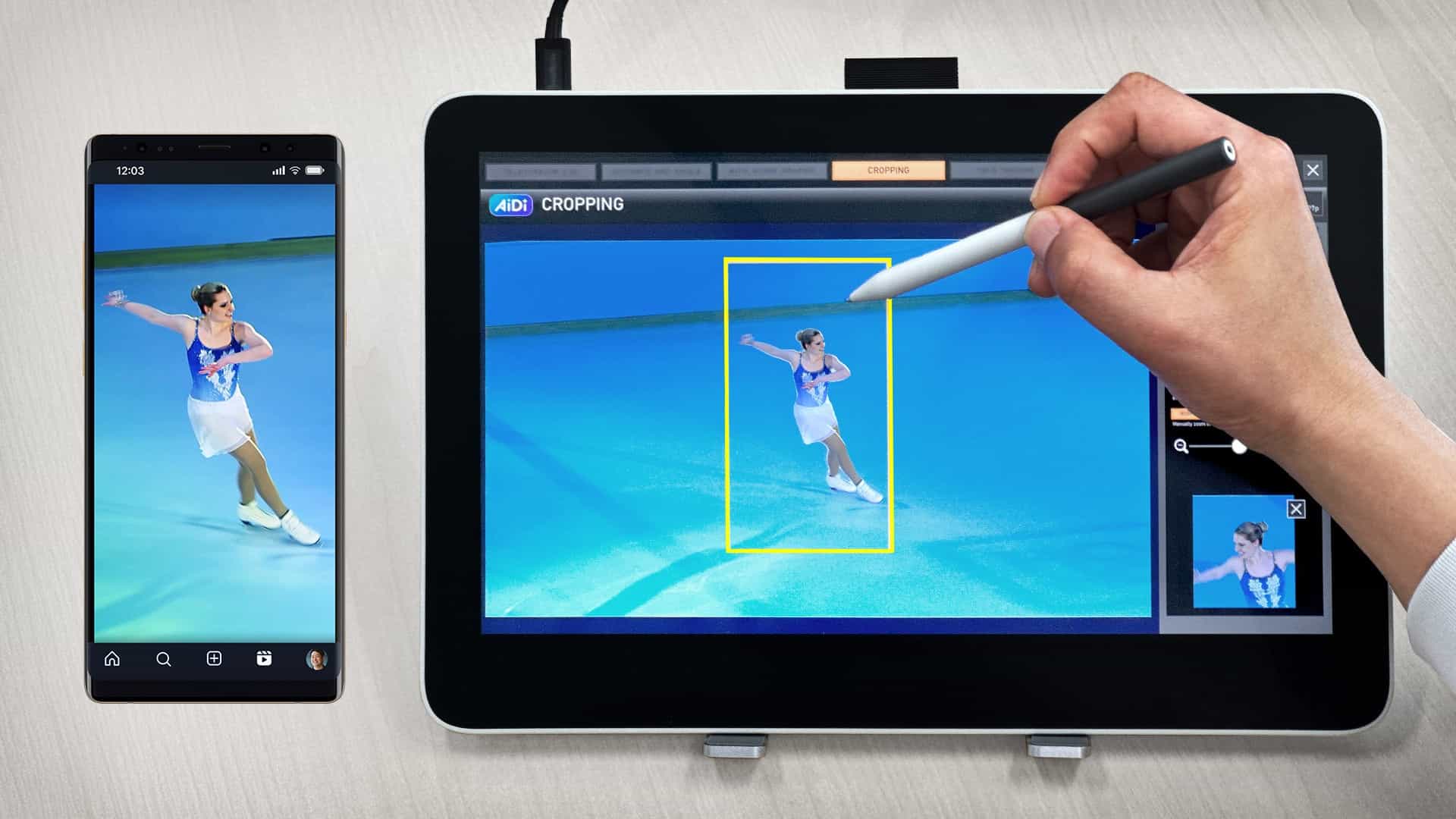
Open-gate capture is the second major advantage. A taller frame shape gives you more composition flexibility for both horizontal and vertical outputs. You keep cleaner reframing options and stronger multi-format delivery without forcing ultra-wide cinematic crops into every project.
For the optical side, this focal reducer reference is a useful technical baseline. If you want direct help translating that into your own lens map and shot list, a 1-Hour Virtual Consult can make the decisions concrete fast.

Where this rig wins, and where it does not
The payoff is strong for the cost: open-gate framing, 6K capture headroom, and a larger-format visual character in a compact body. You are not matching true 70mm IMAX scale or total resolving potential, but you can produce a result that feels far beyond typical low-budget digital capture.
The tradeoffs are real: manual focus workflow, very shallow depth of field management, and the need for intentional lens planning. If you want to turn this from a one-off experiment into a repeatable production pipeline, the One Day Content Creator Virtual Bootcamp is designed for exactly that system-level execution.