The Most Overrated Feature for Video


The Most Overrated Feature for Video
If you are trying to choose gear based on marketing noise, you can waste years chasing the wrong specs.
A better way is to ask a harder question: which features genuinely remove friction from your work, and which ones mostly inflate cost, storage load, and complexity without giving you enough back.
When you run that test across autofocus, IBIS, full-frame, slow motion, 10-bit, and Open Gate, one feature stands out as the most overrated in modern production workflows.
Why autofocus is still non-negotiable
If you shoot interviews, gimbal work, jibs, remote camera control, or solo-host content, reliable continuous autofocus is not optional. Subject movement is constant. People lean forward, drift back, and turn unexpectedly.
Modern face and eye tracking solved a problem that used to require constant manual correction. You get confidence that your subject stays sharp while you focus on framing and pacing.
You can still use single-point techniques for certain setups, but there is no clean replacement for strong continuous autofocus when you need dependable results at speed.

Why IBIS is not overrated either
IBIS still earns its place because it lets you keep your setup lighter and faster. You can skip a lot of extra rigging and still get stable handheld footage in situations that used to require a gimbal or slider.
That means fewer batteries, less weight, and less setup friction. Even if you still prefer dedicated stabilization tools for specific moves, quality IBIS gives you options that save time and money when speed matters.
Full-frame is expensive, but the value is real
You may not need full-frame for every project, but the practical benefits are real: cleaner low-light performance, easier shallow depth looks, and wider field-of-view behavior many shooters want.
Yes, there are workaround strategies with focal length choices and adapter tricks. But full-frame still delivers a distinct image behavior that many creators and commercial clients actively prefer.
Slow motion is situational, not overrated
High frame rate footage is not an everyday requirement, but when you need it, you need it. It smooths movement, creates visual separation, and reveals details you simply cannot see at normal speed.
Interpolation tools can mimic some of the look, but they do not consistently replace properly captured high frame rate footage in demanding edits.
10-bit changed the floor for serious video work
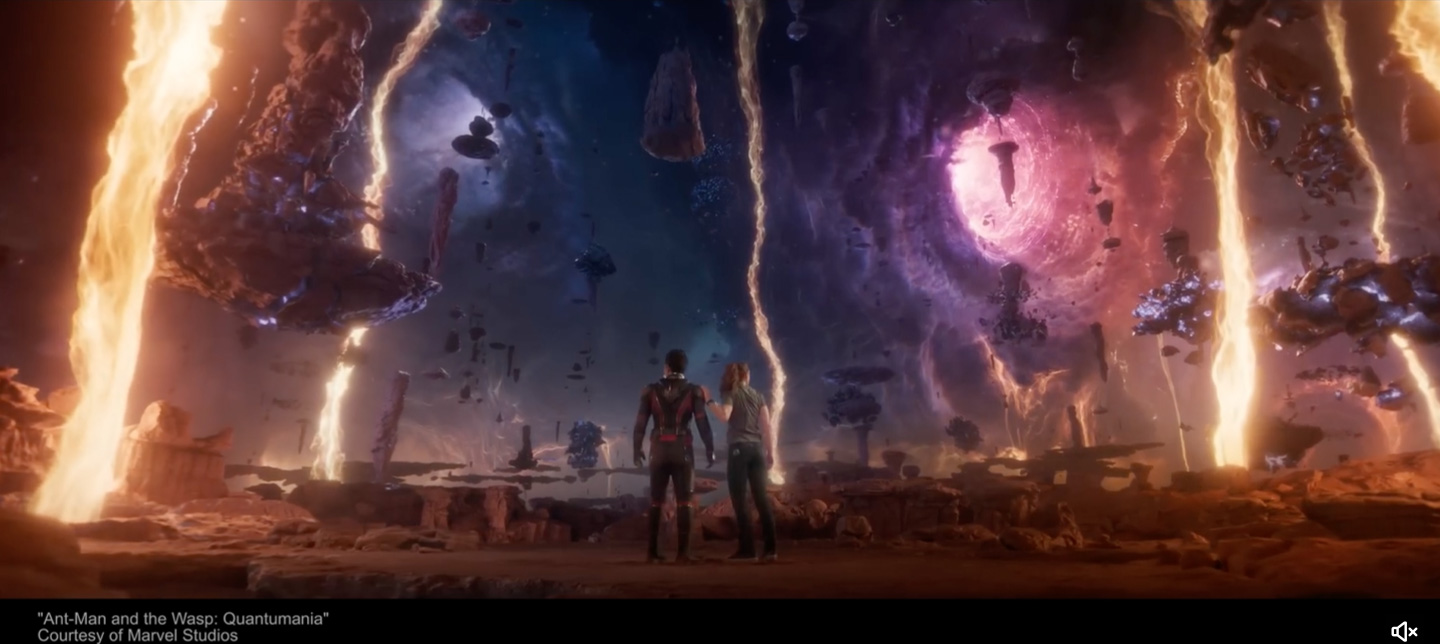
The jump from 8-bit to 10-bit was one of the biggest workflow upgrades in recent years. If you grade footage, especially log footage, 10-bit gives you the color precision and correction headroom you actually need.
In practical post-production, 10-bit is often where footage becomes resilient enough to survive real color work without breaking apart.
For creators trying to tighten quality and consistency across client work, the fastest gains usually come from workflow design and repeatable color standards, not random gear swaps. That is exactly where a focused 1-Hour Virtual Consult helps you remove avoidable bottlenecks.
Open Gate gives you format flexibility you can actually use
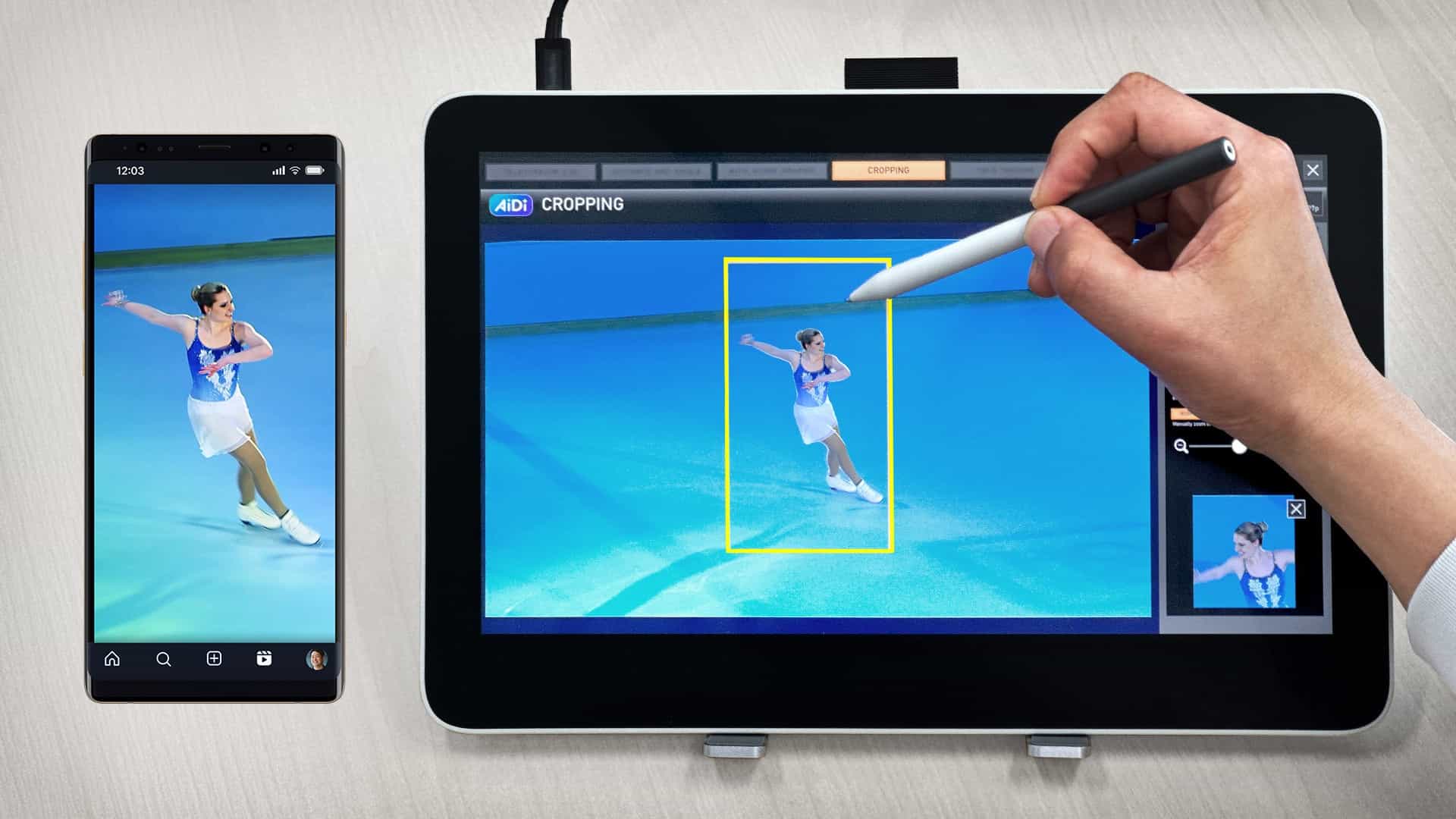
Open Gate remains one of the most practical capture modes available for modern distribution. You can reframe horizontal footage for vertical delivery, keep headroom for recrops, and preserve flexibility for different platform outputs.
If you shoot anamorphic, Open Gate is even more useful because it maximizes sensor use for those aspect-ratio workflows. It also helps when you want cleaner frame grabs that read more like stills for cross-platform publishing.
The most overrated feature for video: RAW
RAW video is powerful, but for most creators it is the easiest feature to overvalue.
The core issue is not image quality in absolute terms. The issue is tradeoff efficiency. RAW creates larger files, heavier storage demands, and more compatibility stress across teams and software.
And once you are already shooting robust 10-bit log, the practical gap between that and RAW is often smaller than people expect in normal production.
RAW can save edge cases where exposure or white balance is severely off. But for the majority of well-managed shoots, 10-bit log captures enough flexibility while keeping your workflow lighter.
If your goal is shipping consistently, autofocus reliability, stabilization, Open Gate flexibility, and 10-bit pipeline discipline usually return more value than forcing RAW into every project.
Practical decision rule you can apply immediately
When you evaluate any camera feature, ask three things: does it solve a recurring production problem, is there a clean workaround with similar results, and does it speed delivery or just increase post burden.
By that standard, RAW is useful but often over-prioritized. You can produce outstanding work with strong 10-bit log workflows while keeping your process faster, cheaper, and easier to scale.
If you are building a team workflow and want that system pressure-tested, Content Consulting can map your exact recording, edit, and delivery chain. If you prefer a hands-on implementation sprint, the One-Day Content Creator Virtual Bootcamp is built for that.
For deeper reading on the underlying formats and workflows, review Panasonic's Open Gate specifications, Blackmagic RAW documentation, Apple's ProRes RAW workflow guide, and REDCODE RAW technical overview.