The Story of Fro Knows Photo (YTOG)

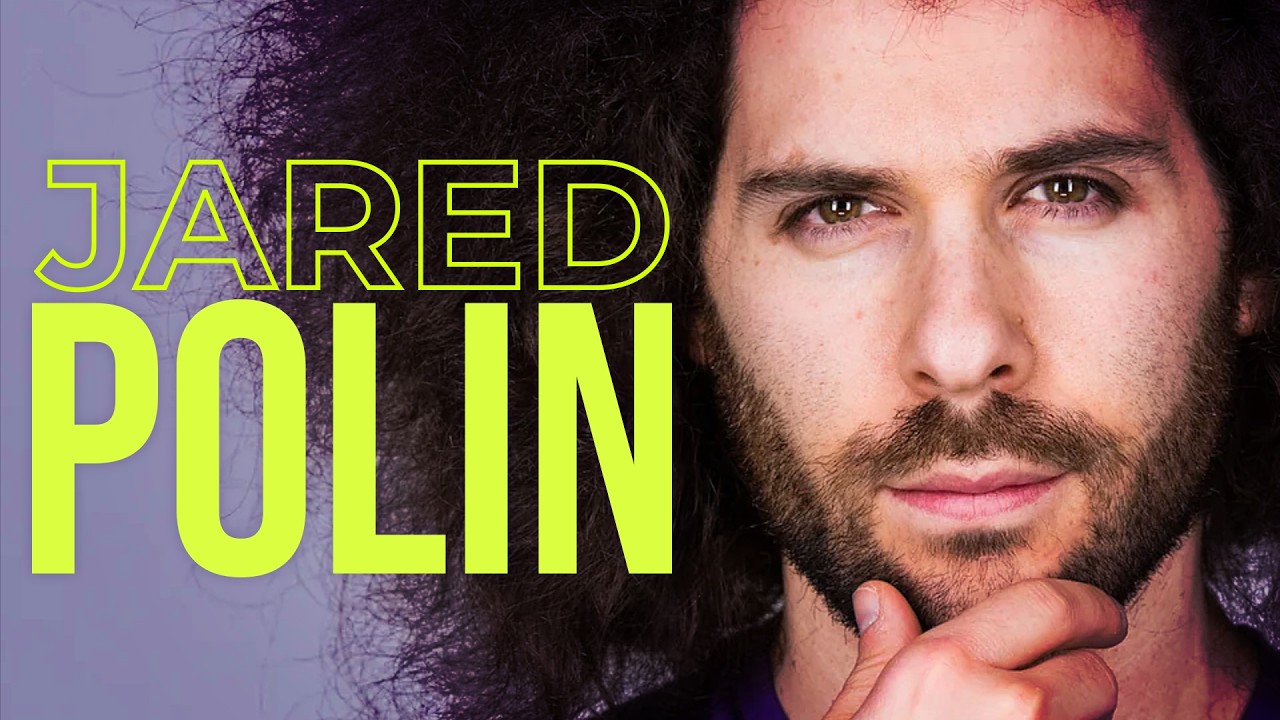
The Story of Fro Knows Photo (YTOG)
How a 13-year-old with a point-and-shoot built a recognizable media brand
The starting point was simple. You pick up a camera young, realize you can freeze moments better than most people around you, then keep following that instinct. Jared Polin started around age 13 with his mom's point-and-shoot in Pennsylvania, and by high school he was already challenging yearbook shooters from the sidelines because he believed he could make better action images.
That early confidence did not stay theoretical. In his twenties, he was shooting concerts in high-pressure environments where settings decisions had to happen in real time. One practical example he calls out is pushing to 1/500 and ISO 8000 to freeze a jump on stage. That is the kind of field repetition that builds real camera judgment, not spec-sheet confidence.
If you are building your own repeatable shoot and post workflow from real assignments, content consulting can help you tighten your decisions around settings, turnaround, and delivery without losing your style.

The channel did not begin polished. It began with friction and repetition
The channel technically started in 2008 with a family upload, then found its identity around 2010 after a failed early site concept and a rough on-camera start. The first attempts were awkward. The delivery was choppy. But the direction became clear fast: too much bad photography advice was circulating online, so he would publish a louder, clearer alternative.
That commitment turned into an aggressive cadence that most creators still do not sustain. At one point, he was producing up to two uploads a day, ideating in the morning, shooting, editing, publishing, then repeating in the afternoon. That volume mattered because it sharpened style, speed, and audience trust at the same time.
If your bottleneck is shipping consistently while keeping quality steady, a focused 1 Hour Virtual Consult is a practical way to map your exact production loop and remove drag.
Why I Shoot RAW became more than a slogan
I Shoot RAW became the identity anchor. It was a technical position, a cultural signal, and a marketing asset all at once. The phrase showed up on shirts, stickers, and content branding, and it helped define a tribe in a crowded photography niche.
The channel also grew through conflict and personality. A public back-and-forth era with Ken Rockwell pulled attention. The comedic sniff-test bits, direct rants, and high-energy delivery made tutorials feel conversational instead of academic. People came for entertainment, then stayed because they were learning exposure, autofocus behavior, and practical gear tradeoffs in plain language.
For background on RAW image workflows and why flexibility in post matters, Adobe's Camera Raw documentation is useful context: Adobe Camera Raw resources. For a neutral reference on Polin's public profile, see Jared Polin.

The turning points were not only technical. They were cultural and business decisions
One widely shared moment came when he was stopped at Six Flags over the I Shoot RAW shirt and ended up buying a bright pink VIP shirt to stay in the park. The episode became free exposure for the brand and strengthened community identity instead of weakening it.
On the business side, the operation expanded from personality channel to media company. Merch, presets, guides, and tools were layered in. The FroFactory studio setup then made production more efficient with dedicated sets for different content types, which is exactly how you increase output without rebuilding your lighting and camera plan each time.
If you are trying to package education, products, and publishing into one coherent creator business, the One Day Content Creator Virtual Bootcamp gives you a framework to do that intentionally.
Criticism, corrections, and resilience are part of long-term credibility
A long run in public always includes criticism. Viewers questioned potential bias when early gear access and brand relationships were involved. Some reviews required follow-up corrections, including a noted autofocus complaint that was later traced to incorrect settings. Public debates with other educators, including Tony Northrup, amplified that scrutiny.
What matters is not pretending those moments never happened. What matters is whether you keep publishing, keep correcting, and keep improving process under pressure. That is also where the personal side matters. Polin has spoken about losing his mother in 2011 and how that period shaped his urgency, identity, and creative drive. That vulnerability gave audiences a fuller picture of the person behind the loudest on-camera moments.
For broader creator-economy context around sustainability and burnout patterns for independent publishers, this overview is useful: Pew Research on creator and influencer publishing trends.

The practical lesson for your own channel
The durable takeaway is straightforward. A creator brand lasts when your voice is distinct, your publishing cadence is disciplined, your teaching is useful, and your business model is clear. You do not need to be perfect on day one. You need to be unmistakable, consistent, and willing to evolve in public.
That is the pattern here: real shooting experience, relentless output, memorable positioning, visible controversies, operational upgrades, and long-term community building. If you apply those pieces in order, you build something bigger than a channel. You build an ecosystem people recognize instantly.