Gerald Undoes Open Gate for the Sony a7 V

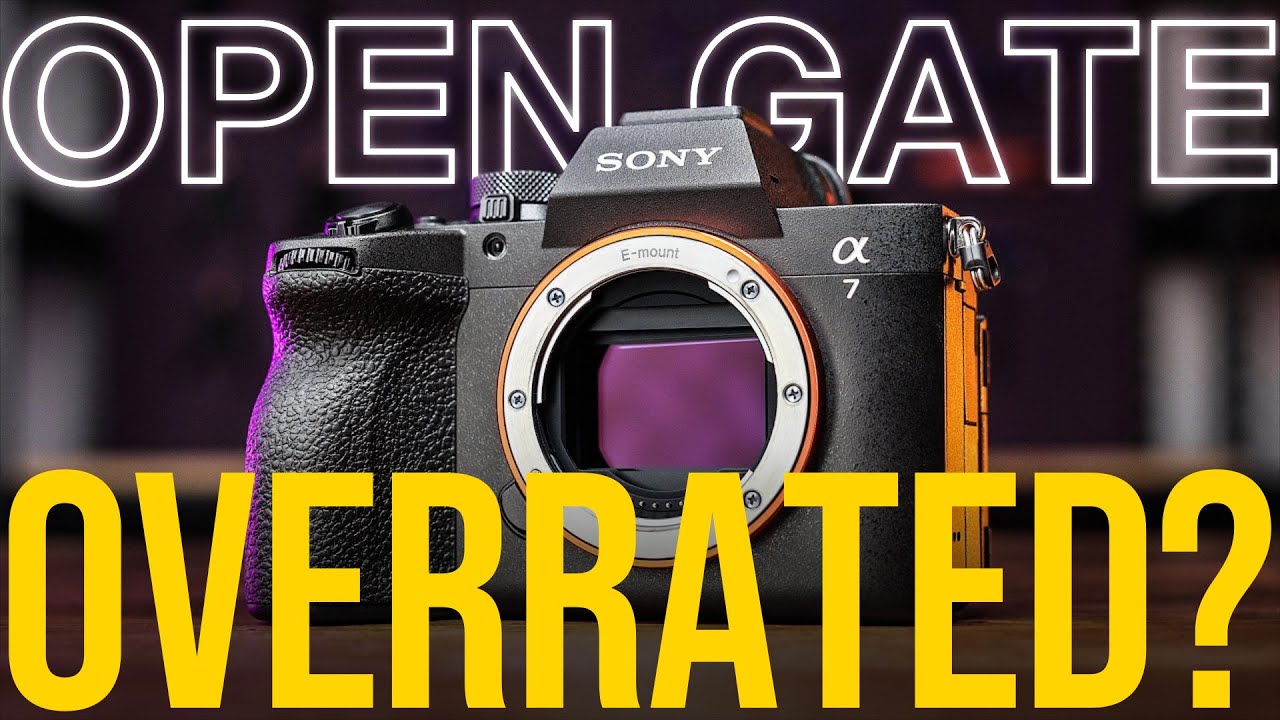
The Sony a7 V discussion starts with something simple and useful: responsive vertical UI behavior. Rotate the camera, the interface follows your orientation, and that removes friction when you are shooting for multiple formats. That quality-of-life improvement is real. The bigger argument is what Sony left out: no open gate mode and no internal RAW.
The strongest point here is not brand loyalty, it is workflow reality. You can survive without open gate on a 16:9-only project. But your projects do not always stay 16:9-only. A client asks for 9:16 two weeks later. Marketing wants 4:5 cutdowns after delivery. That is when capture decisions you made on day one either protect you or punish you.
Open gate is full sensor capture, not a trend word
A lot of the online noise treats open gate like a gimmick. It is not. It is simply recording the full sensor area instead of committing early to a 16:9 extraction. You already accept this logic in stills. You shoot full-frame photos, then crop later for where they need to live. Open gate applies the same flexibility mindset to motion.

If you are building repeatable social deliverables, that flexibility is where coaching and planning matter more than specs on paper. A practical review of your capture-to-delivery pipeline through Content Consulting can save you from discovering format problems after the edit is already locked.
Anamorphic history explains why people still argue about it
Part of the confusion comes from terminology. Earlier camera generations often exposed full-sensor recording through anamorphic modes first, so people associated open gate with anamorphic use only. That link still echoes in current debates. The practical truth is broader: you can benefit from full-sensor capture even when you are not shooting anamorphic glass.

Sensor shape still matters. A 4:3 sensor gives you taller native capture than 3:2, which can produce cleaner vertical extractions. But 3:2 is still a meaningful middle ground between classic 16:9 framing and the modern need for vertical variants.
The real value is reframing insurance when deliverables shift
The argument for open gate is not that every shot must be reframed. The argument is that your future options stay open. When deliverables change, you are not forced into awkward punch-ins, blurred side fills, or expensive re-edits to fake composition you never captured. You keep real image area available for 9:16, 4:5, and 1:1 without rebuilding from scratch.

That is why open gate gets compared to RAW. You do not always need every ounce of latitude, but when you do, it saves the project. The same planning mindset applies to shutter-angle consistency and delivery prep. If you want that locked into your process faster, a focused session like the 1-Hour Virtual Consult helps you standardize decisions before mistakes compound on set.
Tradeoffs exist, but they are often overstated
The pushback is familiar: full-sensor readout can be slower, modes can change codec options, and thermals or frame rates can shift. Those tradeoffs are real in specific implementations, but they are not the same thing as saying open gate is useless. Cropped readouts can be faster because fewer lines are read, but that does not erase the value of keeping full-frame data when your output plan is uncertain.
The better standard is straightforward: if a camera can offer open gate cleanly, offer it. Let creators choose. You are not forced to use it on every job, just like you are not forced to shoot RAW on every take. Optional headroom is better than missing headroom.
If your team keeps getting trapped between horizontal masters and last-minute vertical asks, build that requirement into your preproduction checklist and practice it in real scenarios. Structured drills inside the One Day Content Creator Virtual Bootcamp are a fast way to pressure-test camera setup, framing discipline, and delivery handoff before client deadlines expose gaps.
Bottom line
You do not need to treat open gate like magic. You also should not dismiss it like hype. It is capture flexibility, and flexibility protects your time, your edit, and your margin when requirements move late. That is why the call for open gate on modern hybrid cameras keeps getting louder, and why it is a smart feature to demand even if you only cash in on it part of the time.
Sources: Gerald Undone Sony a7 V review, Anamorphic format reference, Aspect ratio reference, Sony interchangeable-lens camera lineup.