You NEED To Watch This Masterpiece

A film you cannot shake after the credits
You can call The Fall an awkward title all day, but once you sit with the movie, the name lands exactly where it should. What starts as a visually outrageous fantasy keeps pulling you back into a very human emotional core. That is the surprise. You expect a style exercise and you get a story with weight.
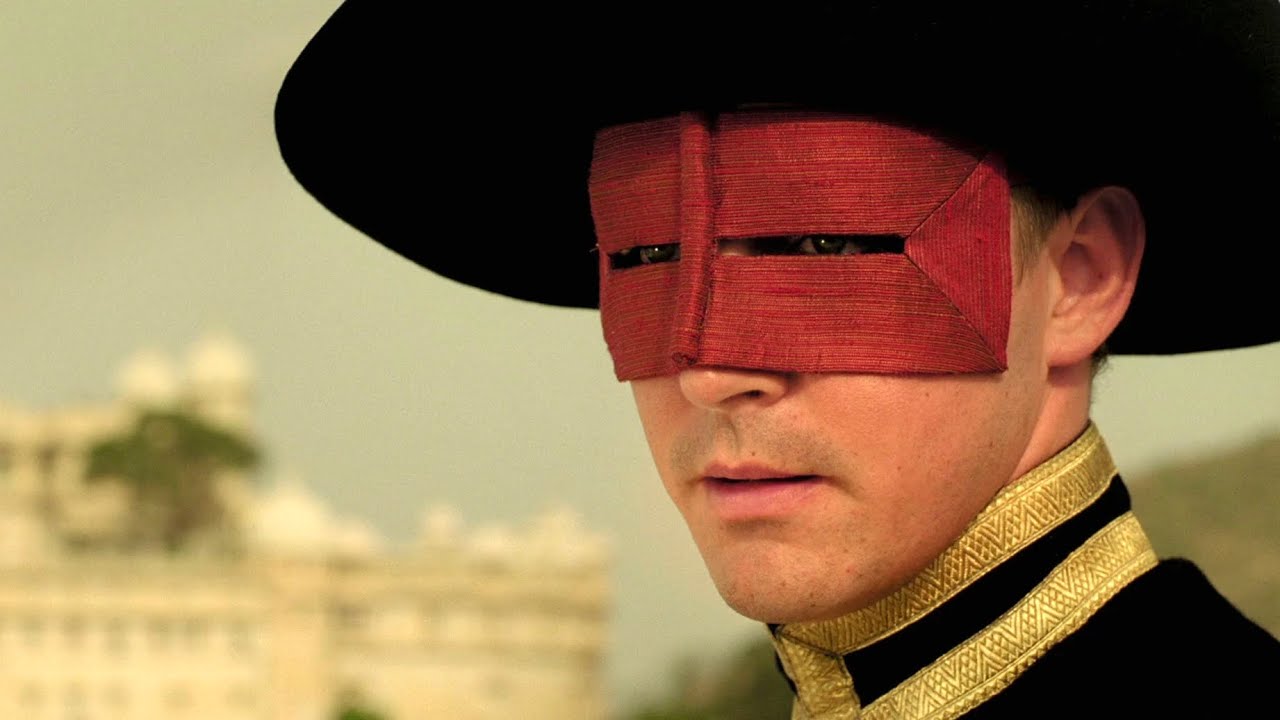
Most visually famous films get praised for frames and forgotten for feeling. Here, the images are not wallpaper. They are tied to grief, hope, manipulation, and trust. You are not just admiring color and costume. You are tracking two damaged people trying to survive pain in different ways.

Why the visual spectacle actually works
Yes, the movie is breathtaking. Tarsem stages sequences across real-world locations with costumes and compositions that feel almost impossible to pull off. But what makes it stick is that the visual excess is counterweighted by an intimate hospital-room thread. You get two modes running in parallel: mythic and ordinary, huge and fragile.
That dual structure is the key. If you have ever watched a gorgeous film that felt empty, you already know the failure mode: all surface, no center. The Fall avoids that trap by keeping the emotional stakes grounded while the imagery goes wild.
If you are building your own visual projects and trying to make style carry meaning instead of noise, this is exactly the kind of breakdown worth studying. The same principle shows up in brand and creator work, and it is one reason people book content consulting when they need story and visual language to align instead of compete.
For production context, Roger Ebert's review captures how unusual the film's image-making was for the era, and the production history notes how heavily it leaned on practical locations over synthetic environments: RogerEbert.com and Wikipedia production background.

The storytelling structure: fantasy layered over reality
The narrative design works like a story-inside-a-story framework. If you connect with The Princess Bride model, you will recognize the mechanism immediately: the framing relationship gives the fantasy stakes. Without the frame, the adventure is just spectacle. With the frame, every invented character choice tells you something about the people telling the story.
That is why the film can be bizarre and still emotionally legible. You are not asked to decode abstract art for two hours. You are watching imagination used as a pressure valve for real emotional conflict. Comparisons to The Princess Bride, The Adventures of Baron Munchausen, and Time Bandits make sense because each one balances whimsy with a sharper emotional edge than people remember.
Performances that hold the whole thing together
The young lead carries an enormous amount of the film's emotional burden. Instead of becoming a distracting kid role performance, she brings charm, unpredictability, and real vulnerability. That performance is the anchor that makes the tonal swings believable.
Lee Pace brings the other half: charisma mixed with menace, warmth mixed with damage. That combination is exactly what this role needs. If either lead misses, the movie collapses into visual showreel mode. Because both performances land, the film earns your full attention all the way through.
If you are training your own eye for performance-driven coverage and emotional pacing, a focused review workflow can save months of guesswork. That is where a 1-hour virtual consult is useful: shot choices, pacing decisions, and scene intent can be tuned quickly when the feedback is specific.

Where to watch and why this matters right now
The film is currently available on MUBI, which is useful if you want a curated catalog rather than algorithmic scrolling. You can check current availability directly at MUBI. If you care about cinema craft, this is one of those titles worth prioritizing instead of endlessly browsing.
There is also a practical takeaway for creators: do not choose between craft and emotion. Build both. Start with an emotional spine, then design visuals that intensify it. If your next project needs that kind of integrated execution from concept to delivery, the one-day creator bootcamp is built for exactly that end-to-end workflow.
The Fall is strange, bold, and occasionally chaotic, but it never feels empty. That is the difference between something you admire and something you remember.