A Masterclass in Filmmaking

Why this movie keeps rewarding rewatch after rewatch
Some films entertain you once. Others keep teaching you. Ocean's Eleven sits in that second category because every pass gives you another layer to study: lighting shape, camera movement, blocking, color separation, actor rhythm, editorial timing, and scene transitions that never waste your attention. You are not just watching plot points land. You are watching craft stack on top of craft.
That is the core reason this movie still feels alive. It carries momentum without feeling rushed, and it carries style without turning style into noise. If you want a reference page for production context, cast, and release details, use the film page plus the IMDb listing. The point is not trivia. The point is that this project puts high level decisions on screen in a way you can actually reverse engineer.
%20poster.jpg)
Lighting that looks intentional without looking overproduced
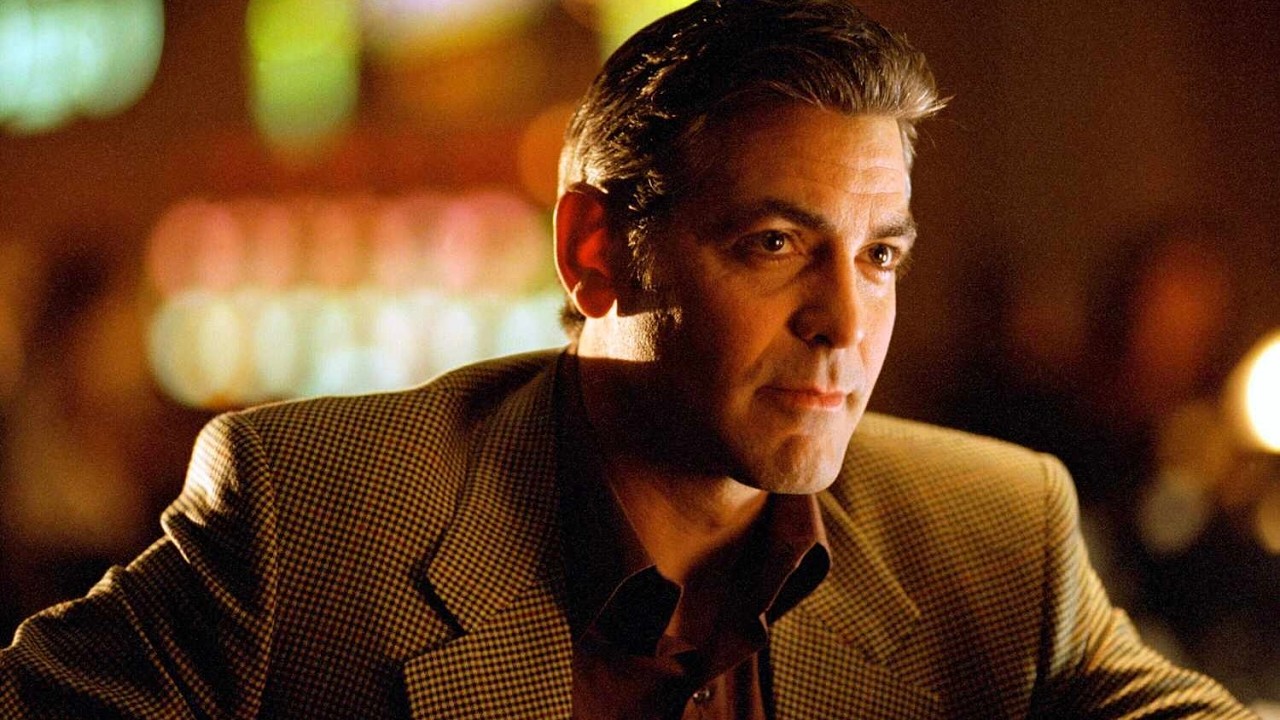
One of the easiest mistakes in modern production is over-prioritizing perfectly soft, perfectly even light in every setup. This film is a reminder that believable lighting often beats flattering lighting. You see underexposure when it supports mood. You see hard edges when it supports location reality. You see practical motivated contrast instead of smoothing every frame into the same polished finish.
That decision creates texture. It is why exterior scenes still feel like real daylight rather than a controlled set pretending to be daylight. It is also why interiors carry mood without crushing detail. You can feel where the key is, where edge is, and where shadow is allowed to stay shadow. If you are refining this in your own work, a targeted workflow pass through content consulting can help you build repeatable lighting rules for your own environments instead of rebuilding from scratch each shoot day.

Color and composition that feel rich, not synthetic
Another major win is color strategy. Instead of forcing everything into one trendy palette, scenes carry multiple anchored tones that keep the frame feeling lived in. You get greens, reds, warm skin tones, practical neutrals, and location color cues all coexisting in a controlled way. That richness does more than make frames pretty. It makes geography readable and character relationships easier to track.
The same goes for depth of field. Not every shot is chasing maximum blur. Many frames keep substantial background detail, especially in bigger practical locations, and the movie still feels cinematic. That is a useful correction if you have been told shallow depth is the only path to premium visuals. Composition, timing, and story context are doing as much heavy lifting as lens blur.
If you are trying to build this kind of visual consistency into a channel, campaign, or training library, the One Day Content Creator Virtual Bootcamp is a practical way to turn taste into repeatable production habits.

Editing momentum: skip the obvious and keep the engine running
The editorial rhythm is one of the best lessons here. Scenes advance by dropping you into the next useful beat rather than walking you through every connective action. You do not watch people move down every hallway if that movement adds no new information. You cut to where the story gains leverage. That keeps the film moving with confidence.
This is not careless cutting. It is controlled omission. You still understand position, intent, and stakes because setup moments are placed exactly where they need to be. The result is speed without confusion. If pacing is a recurring problem in your own edits, study transitions and scene entries closely. You will notice how often momentum is protected by removing middle steps the audience can infer on their own.
For editorial context on why these mechanics hold up, see this heist structure breakdown and compare it against how Ocean's Eleven introduces crew roles, obstacles, and reversals.
Character hierarchy and chemistry built with precision
The movie also excels at role clarity. You learn quickly who leads, who improvises, who overreaches, who provides technical depth, and who introduces instability. That clarity is not delivered in one exposition dump. It is distributed through scene behavior, blocking, and conversational power shifts. Every member of the crew enters with a functional purpose.
Just as important, personalities collide without breaking tone. The sarcasm is steady, understated, and controlled. It supports tension rather than diffusing it. Because the performances stay grounded, the ensemble feels like a unit with history, not a collection of isolated set pieces.
If your own longform content has strong ideas but weak on-screen role definition, a focused planning pass can fix that before you shoot. The 2-Day On-Site Content Intensive is built for that exact kind of pre-production and production system tuning.

How to apply this masterclass to your own filmmaking
If you want practical takeaways, start with five: light for scene truth before beauty, move camera only when movement adds information, let color support geography and emotion, cut to momentum instead of process, and define team roles through action not speeches.
Then test your own project against those rules scene by scene. Where are you over-explaining transitions? Where are you flattening light that should be directional? Where are you using shallow depth as a substitute for composition? Where is your ensemble under-defined? Ask those questions early and your final cut will feel more intentional immediately.
This is why the film still lands. It respects craft at every layer without announcing itself. You are left with something that feels effortless, but only because the discipline underneath it is so strong.