3 Videography Shifts Rewriting Creator Workflows This Week



Video workflows moved again this week, and the practical takeaway is simple: creators who adjust systems quickly will ship better footage with less post friction.
Trend Radar
1) 360 capture is getting more publish-ready straight out of camera
DJI’s newest Osmo 360 firmware (v01.03.08.70) adds Adaptive Tone and improved snow-scene color rendering, reducing the amount of rescue work needed in post for many run-and-gun creators.
Why it matters: If your output includes travel, event, or BTS coverage, better in-camera tonality means faster turnaround and more consistent multi-platform cuts.
Source: DroneDJ on the latest Osmo 360 firmware update.
If you’re balancing speed and grading consistency, these LUMIX LOG2LOG Conversion LUTs are a useful shortcut for cleaner first-pass color.
2) Pocket cameras are quietly gaining pro-level shutter flexibility
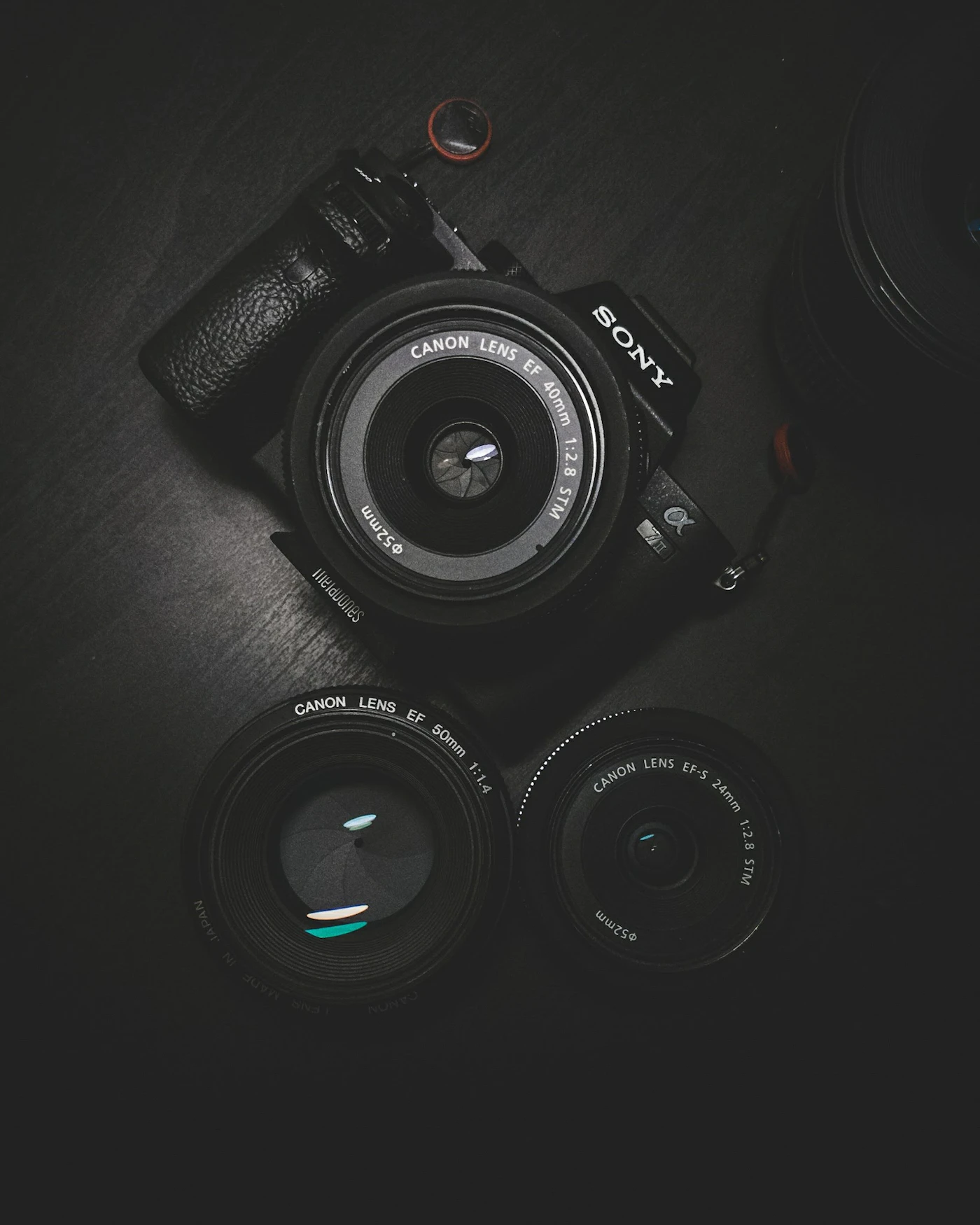
Ricoh’s GR IV firmware 1.11 adds electronic shutter behavior up to 1/16000 and documents tradeoffs like rolling shutter under fast motion.
Why it matters: Small-camera creators can hold wide-open looks in bright conditions without adding heavy ND management, but they still need to plan around motion artifacts.
Sources: Ricoh official GR IV firmware notes (v1.11); PentaxRumors summary of GR IV firmware changes.
For creators building a repeatable field-to-edit process around compact kits, the One Day Content Creator Virtual Bootcamp can help structure that pipeline.
3) Format and algorithm shifts are pushing creators toward modular edits
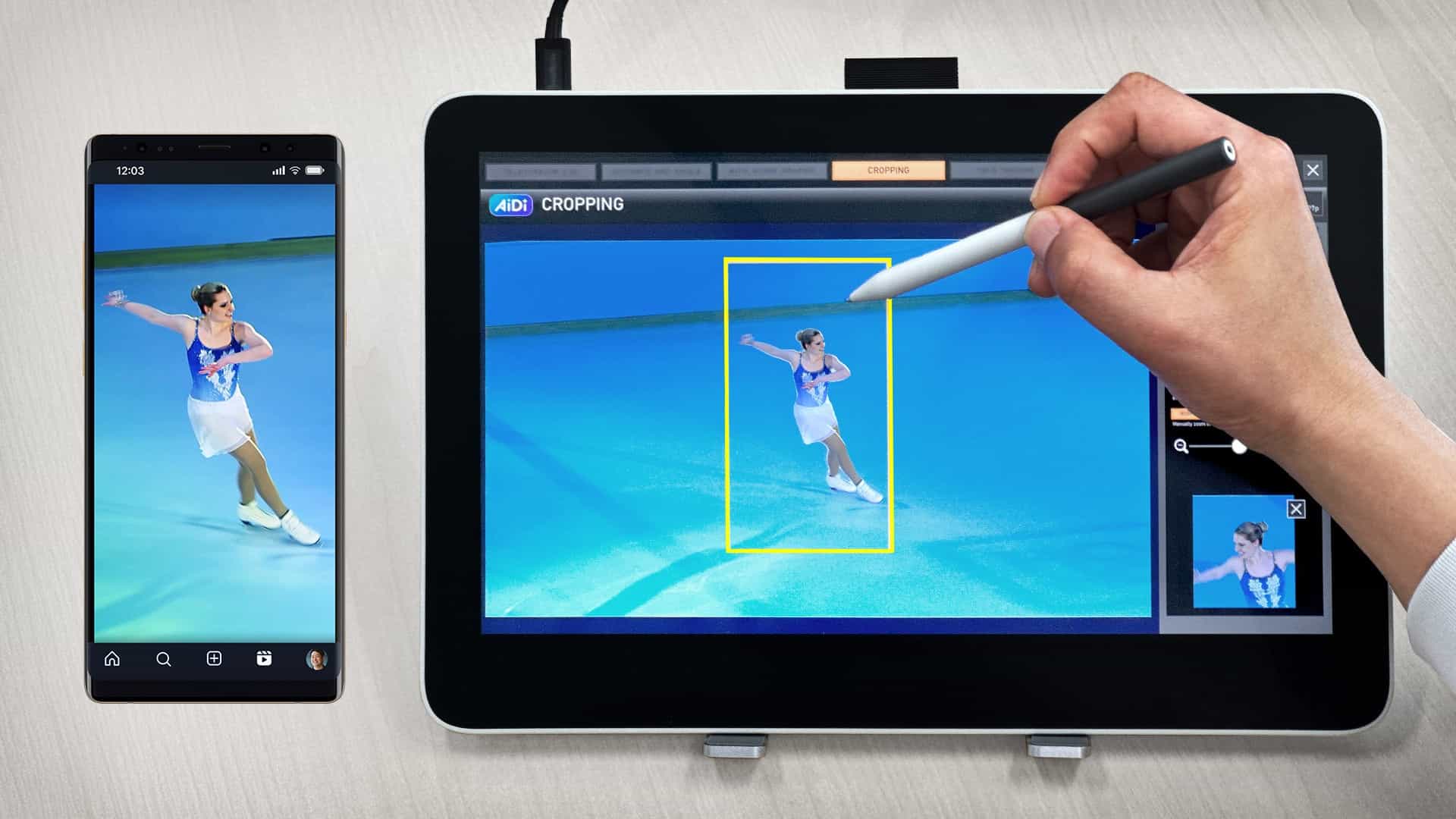
Creator-facing coverage this week highlights ongoing YouTube and Instagram pressure toward faster iteration, testing, and format-native packaging rather than one master cut.
Why it matters: Teams that design modular timelines (hook, body, CTA variants) can adapt across platforms without rebuilding edits from scratch each cycle.
Sources: vidIQ’s 2026 YouTube trend analysis; EmbedSocial’s February 2026 Instagram feature tracker; No Film School on DaVinci Resolve 20.3.2 workflow enhancements.
When your team needs stronger story pacing and retention shape (not just technical polish), this Nolan Cinematic Scores music pack can help tighten emotional rhythm in edits.

Creator Watch
This week favors creators who treat their workflow as a living system: adopt firmware improvements early, build shot plans around real camera behavior, and edit in reusable modules for multi-platform delivery.
Latest from Tographer
Making Videos for You, Not You