Are You Still Running Video, Audio, and Monetization as Three Separate Systems?

If your team feels busy but output still stalls, there’s a good chance your bottleneck is system fragmentation: one stack for capture, another for audio, another for revenue operations. The most useful shift right now is designing one connected operating layer.
Trend Breakdown
1) Creator monetization is becoming workflow infrastructure, not just sponsorship luck
YouTube’s NewFronts 2026 rollout of YouTube Creator Partnerships folds creator-brand matching, campaign coordination, and measurement into existing creator/ads workflows.
Why it matters: Revenue operations are moving closer to production operations. Teams that treat partnerships as a built-in workflow (not an afterthought) can plan formats and deliverables more predictably.
Sources: YouTube Creator Partnerships at NewFronts 2026; Creator partnerships boost documentation.
If you’re trying to connect content planning with actual business outcomes, Tographer’s Content Creator Services is a practical way to map that pipeline end-to-end.

2) Audio teams are now expected to plug directly into automation and remote control layers
Sennheiser’s NAB 2026 updates emphasize Spectera API access, WebUI-first operations, and expanded control workflows that integrate with broader production tooling.
Why it matters: Audio can no longer be a silo if your show is multi-room, remote, or fast-turn. API-ready audio workflows reduce manual handoffs and make troubleshooting faster under pressure.
Sources: Sennheiser Group NAB 2026 announcement; Spectera Rental Finder.
If your team is standardizing production handoffs across capture and sound, a focused 1 Hour Virtual Consult can help define clean control checkpoints before your next live day.

3) IP workflow literacy is becoming a baseline creator skill, not just a broadcast specialty
AJA’s March 2026 updates and pre-NAB roadmap messaging center on IP-to-IP bridging, SRT/RTMP conversion, and practical reliability improvements that keep distributed pipelines stable.
Why it matters: If your content moves across remote contributors, cloud delivery, and platform-specific outputs, IP workflow competency now affects delivery speed as much as camera choice.
Sources: AJA product and workflow updates; AJA pre-NAB reveal page.
For teams translating this into repeatable production SOPs, Tographer’s One Day Content Creator Virtual Bootcamp is aligned with building practical operator-level consistency.

4) Post and motion pipelines are being marketed as throughput systems, not isolated creative tools
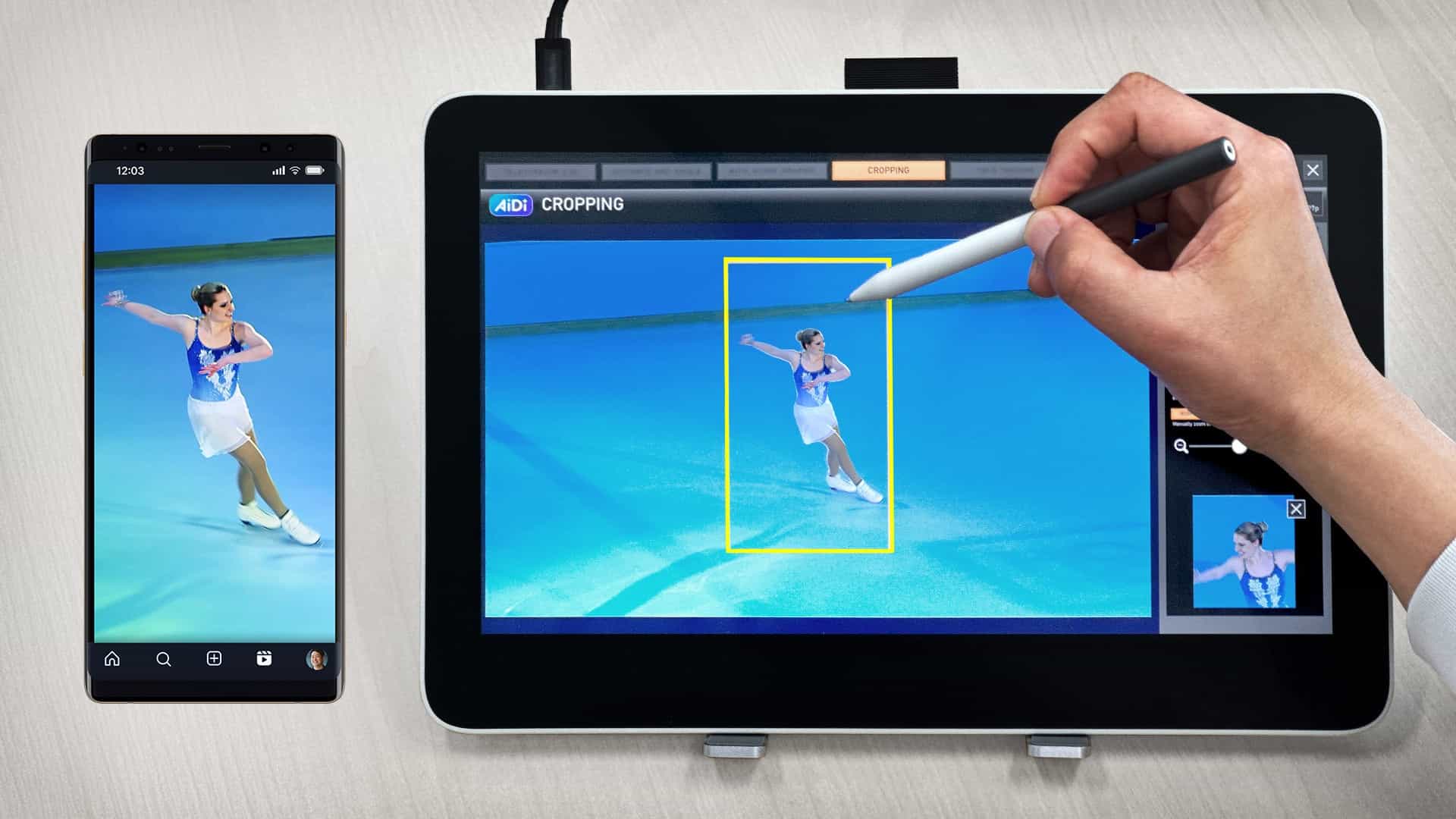
Maxon’s NAB 2026 positioning highlights workflow speed, pipeline optimization, and cross-tool execution for post teams working under tight publishing cadence.
Why it matters: The market message is shifting from "new feature excitement" to "less friction per deliverable." That’s exactly where creators can win back hours each week.
Sources: Maxon NAB Show 2026 event page; Maxon Post-Production World sessions; Epiphan NAB 2026 ecosystem preview.
What to Do Next
Run one project this week with a single owner for each layer: monetization ops, audio control, IP transport, and post pipeline. Then measure where work still gets re-entered manually. That re-entry point is your highest-ROI systems fix.
From the Tographer
A practical breakdown on how to approach a video shoot with clearer intent and fewer downstream mistakes.