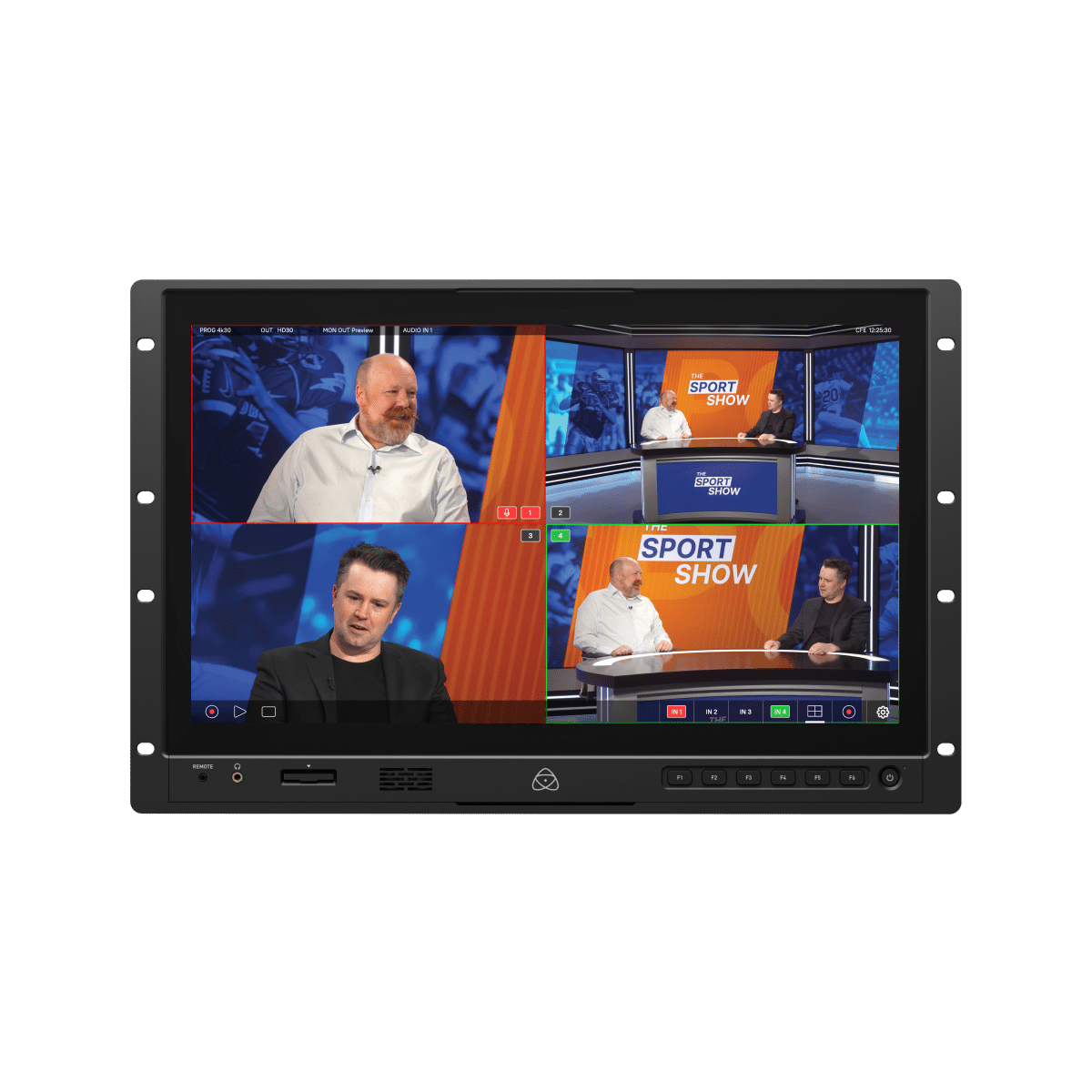
Atomos Just Bought FSI—Should Creators Rethink Their Entire Monitoring Stack?

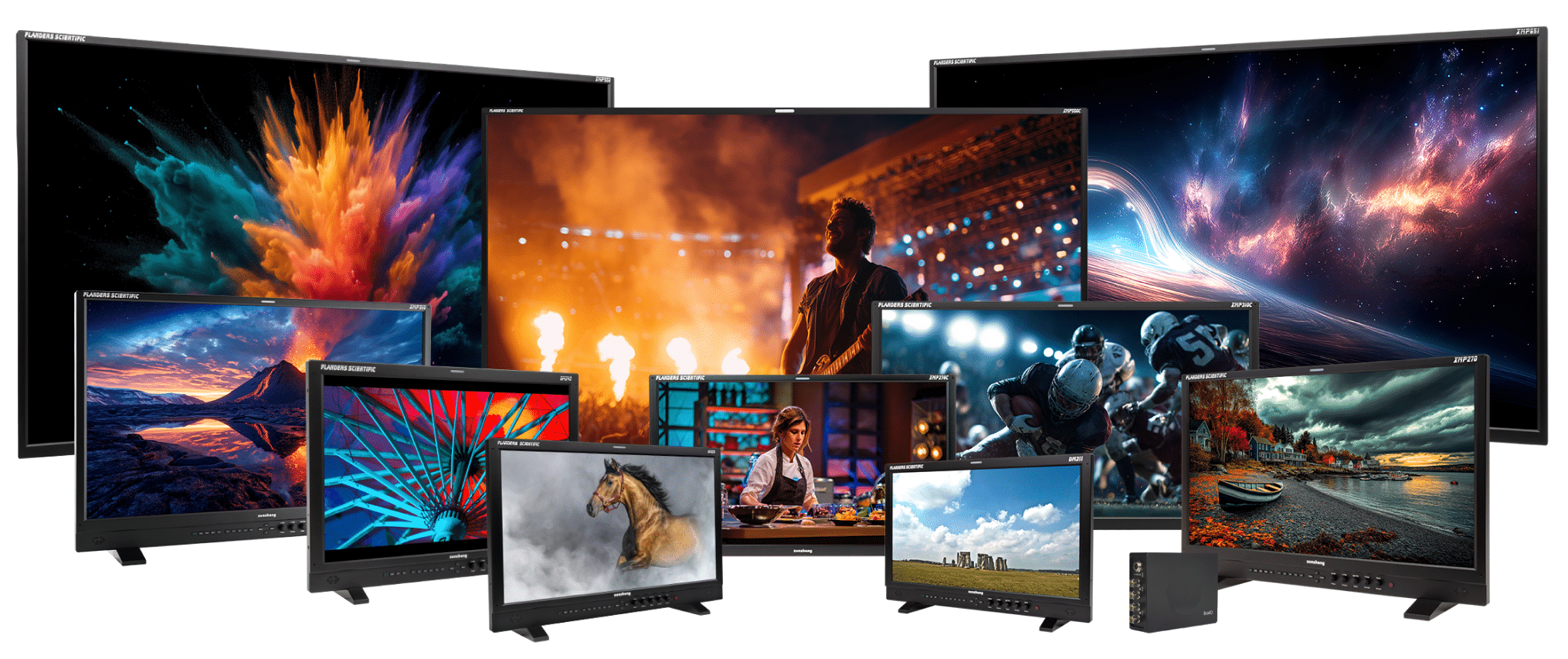
Atomos acquiring Flanders Scientific is more than a business headline—it signals that color-critical monitoring is moving from a specialist corner into mainstream creator workflows. If your team still treats monitoring as an afterthought, this is the moment to fix it.
Trend Breakdown
1) Monitoring is becoming a strategy decision, not a line-item accessory
Atomos says its Flanders Scientific acquisition is about delivering a full monitoring path from on-camera capture to final color delivery, while keeping FSI as a distinct reference-monitor brand.
Why it matters: creators who standardize monitoring earlier in the pipeline make faster edit decisions and avoid expensive color surprises at delivery.
Sources: Atomos acquisition announcement, Flanders Scientific official site.
If your team is unsure where reference monitoring actually improves ROI, a scoped 1 Hour Virtual Consult can help map what to fix first.
2) Adobe is collapsing ideation, editing, and review into one tighter loop
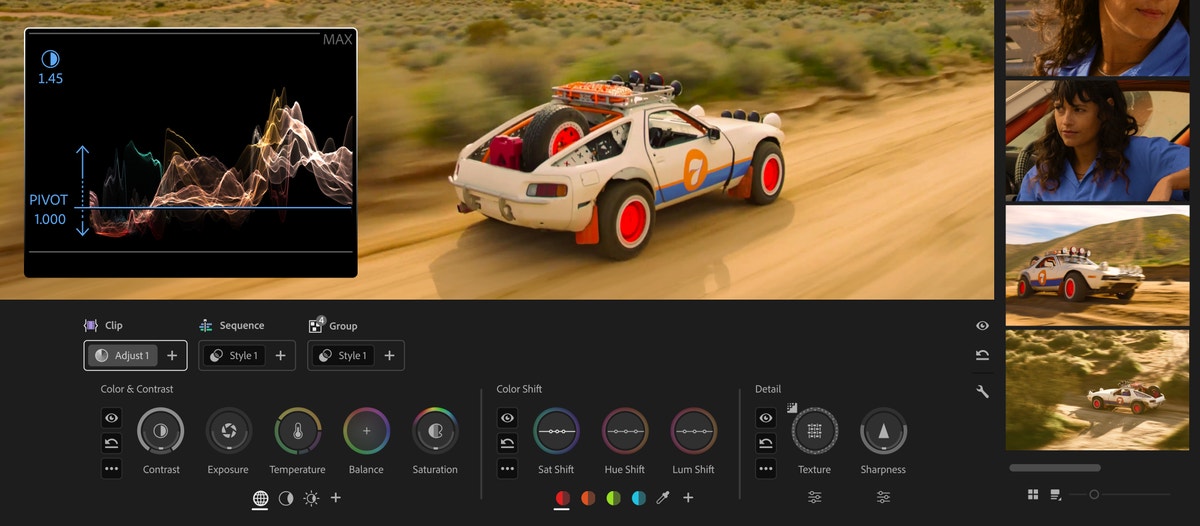
Adobe’s latest video update combines Firefly Video Editor upgrades, the new Premiere Color Mode beta, and Frame.io Drive for mounted project workflows.
Why it matters: when generation, cut, color, and collaboration stay connected, teams spend less time shuffling files and more time finishing publishable work.
Sources: Adobe video innovation announcement, Premiere What's New (26.2).
If this sounds powerful but your handoffs are still messy, the Content Creator Services workflow audit can help you turn tool updates into a repeatable operating system.
3) Sony is positioning authenticity metadata as part of routine field capture
Sony’s NAB 2026 product highlights emphasize authenticity-ready capture (PXW-Z300), metadata-preserving ingest via PWA‑RXS, and tighter camera-to-delivery connectivity.
Why it matters: trust signals and file integrity are becoming part of production value, especially for documentary, branded journalism, and fast-turn factual content.
Sources: Sony NAB 2026 product highlights, Sony NAB 2026 event page.
Teams formalizing camera, ingest, and publish responsibilities can use the One Day Content Creator Virtual Bootcamp to lock in roles before output volume scales.
4) Canon’s latest Cinema EOS firmware direction rewards gimbal-first operators
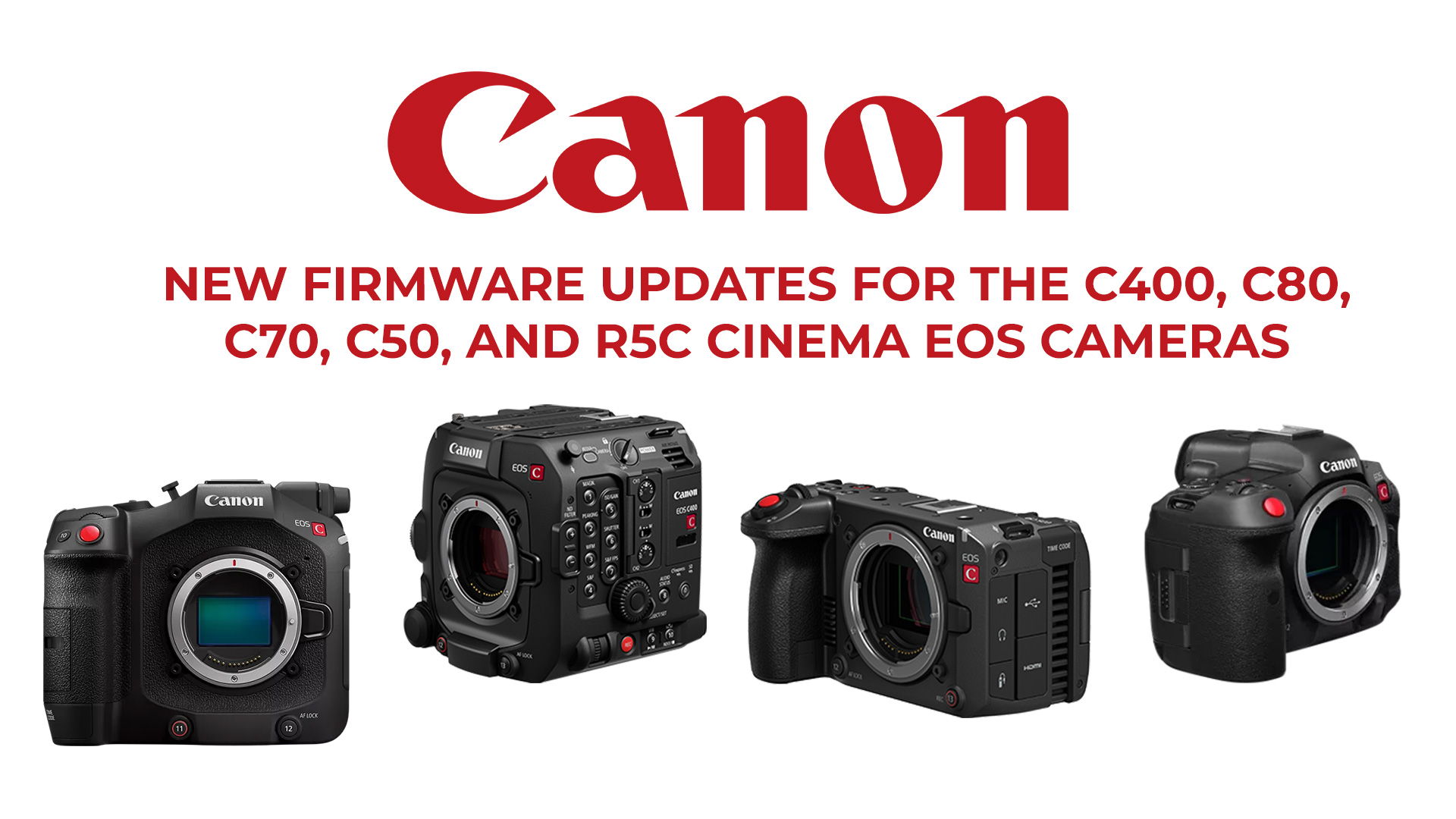
New Canon firmware details include USB-C gimbal control across multiple Cinema EOS bodies, auto exposure ramping compensation, and better streaming/playback continuity.
Why it matters: less menu-diving and smoother gimbal control means fewer setup delays and more usable takes during fast-moving shoots.
Sources: Newsshooter firmware breakdown, No Film School coverage.
If your team is increasing run-and-gun output, pairing cleaner capture with stronger post pacing using Nolan Cinematic Scores Music Pack can accelerate first-cut momentum.
What to Do Next
Choose one active project and run a truth-chain check: capture integrity, monitoring confidence, file handoff speed, and first-cut turnaround. Upgrade the first weak link in that chain before buying another camera body.
From the Tographer
A Tographer perspective on building creator workflows that scale without chaos.