Could Your Edit Stack Outperform Your Next Camera Upgrade?

Here’s the contrarian take: in 2026, creators who redesign their workflow stack are gaining more output than creators who keep rotating camera bodies. The biggest edge is shifting toward automation, shared control, and fewer handoff mistakes.
Trend Breakdown
1) Premiere Pro updates are pushing practical AI, not just flashy demos
Adobe’s 26.0 cycle and March release notes center on edits that shorten repeat work: AI-assisted object masking, faster masking workflows, and reliability fixes that matter when deadlines are tight.
Why it matters: Time saved on cleanup and revisions compounds across every deliverable. If your team edits often, a tighter post stack can outperform a hardware-only upgrade path.
Sources: Adobe Blog: New AI-powered video tools in Premiere Pro 26.0; What’s New in Premiere Pro (Desktop); Premiere Pro release notes.
If your edit process is still bottlenecked by inconsistent standards, Tographer’s Content Creator Services can help you build an actual post pipeline instead of patchwork fixes.

2) Multi-camera control is becoming software-defined, not operator-heavy
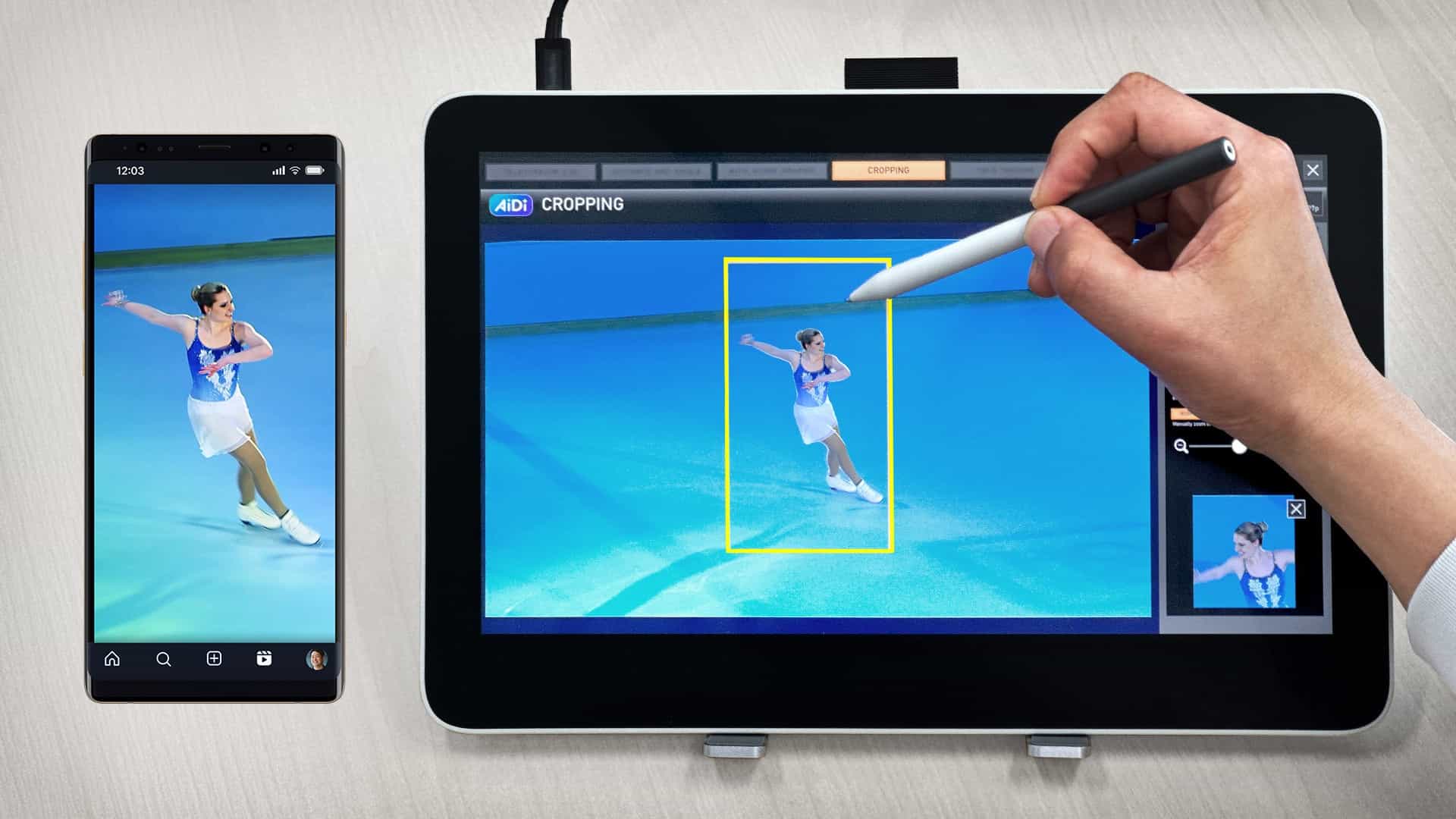
Panasonic’s new Image Adjust Pro plug-in (inside its Media Production Suite ecosystem) points to a broader shift: centralized look control across multiple cameras from a workstation or tablet.
Why it matters: Creators covering live events, podcasts, and multicam shoots can keep color and exposure more consistent without adding crew complexity.
Sources: Panasonic: Image Adjust Pro plug-in announcement.
If you’re rolling out multicam production and need tighter on-set coordination, Tographer’s 2-Day On-Site Content Intensive is aligned with this exact kind of real-world setup.

3) NAB 2026 positioning is favoring resilient IP workflows over single-tool ecosystems
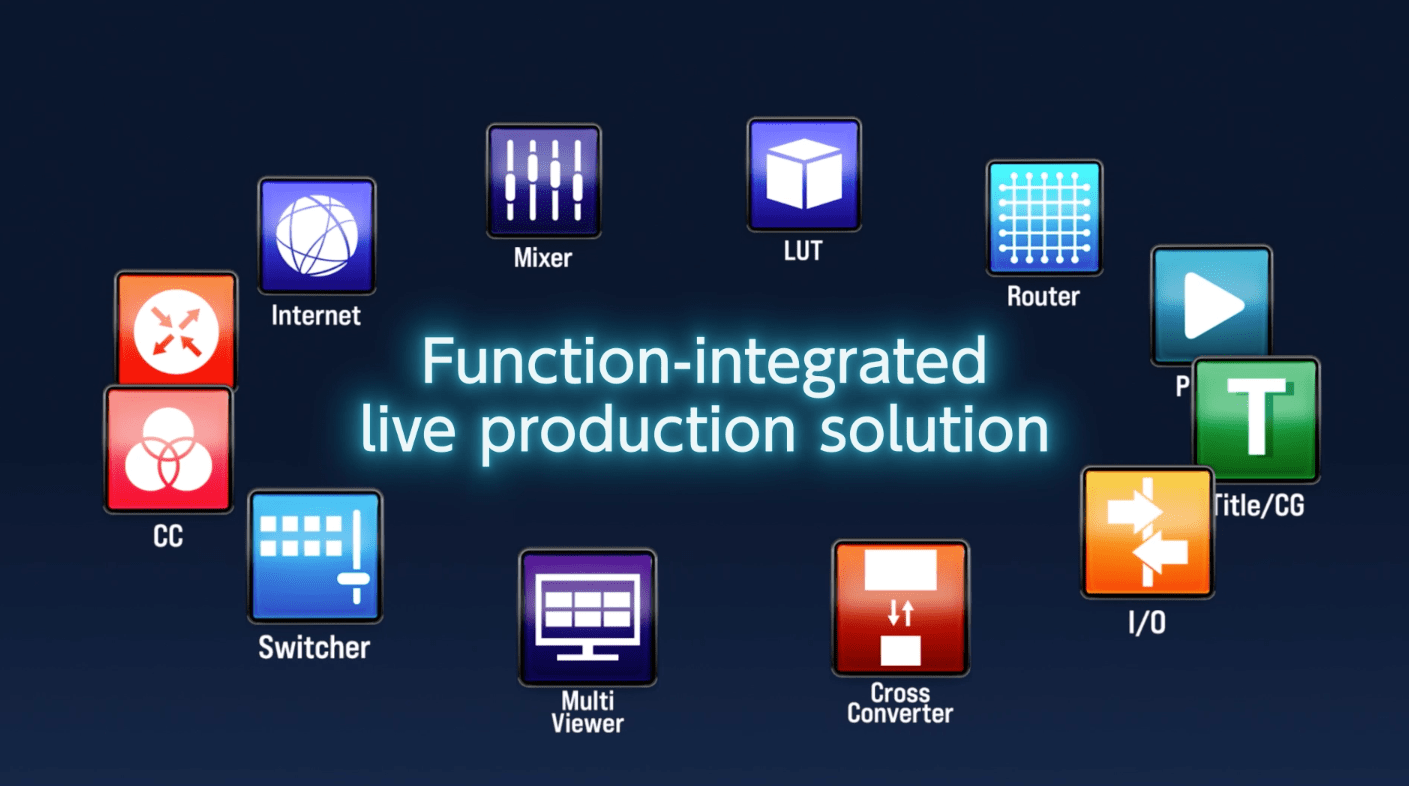
LiveU and FOR-A are both emphasizing software-defined, AI-enabled, IP-native production paths ahead of NAB 2026, while NAB’s own event framing highlights cloud and creator-economy operations as core themes.
Why it matters: The practical winner is usually the team that can route, review, and publish across mixed tools without brittle handoffs.
Sources: LiveU: LU900Q and NAB 2026 workflow priorities; FOR-A: software-defined, AI-powered NAB 2026 workflow release; NAB: 2026 show focus areas and program direction.
For creators trying to implement this without overengineering, Tographer’s One Day Content Creator Virtual Bootcamp can help convert trend noise into a usable operating plan.
What to Do Next
Audit one full project from ingest to publish. Mark every manual handoff, then automate or standardize the top two failure points first. You’ll usually gain more throughput there than from your next gear purchase.
From the Tographer
A practical walkthrough on organizing editing projects so turnaround time stays predictable as content volume grows.