The Fastest Creators Are Treating Post Like Production: 3 Videography Shifts to Act On

If your edit bay still starts after wrap, you are already behind. The strongest creator teams are redesigning post as a live production layer—where cut speed, review clarity, and update discipline are planned before camera roll.
Here are three practical shifts worth implementing now.
Trend Breakdown
1) NLEs are becoming decision engines, not just timeline tools
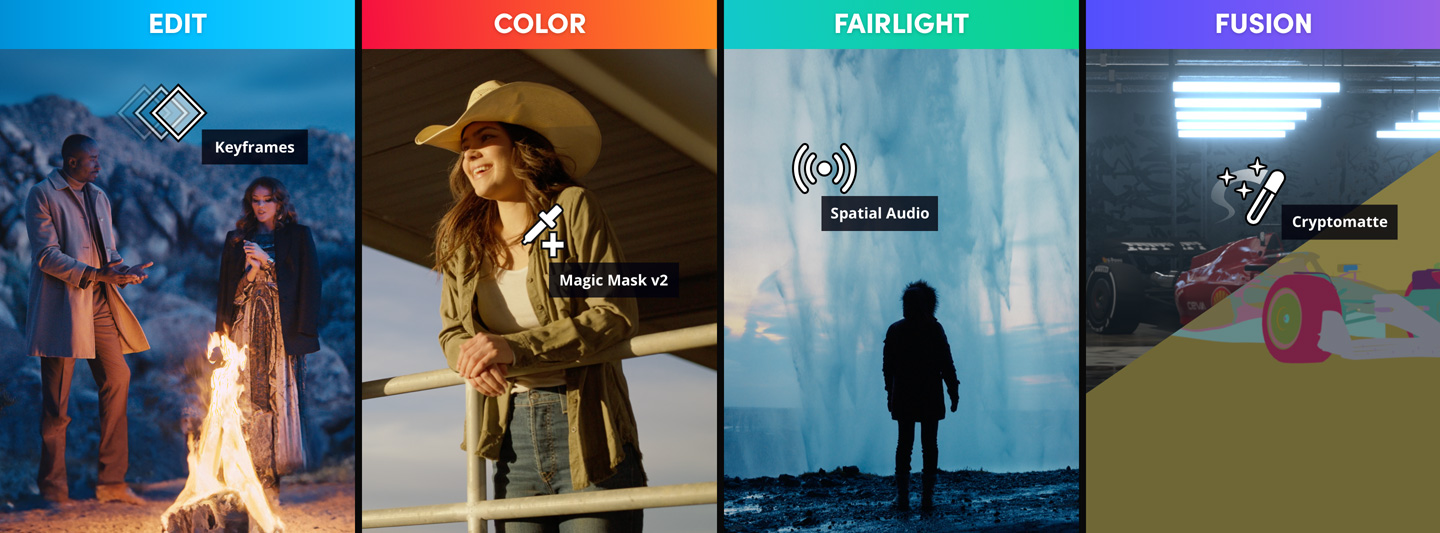
DaVinci Resolve 20’s rollout signaled a bigger change than "more features." The real story is that AI-assisted masking, search, and finishing tools are converging inside one environment, which reduces handoff drag between rough cut and delivery.
Why it matters: The teams gaining margin are not necessarily better shooters—they are better at collapsing decision latency. If the same editor can find, isolate, and finish faster without context switching, your publishing cadence gets more resilient.
Sources: Business Wire: Blackmagic Design Announces DaVinci Resolve 20; Blackmagic Support: DaVinci Resolve and Fusion downloads.
If your bottleneck is editorial decision speed rather than camera quality, a focused 1 Hour Virtual Consult can help you tighten handoffs without rebuilding your whole stack.
2) Review workflows are moving from comments to operational systems
Vimeo’s recent product updates and REFRAME announcements point to a broader trend: review and collaboration features are being tied directly to workspace governance, analytics, and publishing controls—not treated as bolt-on feedback threads.
Why it matters: For creators and small teams, the biggest time leak is often not editing—it is unclear approvals. When review happens inside structured workspaces with better visibility, projects stop stalling in waiting-for-notes limbo.
Sources: Vimeo Blog: What’s New (November 2025); Vimeo Blog: REFRAME 2025 product announcements.
If you need to standardize team collaboration and publishing cadence, the One Day Content Creator Virtual Bootcamp is a practical way to turn scattered feedback loops into a repeatable operating rhythm.
3) Firmware cadence is now part of your production reliability strategy
GoPro’s HERO firmware release cadence is a reminder that creator reliability increasingly depends on software maintenance, not just hardware choice. Creators who treat firmware, compatibility checks, and update timing as workflow tasks avoid painful failures during active projects.
Why it matters: The hidden cost in creator businesses is avoidable downtime. A simple update checklist and staged rollout habit can protect shoots, reduce troubleshooting hours, and keep client delivery predictable.
Sources: GoPro: HERO firmware update page; GoPro: Product updates hub.
If your content mix includes docs, explainers, or business storytelling, pairing technical reliability with cleaner sonic consistency using 38 Subtle Documentary Underscores can speed final delivery without overproducing your soundtrack.
What to Do Next
Choose one operational upgrade this week: run one edit fully inside your NLE’s newest assistive tools, define a single source of truth for approvals, and add firmware checks to your pre-shoot checklist.
From the Tographer
A practical breakdown from Tographer on making creator systems sustainable as production volume scales.