Is Your Camera Rig Slowing You Down? 4 Practical Workflow Moves Creators Are Making Right Now


If your footage quality is already good enough for clients, your next bottleneck is usually control, handoff, and speed under pressure. The most useful upgrades this week are less about chasing new look specs and more about removing friction between capture, review, and delivery.
Trend Breakdown
1) On-camera recorders are becoming full capture hubs, not just monitors
Atomos’ Ninja RAW launch signals a stronger push toward compact monitor-recorders that combine high-brightness monitoring, direct ProRes RAW capture, and USB-C workflow flexibility in one on-rig device.
Why it matters: For small teams, collapsing monitor + recorder + media flexibility into a single node can reduce setup complexity and speed up post ingest, especially when switching between controlled shoots and run-and-gun days.
Sources: Atomos: Ninja RAW announcement; Atomos Ninja RAW product page; No Film School: ATOMOSphere workflow analysis.
If you’re building a cleaner on-set-to-edit handoff, Tographer’s 1 Hour Virtual Consult is a fast way to audit your current rig decisions.

2) Gimbal ecosystems are being updated as software platforms, not just stabilizers
DJI’s January 2026 RS 4 and RS 4 Pro release-note cycle reinforces a pattern: motion rigs increasingly improve through app and firmware layers long after hardware purchase.
Why it matters: Teams that actively maintain firmware and app compatibility often get better shot reliability and faster operator transitions than teams that treat stabilization gear as set-and-forget.
Sources: DJI RS 4 downloads and release notes; DJI RS 4 Pro downloads and release notes; DJI RS 4 release notes PDF.
If your team keeps losing time to inconsistent setup behavior, the Content Consulting service can help standardize your pre-shoot checklist and role handoffs.
3) Cinema firmware roadmaps are now shaping 2026 shoot planning
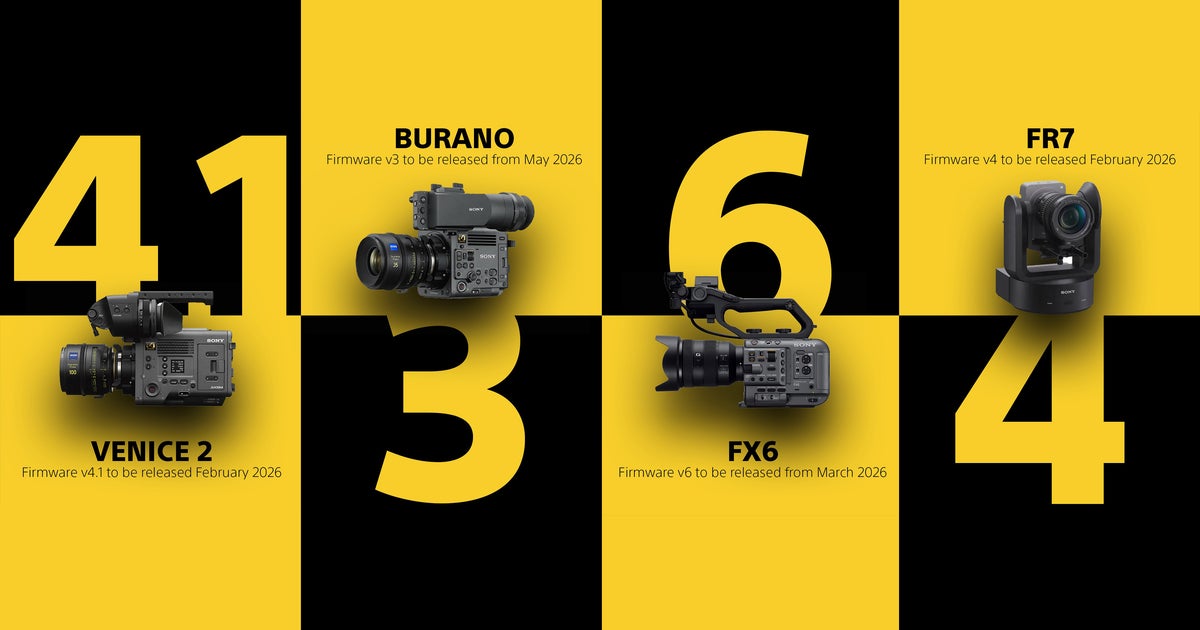
Sony’s Cinema Line roadmap details practical features arriving across VENICE 2, BURANO, FX6, and FR7, including BIG 6 interface changes, virtual production support, and format upgrades.
Why it matters: Firmware roadmaps now influence rental choices, camera package timing, and post pipeline decisions before a single day of principal photography starts.
Sources: Sony Cine: major firmware update overview; Sony VENICE 2 firmware roadmap; Sony BURANO firmware roadmap.
If you’re timing purchases around upcoming feature unlocks, Tographer’s One Day Content Creator Virtual Bootcamp can help turn that roadmap into an actual production plan.
4) Action-camera makers are telegraphing a higher-end push at NAB
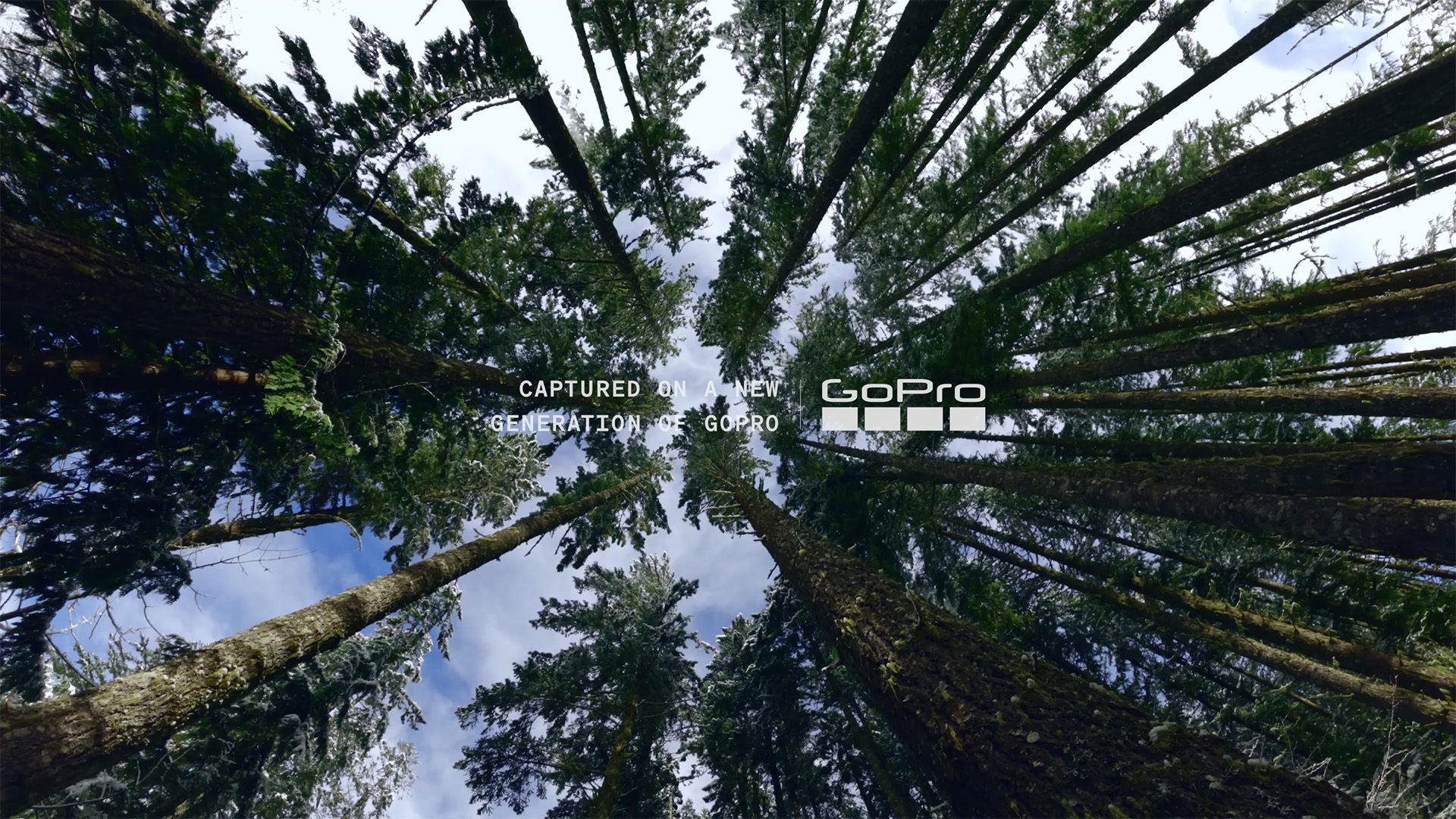
GoPro’s announced NAB positioning around a new generation of cameras and GP3 processing suggests the action-cam category is leaning harder into pro workflows and multi-camera production use cases.
Why it matters: For creators mixing POV, B-cam, and social cutdowns, action-cam upgrades can impact edit speed and intercut consistency as much as they impact image quality.
Sources: T3: GoPro NAB 2026 preview report; MarketScreener: GoPro announcement coverage.
What to Do Next
Pick one recurring format this week and run a failure rehearsal before production: battery swap, media handoff, remote review, and metadata organization. The team that survives chaos with a repeatable system usually wins turnaround.
From the Tographer
A useful conversation on practical creator workflow and how experienced shooters make better system decisions before they roll camera.