OBSBOT’s April Update Exposes the Real Creator Upgrade: Control Layers Over Camera Churn


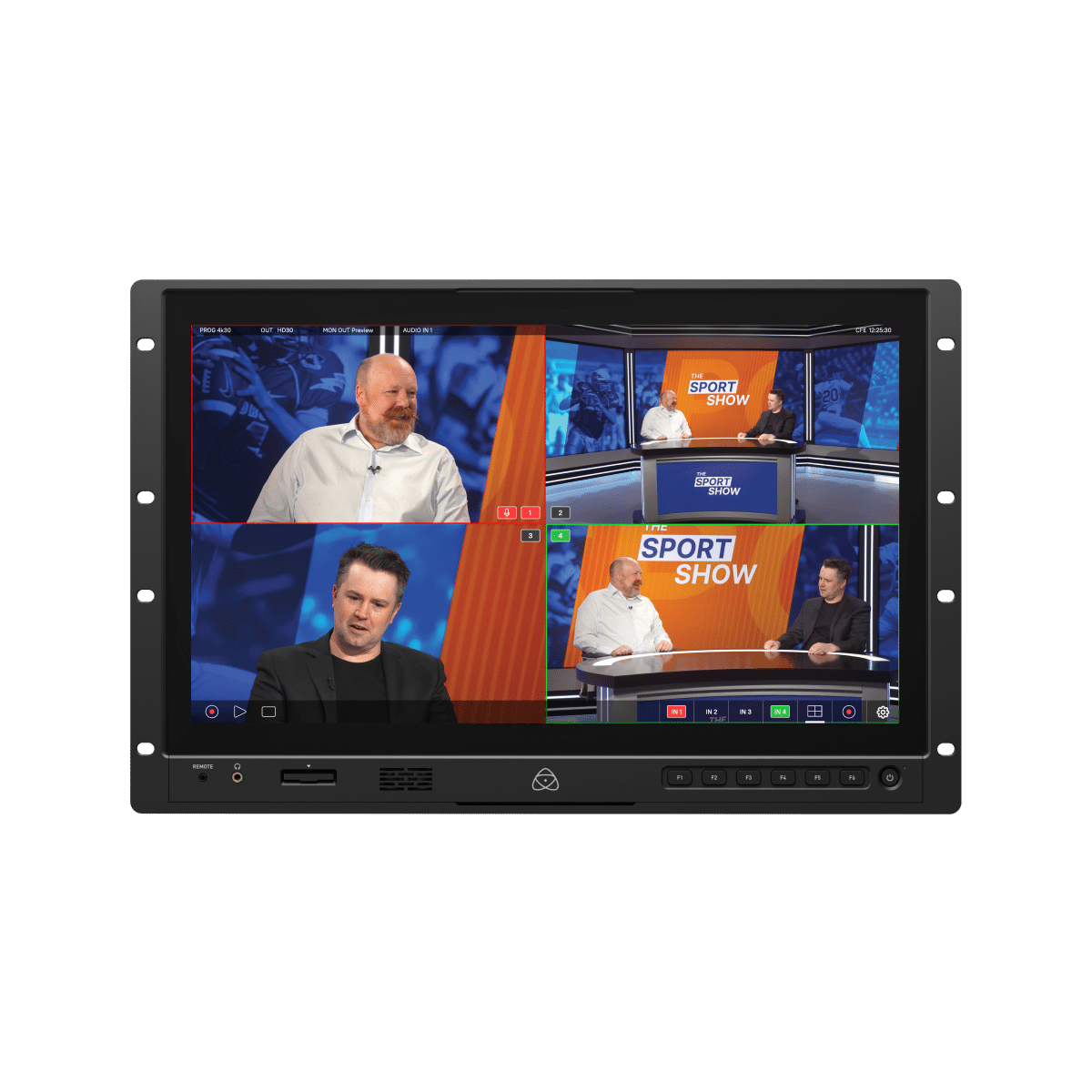
When OBSBOT shipped its April firmware/software stack, the interesting part wasn’t image quality hype—it was workflow control: automated mode switching, PiP overlays, loop recording, and tighter adapter compatibility. That same pattern is showing up across editing, review, and distribution tools: teams that move fastest are standardizing orchestration, not just swapping bodies.
Trend Breakdown
1) Capture tools are becoming mini control rooms
OBSBOT’s April update adds practical production features (PiP, overlays, loop recording, automation, and broader adapter/app compatibility) that reduce manual switching during solo or lean-team shoots.
Why it matters: if one operator can run more of the live stack without fragile workarounds, your shoot day becomes less error-prone and easier to repeat.
Sources: OBSBOT April Firmware & Software Update; OBSBOT Tiny 3 Series launch details.
If your setup still depends on “one person who knows all the buttons,” a One Day Content Creator Virtual Bootcamp can help document and standardize your team’s camera-control workflow.

2) AI video pipelines are shifting from after-the-fact to inline analysis
Eluvio’s EVIE announcement pushes a zero-copy, frame-accurate approach where analysis, metadata, and derivative outputs happen inside the media pipeline instead of in separate export-heavy stages.
Why it matters: fewer duplicate transcodes and handoffs means less turnaround drag between ingest, highlights, and publish-ready outputs.
Sources: Eluvio EVIE NAB 2026 release.
For teams trying to tighten edit-to-delivery latency, a 2-Day On-Site Content Intensive can pressure-test your handoffs against real production constraints.
3) Cloud collaboration is now expected even for small post teams
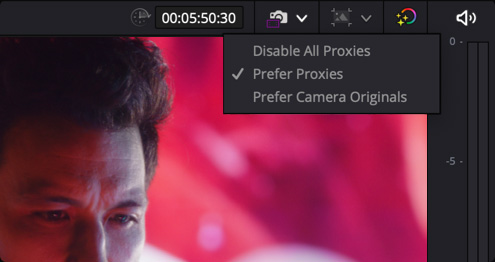
DaVinci Resolve 20’s cloud collaboration direction (shared projects, cloud folders, URL presentations, and faster proxy/camera sync workflows) shows how quickly distributed post is becoming default.
Why it matters: the faster reviewers can access cuts and leave decisions in-context, the faster your team closes loops instead of trading version chaos.
Sources: DaVinci Resolve — What’s New; Blackmagic Support/updates.
4) Review and distribution platforms are converging with production tooling
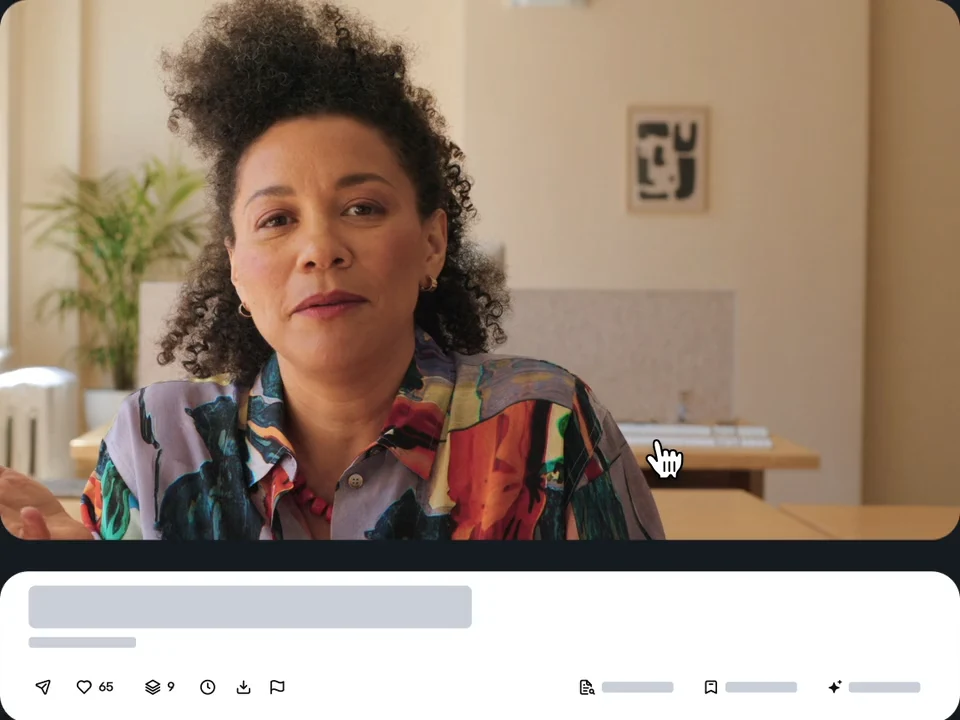
Vimeo’s January 2026 updates (expanded aspect ratios, 4K recording, Google Meet auto-upload, and tighter embed controls) point toward a unified stack where capture, review, and governance live closer together.
Why it matters: when review and publishing controls are integrated upstream, teams spend less time repackaging the same video for every endpoint.
Sources: What’s New at Vimeo: January 2026; A Look Ahead at Vimeo in 2026 & Beyond.
If your team is still improvising delivery standards channel by channel, a focused 1 Hour Virtual Consult can help you define one repeatable review/publish path.
What to Do Next
Pick one live project and map every manual handoff between capture and publish. If a handoff exists only because two tools don’t talk to each other, fix that before buying new gear.
From the Tographer
A practical Tographer breakdown relevant to streamlined creator workflows.