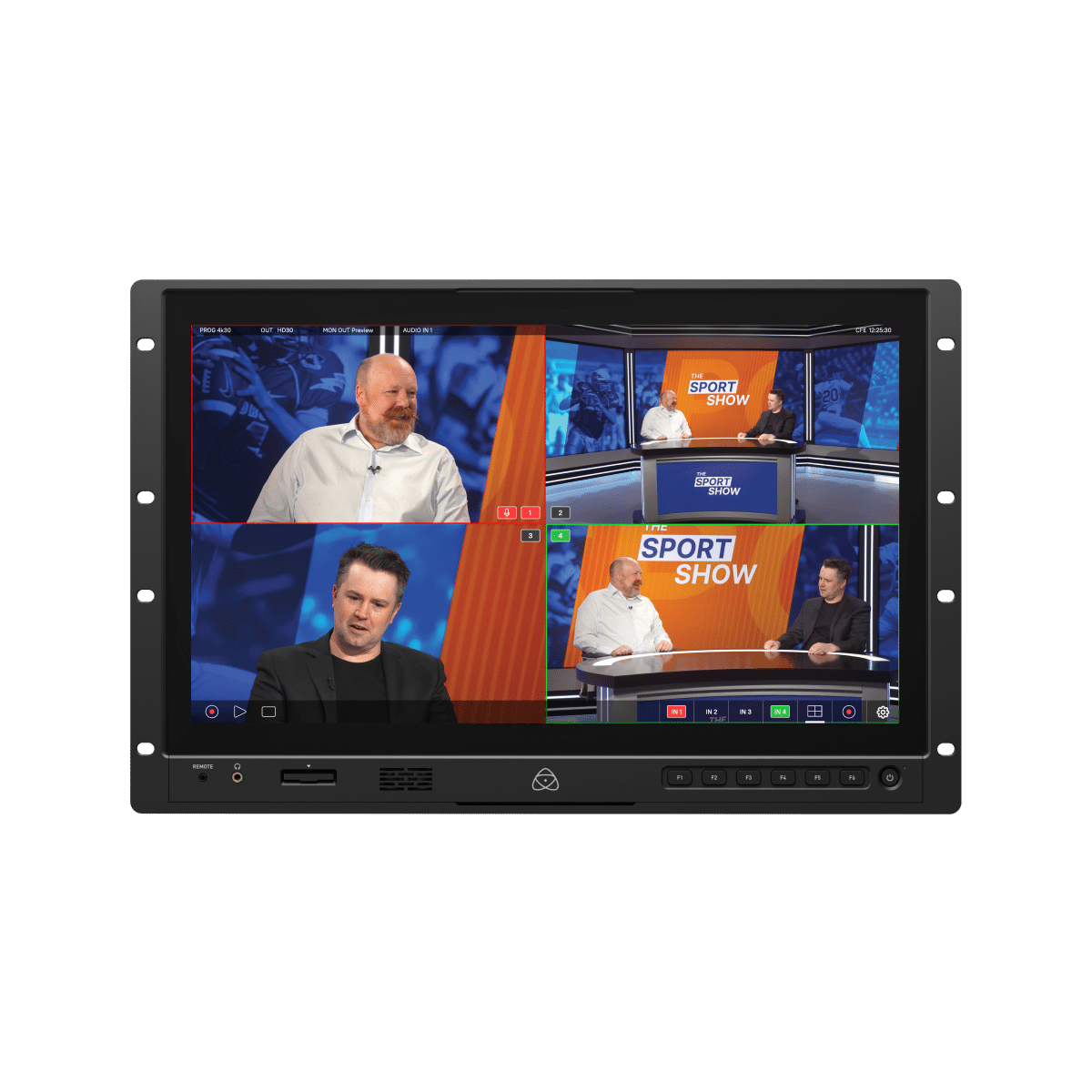
Prediction: Creator Rigs Will Be Graded on Recovery Time, Not Resolution


The next gear flex won’t be image sharpness—it’ll be how fast your production recovers when signal, color, or routing breaks mid-session. The strongest announcements right now point toward systems that minimize interruptions and keep small teams moving.
Trend Breakdown
1) PTZ and studio camera control is shifting toward centralized remote color + status operations
Panasonic’s NAB stack puts Image Adjust Pro at the center of multi-camera management, with remote monitoring/adjustment and tighter integration with PTZ and studio workflows.
Why it matters: creator teams covering live events, podcasts, and hybrid shoots can spend less time physically touching camera positions and more time managing consistency from one control point.
Sources: Panasonic NAB 2026 announcement, Panasonic AW-UE5 product page.
If you’re trying to standardize multi-camera setups across different locations, a One Day Content Creator Virtual Bootcamp is a practical way to lock in repeatable pre-shoot and live-switching routines.

2) Color confidence is becoming part of workflow infrastructure, not a post-only concern
ASUS is positioning Premiere-validated ProArt displays and creator hardware as one continuous path from capture to delivery, including HDR-focused review environments.
Why it matters: when monitoring confidence is built into the pipeline, teams reduce revision loops caused by mismatched display assumptions between edit bay, client review, and final export.
Sources: ASUS NAB 2026 creator workflow release, ASUS ProArt display lineup.
If your edits keep drifting between devices, LUMIX LOG2LOG Conversion LUTs can help tighten visual consistency before delivery.
3) Browser-based production orchestration is moving into mainstream live pipelines
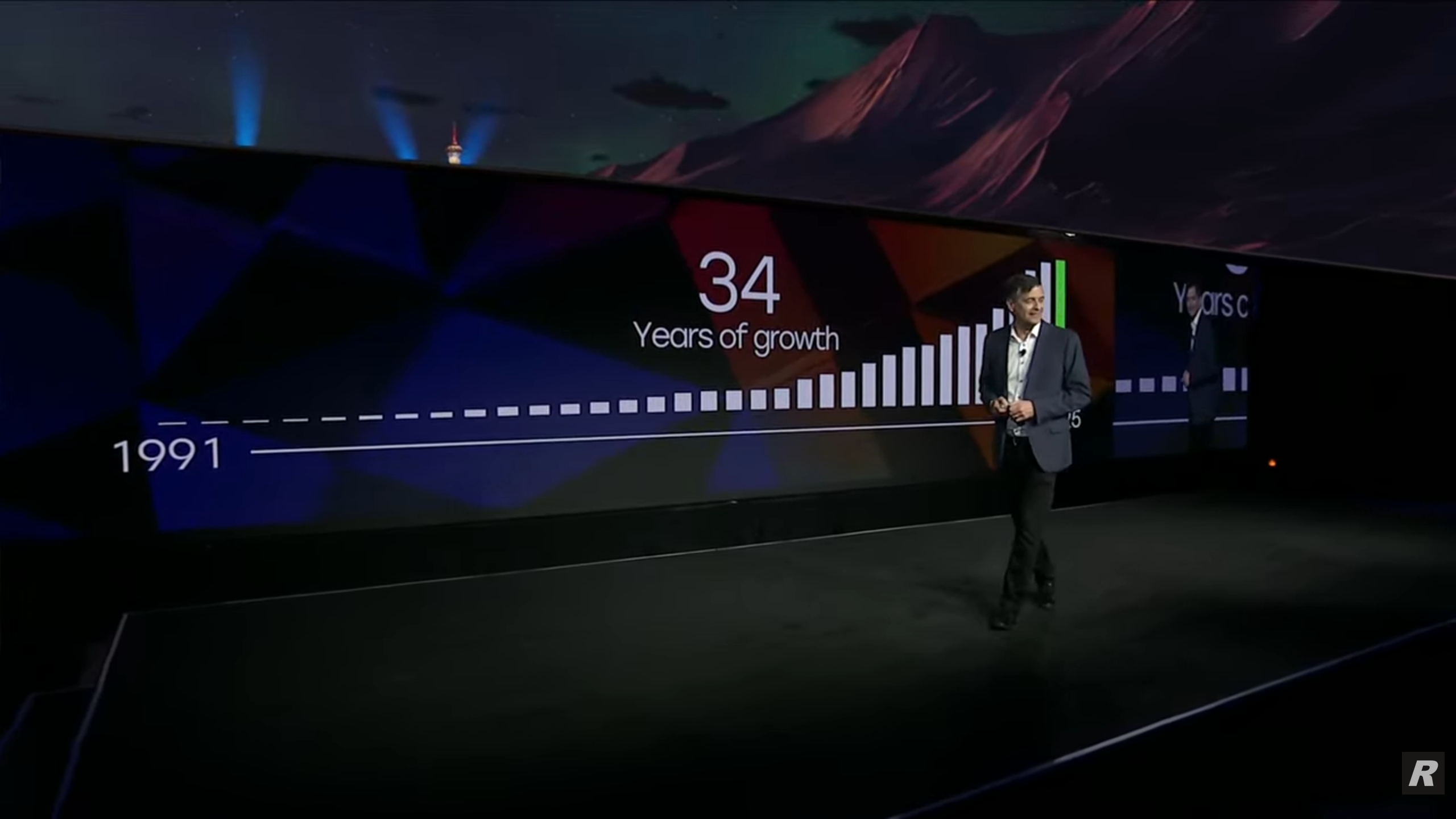
Ross Video’s Indigo push and broader ecosystem updates emphasize browser-native ingest, routing, and playout logic designed for faster-turn digital production.
Why it matters: crews can scale faster across contributors and formats when core production controls are unified and less dependent on fragmented point tools.
Sources: TV Tech on Ross Video’s NAB 2026 ecosystem, Ross Video NAB 2026 event page, NAB Show 2026 wrap-up release.
If your team needs a fast workflow reset before scaling output, a 1 Hour Virtual Consult can help identify the biggest handoff bottleneck first.
What to Do Next
Pick one live or near-live workflow and run a recovery-time audit: camera control changeover, color correction pass, and ingest-to-publish handoff. Measure where minutes are lost, then fix the single slowest checkpoint first.
From the Tographer
A practical Tographer walkthrough of a modern autonomous multicam workflow.