Prediction: The Smartest NAB 2026 Upgrades Will Hide the Tech, Not Add More Gear

Most creator teams won’t win 2026 by adding another camera body—they’ll win by removing fragile handoffs between capture, switching, and delivery.
Trend Breakdown
1) AI camera control is moving from “nice demo” to daily production utility
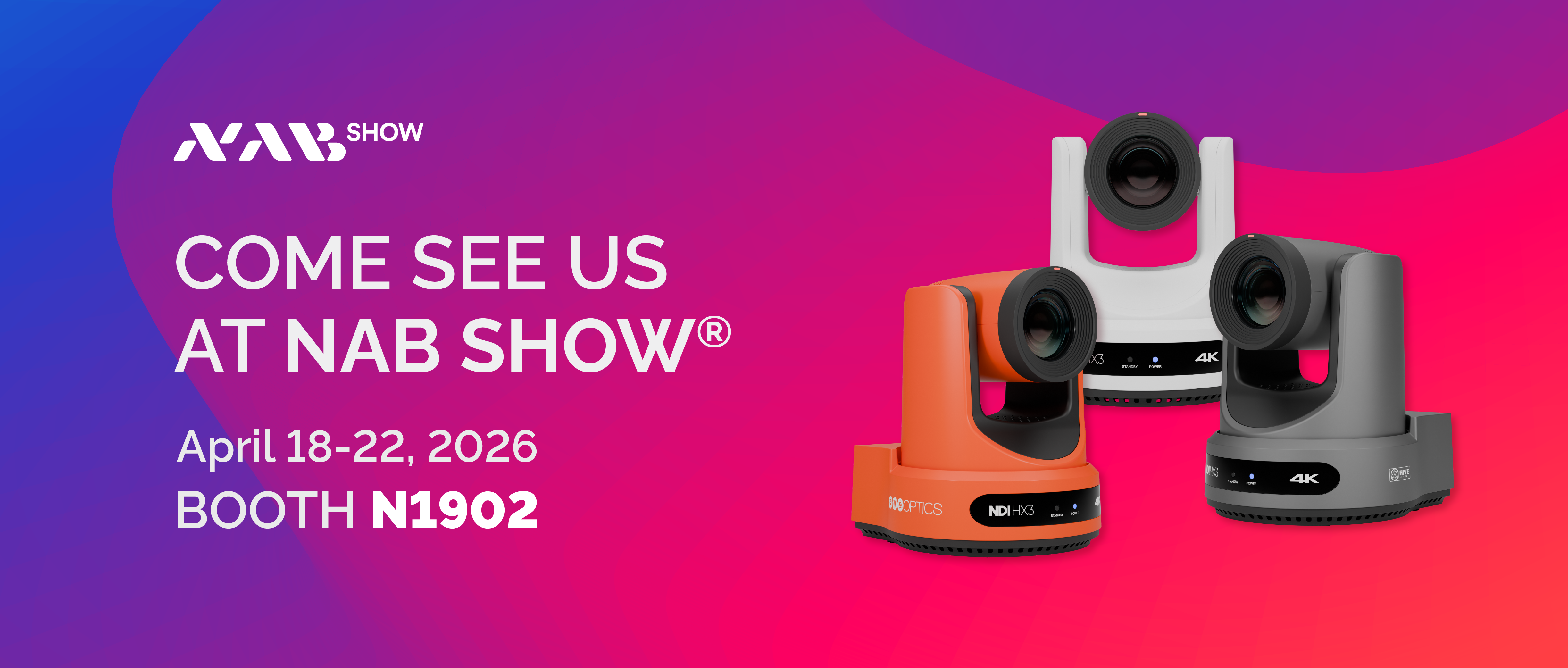
PTZOptics is pushing a workflow where camera movement and operator intent are tightly linked through web-based control and intelligent automation, instead of requiring constant manual correction on live days.
Why it matters: if one person can reliably run more angles without quality dips, small teams can ship higher production value on the same staffing.
Sources: PTZOptics NAB 2026 announcement; Viltrox NAB 2026 announcement.
If your live setup still depends on operator improvisation, a focused 1 Hour Virtual Consult can help you standardize camera-control playbooks before your next event.

2) Software-defined production is becoming the core architecture decision
Matrox is framing NAB around a software-defined model where signal paths, processing, and deployment are treated like adaptable infrastructure rather than fixed hardware islands.
Why it matters: teams that build flexible routing and processing now can scale faster across client formats without expensive rebuilds every quarter.
Sources: Matrox official NAB 2026 release; Commercial Integrator coverage.
For teams redesigning capture-to-edit handoffs, Tographer’s One Day Content Creator Virtual Bootcamp is built for this exact systems-level planning.

3) Hybrid production stacks are being sold on simplicity, not feature count
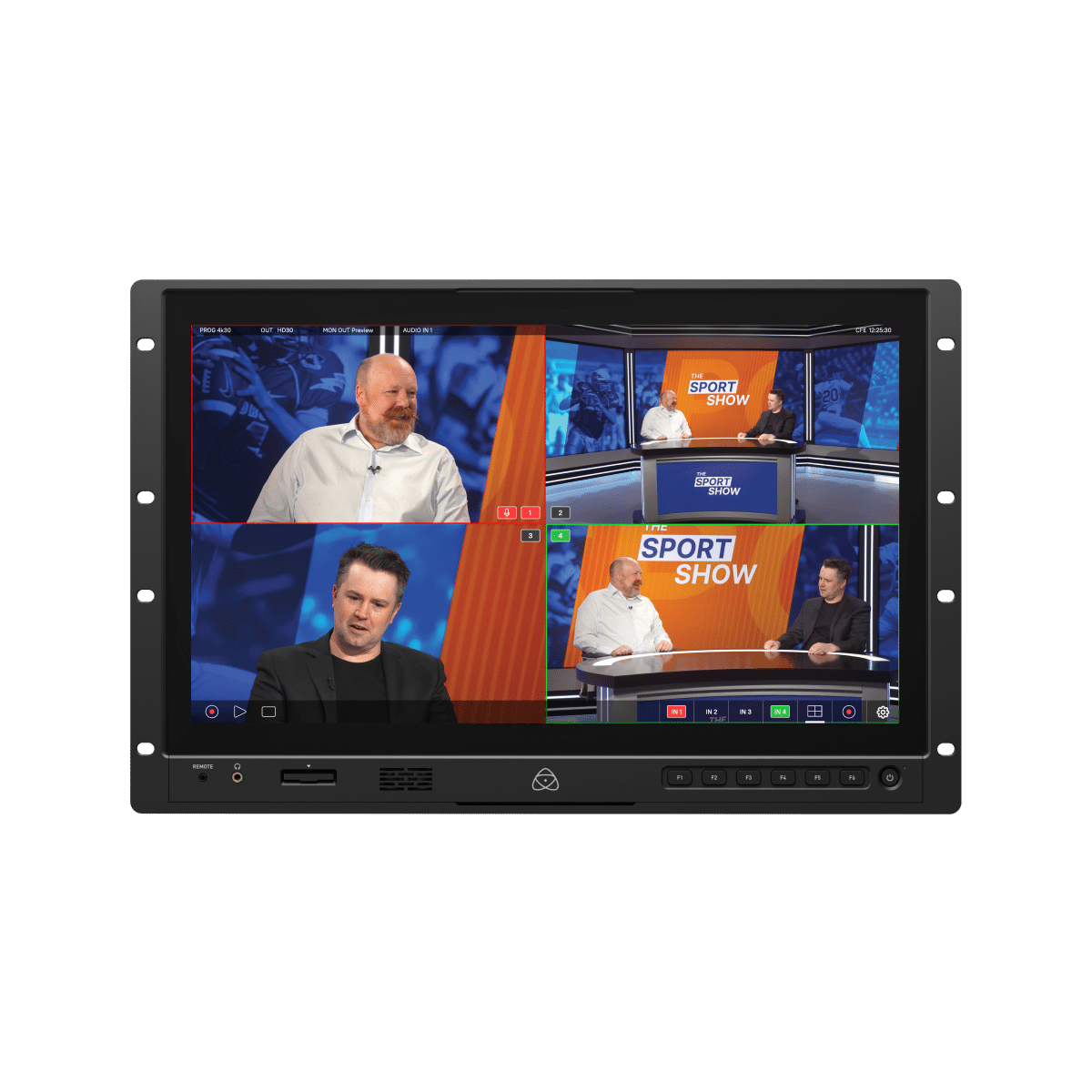
QuickLink’s StudioPro pitch is less about “more outputs” and more about reducing the friction of combining SDI, NDI, and ST 2110 workflows in one practical environment.
Why it matters: every avoided conversion step means fewer failure points, cleaner troubleshooting, and faster turnaround under deadline pressure.
Sources: QuickLink StudioPro product page; Commercial Integrator NAB 2026 report.
If your team is balancing hybrid standards without a stable operating model, Tographer’s 2-Day On-Site Content Intensive can map and stress-test your full production chain.
What to Do Next
Pick one upcoming shoot and run a “single operator” simulation: camera control, switching, record, and first delivery. Document where the process breaks, then fix those exact points before buying more hardware.
From the Tographer
A practical look at simplifying live video workflows and reducing technical handoff friction.