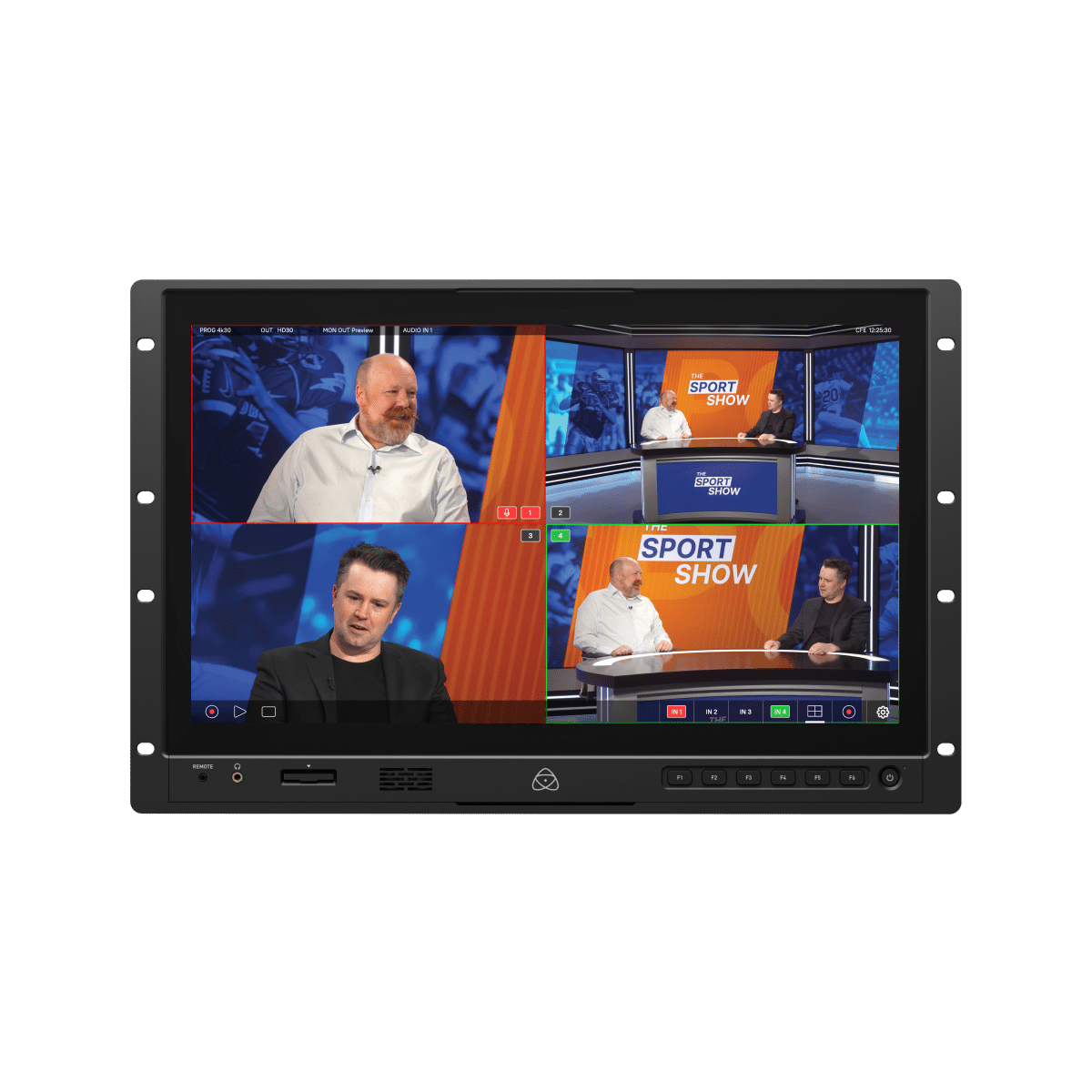
Stop Chasing Camera Specs: 4 Workflow Moves That Actually Cut Production Risk

If your productions keep stalling between capture and delivery, another camera body is usually the most expensive way to avoid the real issue. This week’s strongest signals point to a different advantage: rigs that recover quickly, route cleanly, and simplify operator decisions under pressure.
Trend Breakdown
1) Integrated video+audio control is becoming the default for small teams
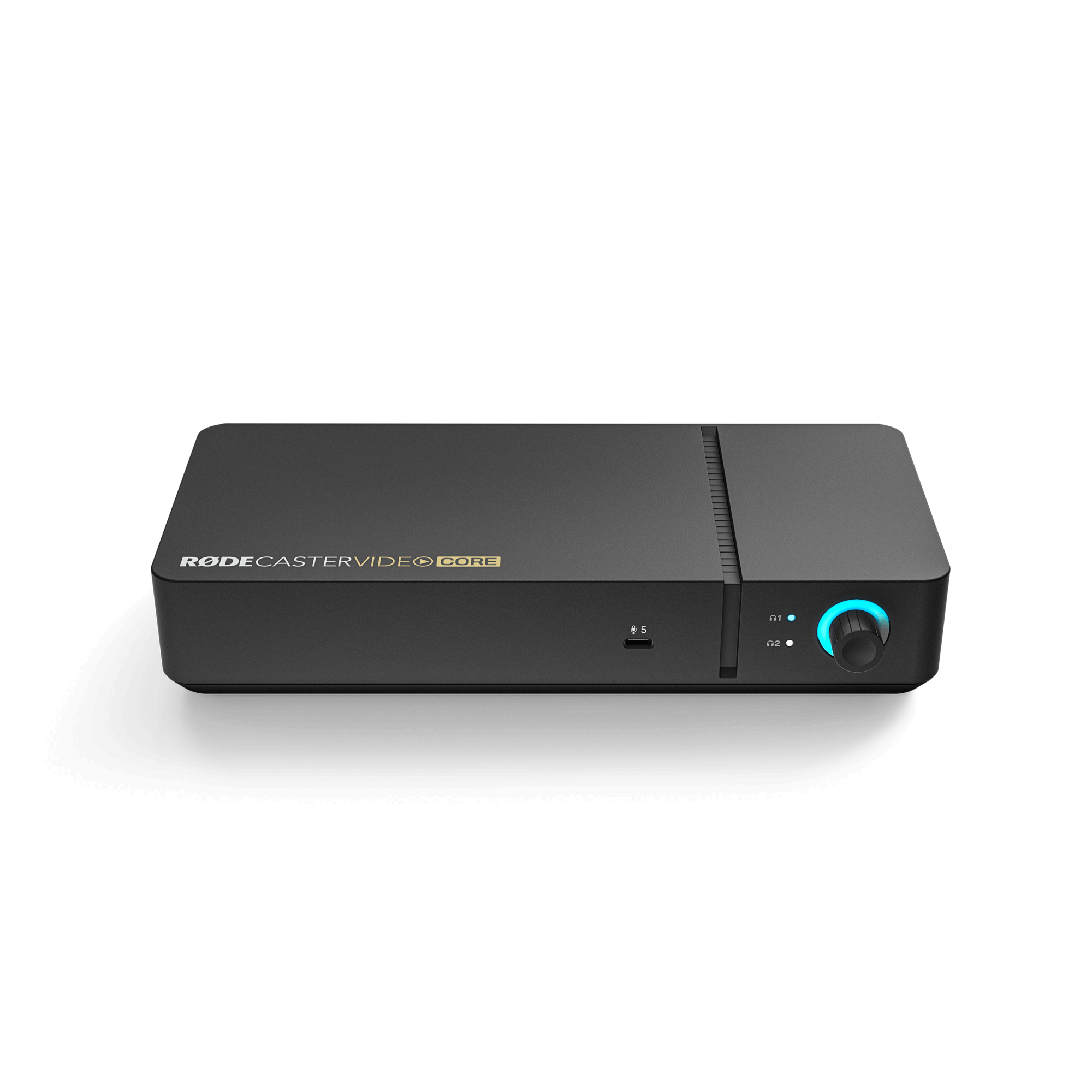
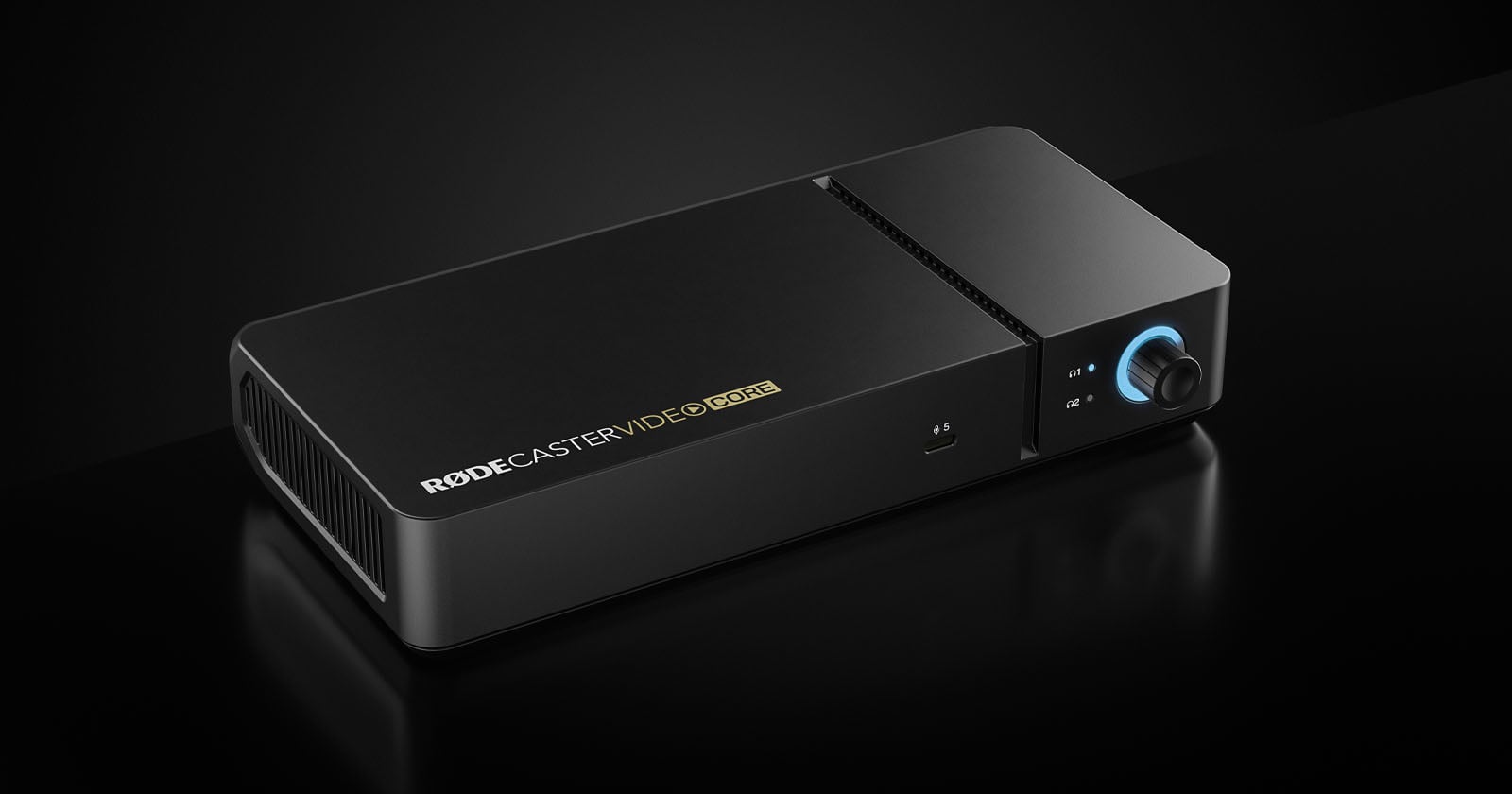
RODE’s new Video Core pushes a compact, software-led control model where switching, audio routing, and production logic are treated as one stack rather than separate devices.
Why it matters: smaller teams can reduce setup friction and handoff errors when core control happens in one place.
Sources: RODECaster Video Core product page, PetaPixel coverage.
If you’re redesigning your desk workflow around fewer boxes, this One-Day Content Creator Virtual Bootcamp is a practical way to map an end-to-end creator setup before you buy more gear.
2) Signal redundancy is moving from broadcast luxury to creator necessity
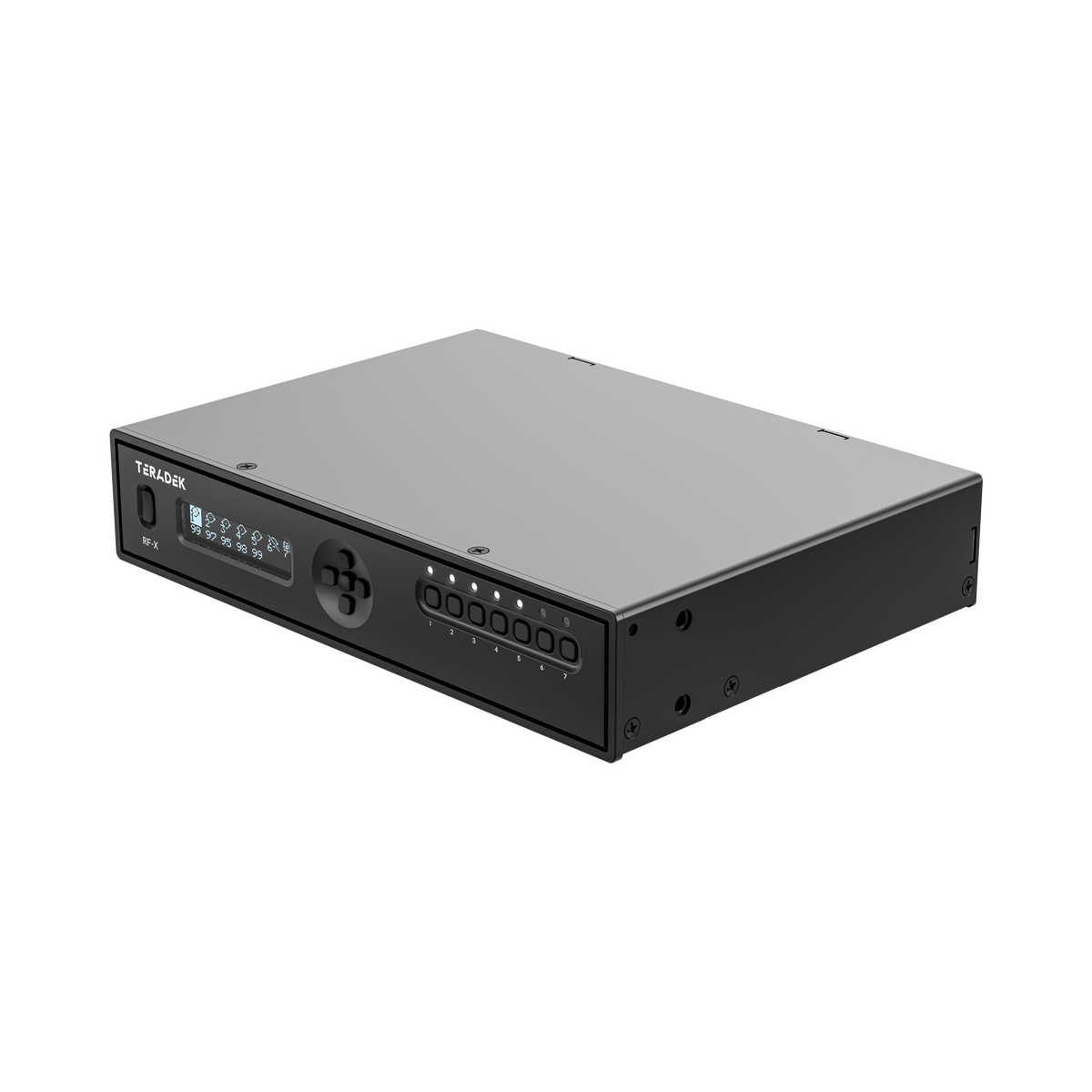
Teradek’s RF-X framing focuses on automatic receiver-path switching, built to keep monitoring and downstream feeds alive when wireless conditions degrade.
Why it matters: this is less about image quality and more about operational continuity—especially on mobile, event, and run-and-gun sets where interruptions wreck schedules.
Sources: Teradek RF-X official page, ASC announcement report.
For teams that need cleaner on-set roles and fallback plans, the 2-Day On-Site Content Intensive is well-matched to building real-world redundancy SOPs.
3) Virtual-production speed is becoming a measurable competitive edge
Stage Precision’s NAB updates emphasize faster camera calibration and tighter virtual-production orchestration, signaling that iteration speed is now part of creative quality.
Why it matters: when technical setup cycles shrink, teams get more real creative attempts per shooting day instead of burning time on reconfiguration.
Sources: Stage Precision NAB 2026 update, Digital Camera World on remote-control firmware direction.
If you want help turning these changes into a consistent production system, Content Consulting can help prioritize the highest-leverage workflow upgrades.
What to Do Next
Run a two-shoot experiment: keep your current camera package, but apply one integrated control change, one redundancy change, and one setup-speed improvement. Track setup time, interruptions, and total edit-start delay before making your next gear purchase.
From the Tographer
A practical Tographer take on making creator workflow upgrades that actually hold up under real production pressure.