Stop Chasing New Bodies: 4 Workflow Shifts Creators Can Use This Week

Most creator teams aren’t losing time because their camera is too old. They’re losing it in review loops, handoffs, and patchwork toolchains that force avoidable rework.
Trend Breakdown
1) Vimeo is leaning harder into review and library automation
Vimeo’s January 2026 update and ongoing product updates emphasize practical execution improvements: review workflow upgrades, faster asset handling, and more automation paths for teams managing lots of video variants.
Why it matters: If approvals and retrieval are messy, your publish cadence slows down no matter how good your footage is. Cleaner review operations usually beat marginal image-quality gains.
Sources: Vimeo: What’s New (January 2026); Vimeo Product Updates.
If your team keeps getting stuck between edit and publish, Tographer’s Content Creator Services can help you build a repeatable review/publish rhythm.

2) Blackmagic keeps pushing proxy-first cloud collaboration deeper into post
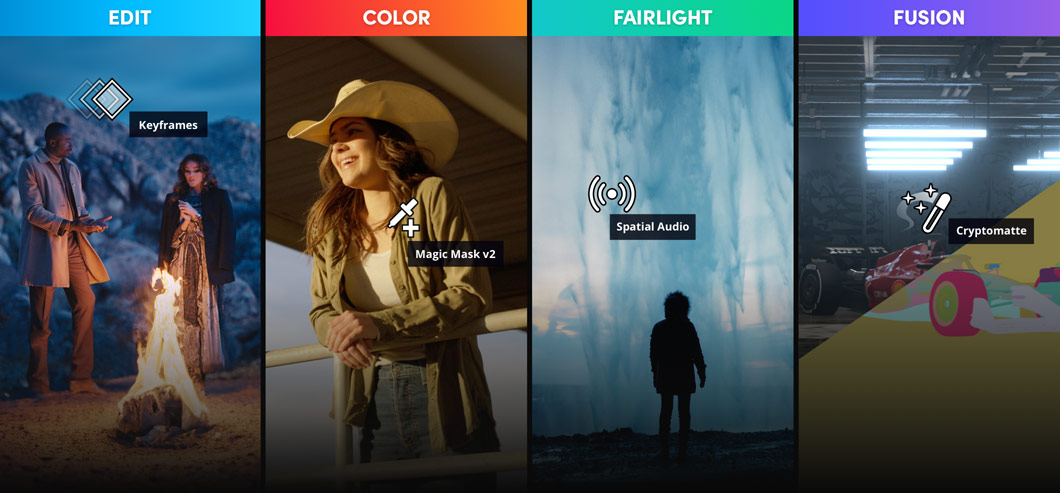
Blackmagic’s DaVinci Resolve “What’s New” stack highlights cloud folders, URL-based presentations, proxy generation, and camera sync workflows designed to reduce turnaround time across distributed teams.
Why it matters: Teams that can hand off proxies early, review asynchronously, and relink to originals later can ship faster without compromising finishing quality.
Sources: DaVinci Resolve – What’s New.
If you’re trying to standardize color and cross-camera consistency while moving faster, Tographer’s LUMIX LOG2LOG Conversion LUTs are useful for cleaner matching during fast-turn edits.
3) NAB messaging is shifting from new gear to deployable IP workflows
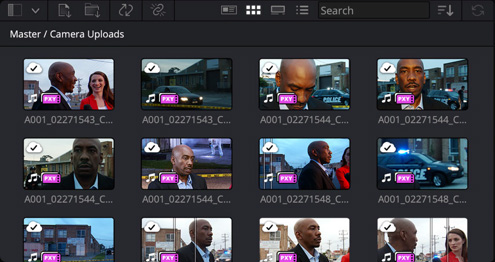
Cobalt’s NAB 2026 preview and broader industry coverage point toward a practical shift: more vendors are positioning around IPMX-ready, software-defined systems that can scale across modern live-production environments.
Why it matters: For creators and production teams moving between recorded, live, and hybrid formats, standards-based interoperability increasingly determines how quickly you can launch new formats.
Sources: Cobalt at NAB 2026: IPMX lineup; Sports Video Group: software-defined NAB workflow trend.
For teams who want hands-on implementation (not theory), Tographer’s 2-Day On-Site Content Intensive is built for workflow setup and team training in real production conditions.

4) Audio control is becoming more centralized across creator rigs
RØDE’s March 2026 release notes for RØDE Central and RØDECaster updates focus on live metering, firmware management flexibility, and tighter control integration across compatible devices.
Why it matters: Audio friction still kills delivery speed. Better centralized control means fewer troubleshooting pauses and cleaner capture consistency across shoots.
Sources: RØDE Central Software Release Notes; RØDECaster Pro II / DUO Firmware Release Notes.
What to Do Next
Pick one bottleneck from each layer this week: review, post pipeline, live/infrastructure, and audio control. Assign an owner and a single measurable fix for each before your next publish cycle.
From the Tographer
A practical breakdown on why open-gate thinking can improve flexibility across modern creator workflows.