Stop Chasing New Cameras: The Real 2026 Advantage Is Handshake-Speed Workflow


Most creator teams are not losing because their footage looks bad—they’re losing because camera, comms, and editorial systems still don’t handshake fast enough when decisions change mid-production.
Trend Breakdown
1) Camera-to-cloud is shifting from convenience feature to decision layer
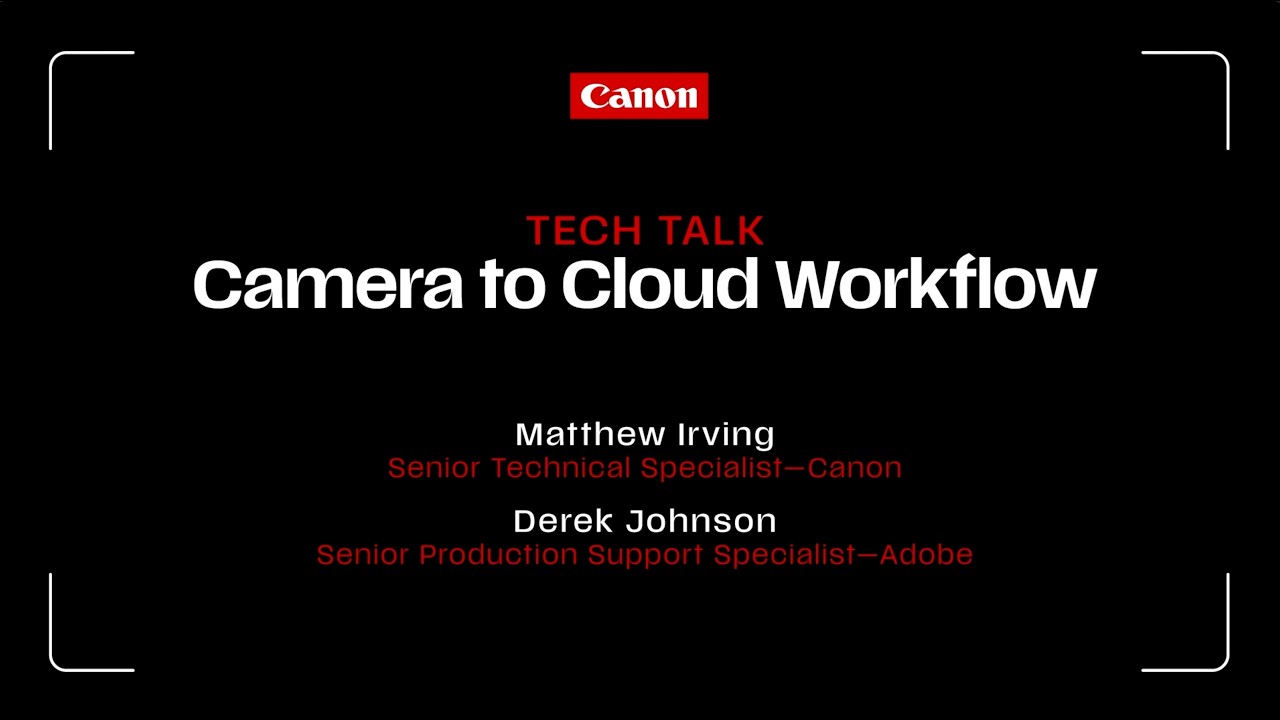
Canon’s Sundance technical breakdown showed how camera-to-cloud is being used as a practical production relay, not just a file transfer trick. Teams are pushing proxy footage and approvals earlier so edits and pickups happen while production momentum is still alive.
Why it matters: If approvals move earlier, reshoots and late-stage confusion drop. For small teams, that can be the difference between publishing on schedule and missing the content window.
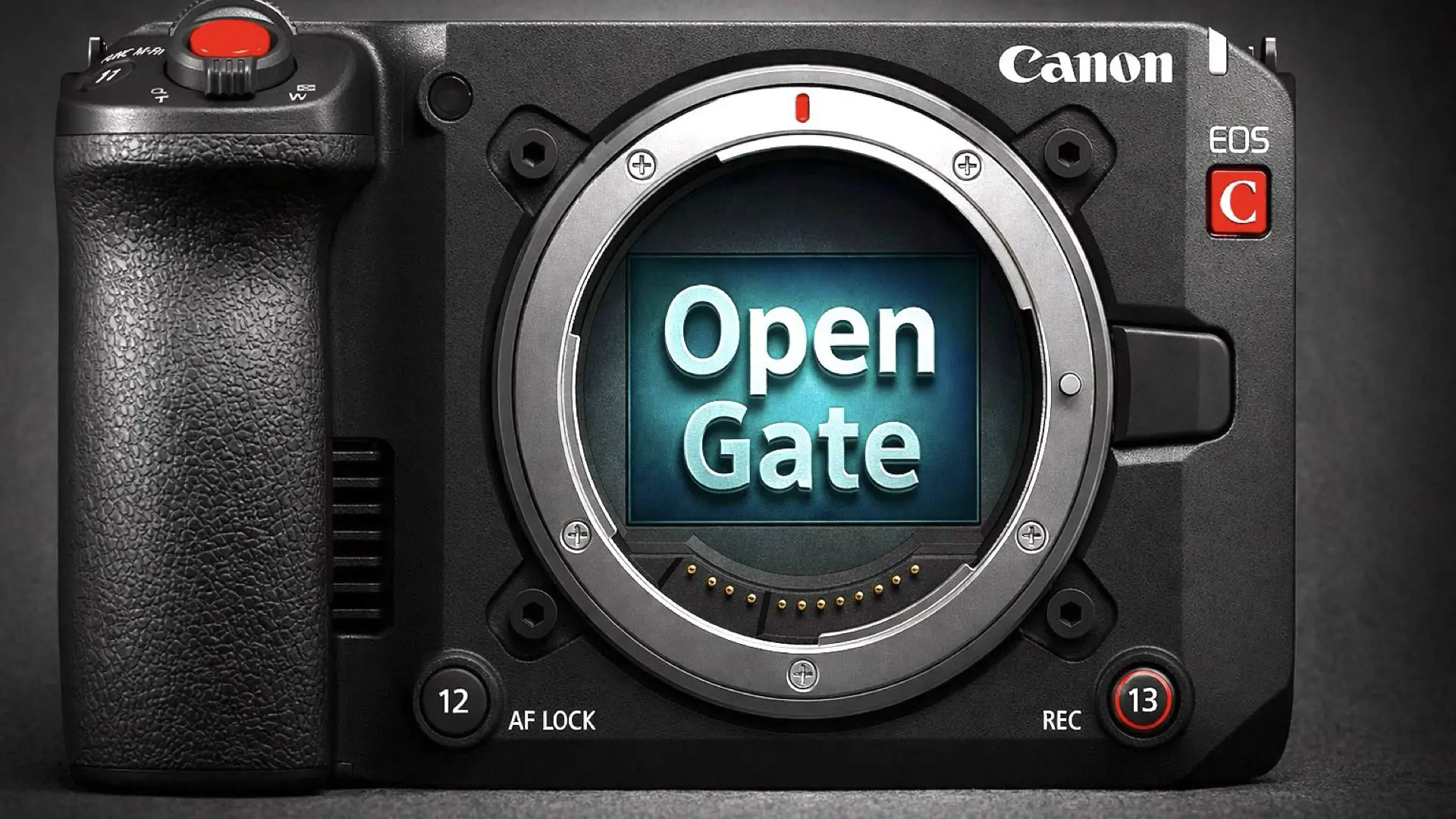
Sources: Newsshooter: Canon Sundance 2026 Camera-to-Cloud workflow talk; Y.M.Cinema: Canon Open Gate workflow implications.
If your team keeps stalling between shoot and edit, Tographer’s Content Creator Services can help you define a tighter handoff model for capture, review, and publish.
2) Unified creator consoles are replacing fragmented audio/video control stacks
RØDE’s new RØDECaster Video Core positioning is clear: creators want a single control environment where switching, streaming, and audio routing happen together instead of across disconnected tools.
Why it matters: Every extra control surface introduces delay, operator error, and setup drift. Unified control reduces cognitive load, which helps solo creators and lean teams ship consistently.
Sources: audioXpress: RØDECaster Video Core and Sync launch details; RØDE official site.
If your studio keeps adding complexity every quarter, Tographer’s One Day Content Creator Virtual Bootcamp is a practical way to simplify your stack before growth adds more friction.
3) Communications infrastructure is becoming a creative throughput lever
Clear-Com’s NAB preview underscores a bigger shift: comms is no longer just technical support. It is becoming a core production-speed system that determines whether distributed teams can execute quickly and cleanly under pressure.
Why it matters: As shoots spread across remote operators, virtual contributors, and hybrid control rooms, communication reliability directly affects shot cadence, correction speed, and final delivery quality.
Sources: FOH: NAB 2026 Clear-Com preview; Clear-Com official site.
For creator teams juggling remote contributors and on-site production, Tographer’s 1 Hour Virtual Consult can help you redesign comms flow so creative calls happen faster.
4) Hardware capture appliances are making always-on publishing more reliable
Epiphan’s Echo360 partnership highlights growing demand for dedicated capture hardware that can automate recording and publishing without relying on fragile, manually managed workstation workflows.
Why it matters: Reliability wins in repeatable content operations. Fewer manual steps means fewer missed uploads and fewer silent failures during high-volume production cycles.
Sources: Epiphan partnership announcement; Epiphan EchoVideo integration page.
What to Do Next
Map one complete project from record to publish and count every manual handoff. Eliminate just two handoffs this week and you will usually gain more output than a gear upgrade would deliver.
From the Tographer
A practical Tographer breakdown on building video systems that keep production moving.