The New Moat in Videography Is Operational Speed, Not Spec Flexing

The next winner in creator video won’t be the team with the most expensive rig—it’ll be the team that can capture, sort, and ship without friction while everyone else is still syncing files and relabeling clips.
Trend Breakdown
1) Editing platforms are moving toward search-first storytelling workflows
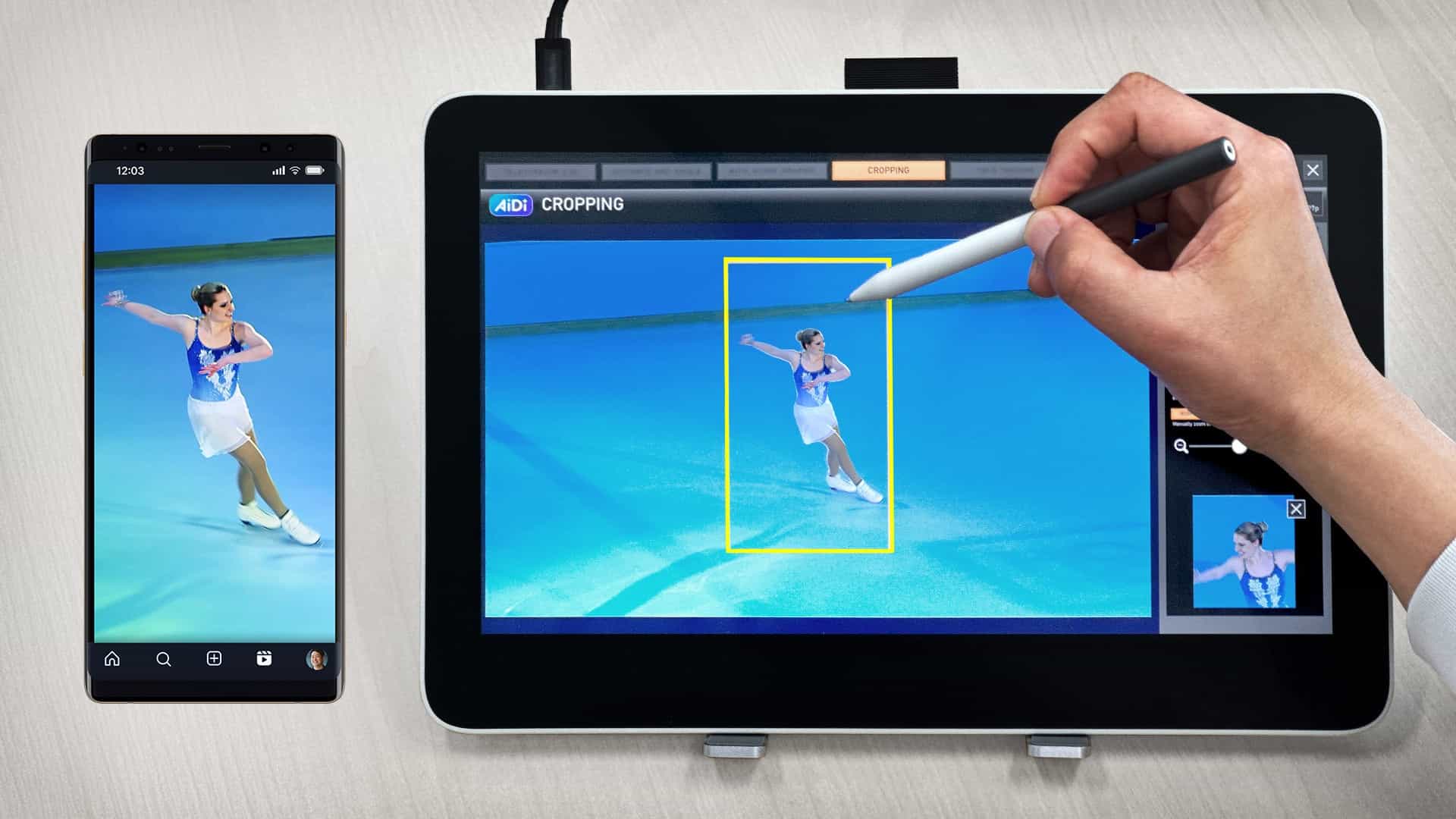
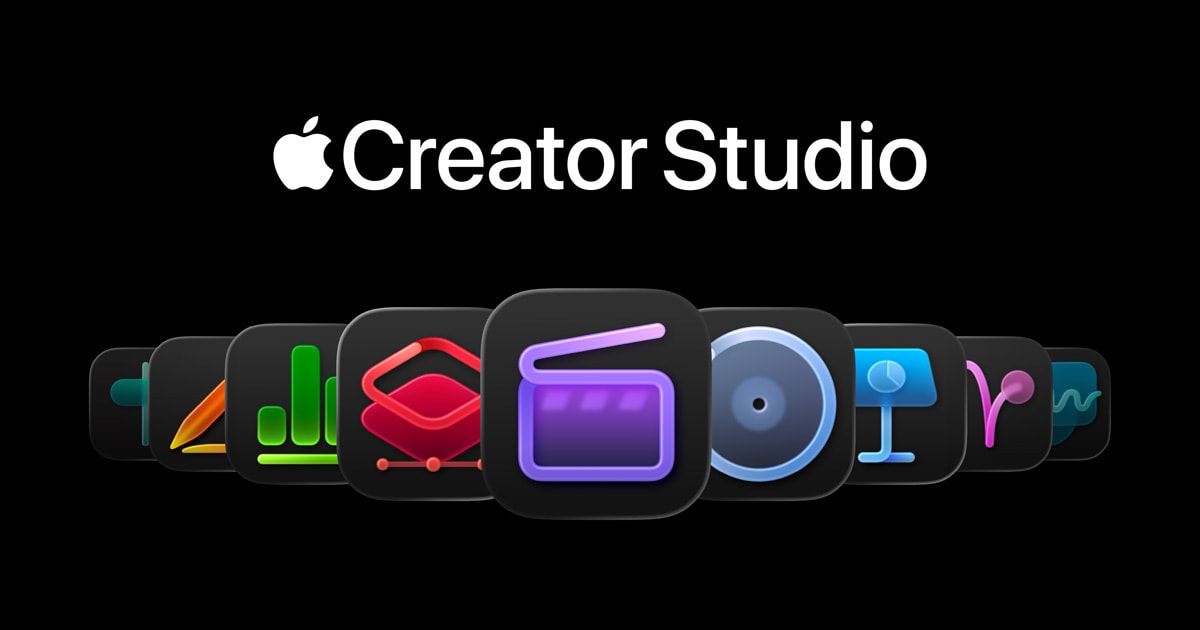
Apple’s latest creator push combines app bundling with practical editing features in Final Cut Pro 12, including Transcript Search, Visual Search, and Beat Detection. That’s not just a software refresh—it’s a sign that creators are expected to navigate footage semantically, not manually.
Why it matters: If your edit process still depends on scrolling timelines to find moments, you’re losing hours every week. Search-led editing changes how quickly teams can produce versions, cut social derivatives, and deliver client rounds.
Sources: Apple Newsroom: Apple Creator Studio launch; Apple Support: Final Cut Pro 12 release notes; MacRumors: Final Cut/Logic update context.
If your team needs this to translate into a repeatable production system (not just a one-off feature test), Tographer’s Content Consulting can help define a faster capture-to-edit pipeline.
2) Firmware updates are becoming ecosystem updates, not camera patches
Panasonic’s February 2026 LUMIX update cycle ties cameras, lenses, and mobile apps together in one release wave—adding DMW-DMS1 mic compatibility, Director Monitor mode in LUMIX Flow, and LUT handling improvements in LUMIX Lab.
Why it matters: The production bottleneck is increasingly in handoff and control, not recording quality. When firmware, app monitoring, and lens behavior ship together, creators can reduce set confusion and shorten turnaround from shoot to first cut.
Sources: Panasonic North America: LUMIX S firmware + app updates; Panasonic LUMIX firmware details page; No Film School: creator workflow implications.
If you’re deciding whether to run a phone+app-directed set or a more traditional camera-led setup, a focused 1 Hour Virtual Consult is a practical way to choose and standardize.

3) Pre-record is quietly becoming a baseline reliability feature
Blackmagic’s Camera 10.0 cycle introduced up to 10-minute pre-record for PYXIS and URSA Broadcast G2 workflows, plus broader audio/control improvements. This is less about flashy specs and more about not missing the critical first moment.
Why it matters: For interviews, events, and documentary-style shoots, pre-record directly lowers failure risk. Reliability features like this are becoming a competitive edge for small crews who can’t afford missed takes.
Sources: No Film School: Blackmagic Camera 10.0 workflow impact; Blackmagic Design Support Center.
If your next priority is making production reliability feel automatic instead of stressful, Tographer’s One Day Content Creator Virtual Bootcamp is a strong way to lock that operating rhythm.

What to Do Next
Pick one current project and run a no-chaos production sprint: searchable footage labeling, one app-linked monitoring flow, and pre-record enabled wherever possible. Track time-to-first-cut and missed-moment rate against your usual process.
From the Tographer
A practical Tographer perspective on building systems that help creator teams ship faster with less friction.