Videography Trends 2026: The Fastest Teams Are Replacing Manual Ops With Broadcast-Ready Automation


Here is a bold prediction: by the end of this year, great camera work will matter less than how quickly your team can route people, feeds, and decisions through a stable production system. The creators pulling ahead are building broadcast-style control into everyday content pipelines.
Trend Breakdown
1) Remote guest workflows are moving from patchwork apps to dedicated ingest hardware
With Skype TX now deprecated and replacement pressure rising, production teams are standardizing on purpose-built systems for Zoom and Teams guest intake instead of ad-hoc laptop chains.
Why it matters: Dedicated guest ingest reduces live-show risk, simplifies producer handoff, and cuts time spent troubleshooting audio-video mismatches during high-pressure streams.
Sources: TV Tech: QuickLink StudioEdge models debuting at NAB 2026; QuickLink StudioEdge product page.
If your team is redesigning remote-guest workflows, Tographer’s Content Creator Services can help map the tech stack into a repeatable weekly production system.
2) AI orchestration is becoming an operations layer, not just an editing trick
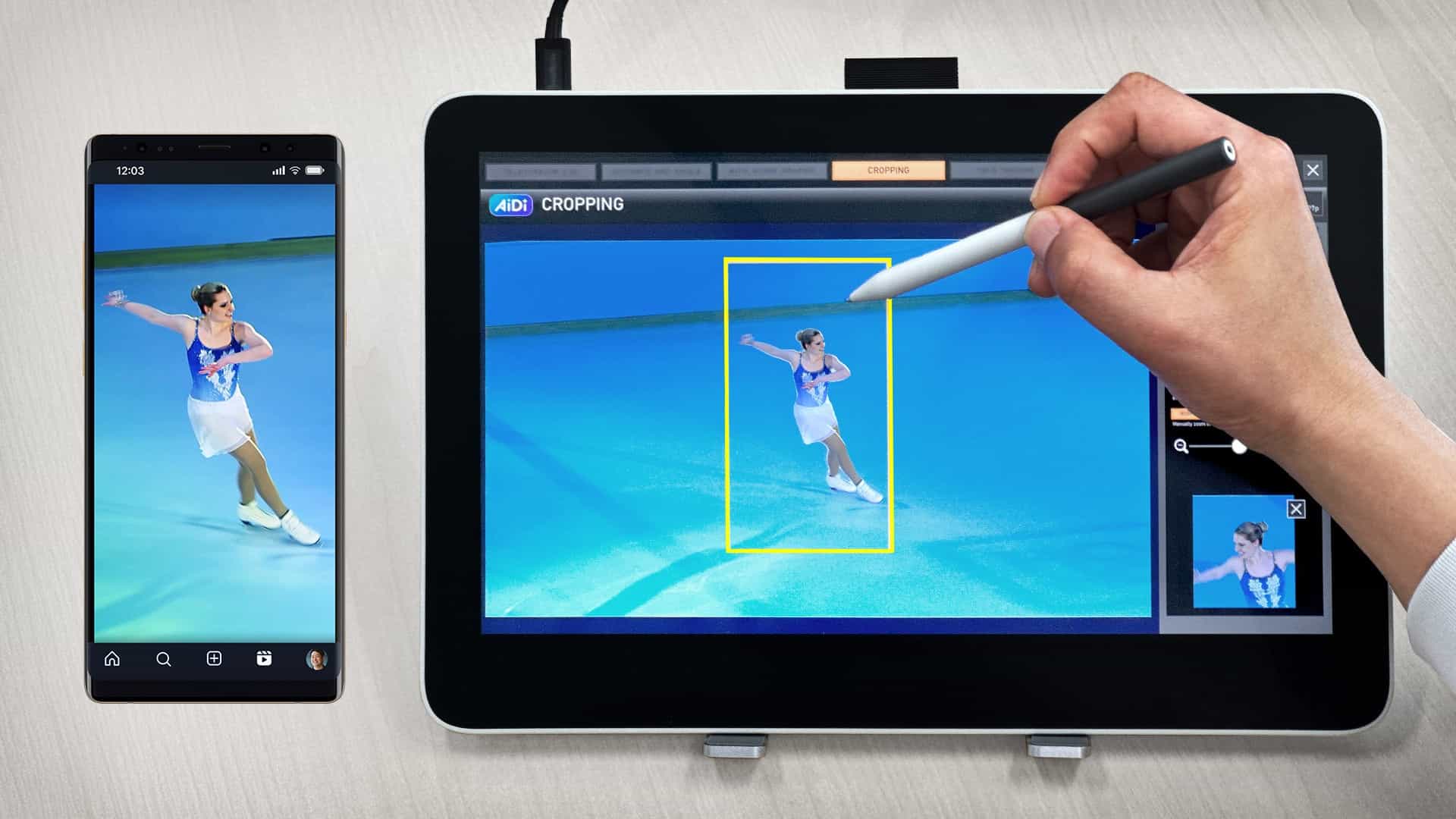
NAB preview announcements are highlighting AI orchestration for live video pipelines, from stream processing to monetization and multiview delivery.
Why it matters: Teams that operationalize AI in routing and playout can improve output quality while lowering per-channel overhead and reducing manual intervention.
Sources: Sports Video Group: Harmonic’s NAB 2026 workflow and AI announcements; TV Tech: live production simplification focus at NAB 2026.
When these shifts force bigger format and pacing decisions, Tographer’s 1 Hour Virtual Consult is a practical way to pressure-test your current setup before scaling.

3) Post workflows are getting faster through small-but-compounding software updates
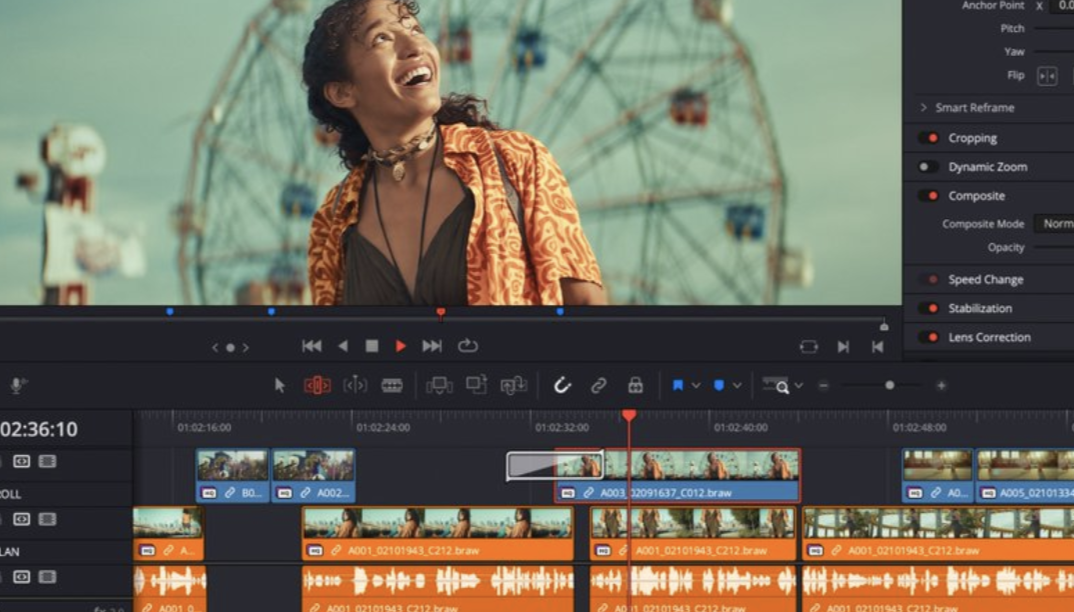
DaVinci Resolve 20.3.2 focuses on practical gains: dynamic trim behavior, subtitle kerning consistency, better cache retention, and faster AI-assisted scaling.
Why it matters: Small editorial speed gains compound quickly across shorts, cutdowns, multilingual versions, and revision-heavy client cycles.
Sources: Newsshooter: DaVinci Resolve 20.3.2 update summary; Blackmagic Design Resolve support downloads.
If you are trying to convert faster edits into consistently publishable output, Tographer’s One Day Content Creator Virtual Bootcamp can help align your team’s workflow from shoot to release.
What to Do Next
Run a latency audit on your next production: measure guest intake setup time, operator handoff points, and edit-to-publish turnaround for one episode. Then remove one manual step in each stage before your next release.
From the Tographer
A practical Tographer walkthrough on building a streamlined, automation-friendly production workflow.