Videography Trends 2026: Cinema Color Science Goes Mobile, Robot Gimbals Rise, and Compact Demand Rebounds


At MWC Barcelona, smartphone makers stopped talking like phone makers and started talking like camera departments. That shift matters for creators because it changes what can be treated as real production gear on lean shoots.
Trend Breakdown
1) Cinema image science is moving into mobile-first capture workflows
HONOR’s new technical collaboration with ARRI frames a bigger signal: mobile video is being designed around natural color response, highlight roll-off, and smoother handoff into professional post—not just social-first processing.
Why it matters: If your team mixes mirrorless/cinema footage with phone clips, color matching and finishing time can drop when capture pipelines are built for post from the start.
Sources: HONOR x ARRI technical collaboration announcement; GSMArena summary and key details.
If you’re trying to make mixed-camera footage grade faster, Tographer’s LUMIX LOG2LOG Conversion LUTs are a practical way to tighten your color handoff process.
2) Robot phone camera motion points to solo-operator mini crews
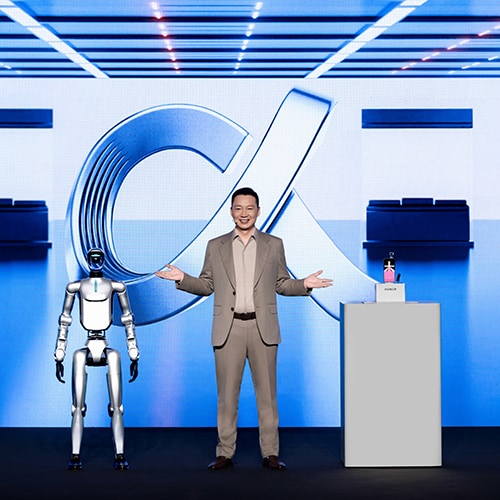
HONOR’s MWC launch details around Robot Phone (4DoF gimbal control, AI object tracking, and stabilized cinematic motion) suggest creator tools are targeting one-person teams that still need polished movement.
Why it matters: Stabilized, track-capable mobile capture can reduce rig complexity for behind-the-scenes, social cutaways, and secondary-angle coverage when crew size is tight.
Sources: HONOR MWC 2026 launch details; ARRI-focused imaging workflow context.
If you want to turn these tools into a repeatable publishing system instead of ad-hoc experiments, Tographer’s One Day Content Creator Virtual Bootcamp can help map your capture-to-publish workflow.
3) Premium mobile video positioning is now a mainstream launch narrative
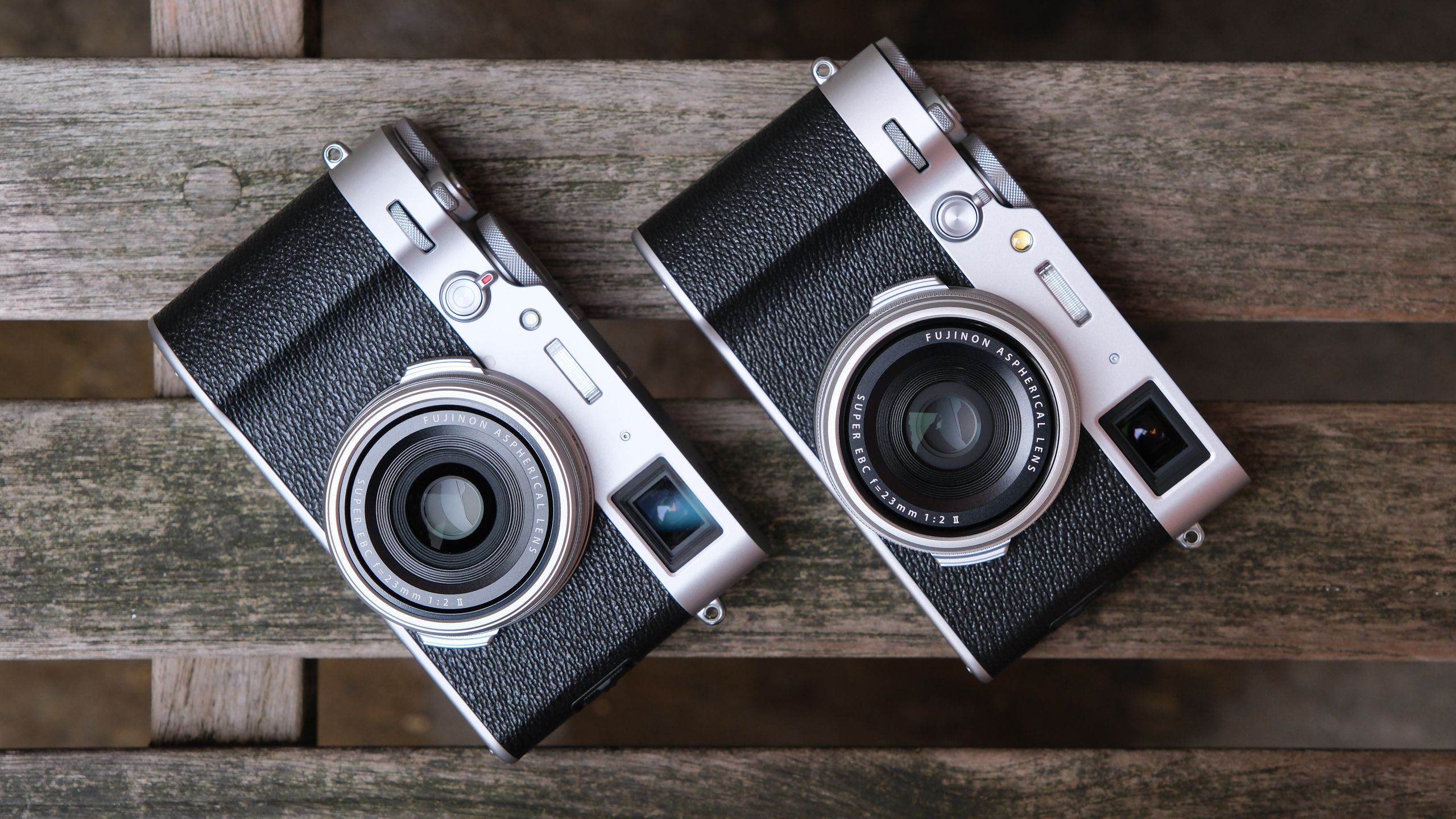
vivo’s MWC messaging around X300 Ultra emphasizes imaging architecture, system-level optimization, and videography-first positioning. In parallel, market chatter around compact-camera demand suggests creators are building mixed kits where phones and dedicated cameras each handle different production jobs.
Why it matters: The winning setup in 2026 is less about one perfect body and more about role-based kit design: main cam, mobile cam, and a clean post path between them.
Sources: vivo MWC 2026 X300 Ultra preview; Digital Camera World on January CIPA shipment trend; CIPA news index (shipment outlook release listing).
If you need help assigning clear gear roles and production cadence for your team, Tographer’s Content Creator Services is built for exactly that planning step.
What to Do Next
Run a one-project test this week: assign your phone as a deliberate B-cam, standardize one LUT or color transform for mixed footage, and define one delivery preset shared across your whole team.
From the Tographer
A practical Tographer breakdown on creating videos that serve your audience while keeping your workflow intentional.