Videography Trends 2026: Teams That Collapse Tool Sprawl Into One Visible Control Layer Ship Faster

If your team keeps losing hours to tab-switching, dashboard hopping, and who-owns-this-fix moments, your bottleneck is observability debt, not camera quality. The creators moving fastest are building fewer, clearer control points from capture through post.
Trend Breakdown
1) Broadcast monitoring is shifting from alarm floods to visual root-cause maps
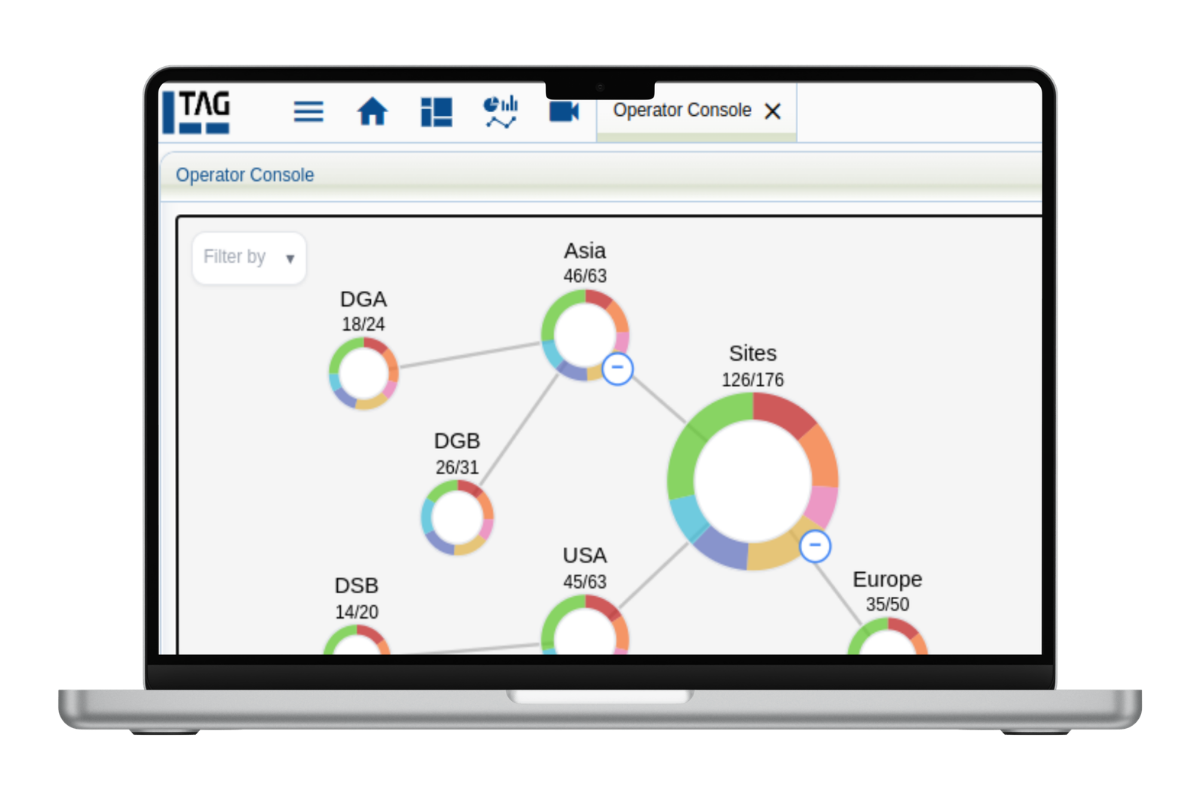
TAG Video Systems’ NAB 2026 preview emphasizes visual service-health diagnostics, native audio monitoring, and SDK-based integrations inside one IP-native platform.
Why it matters: Small teams can diagnose failures faster when the system shows where the break actually happened, instead of forcing operators to correlate alerts across multiple disconnected tools.
Sources: TVBEurope: TAG Video Systems at NAB 2026; TV Tech coverage of the TAG platform update.
If this exposes gaps in your own production handoff map, Tographer’s Content Creator Services can help you redesign your weekly capture-to-publish workflow around fewer failure points.
2) Final Cut workflows are moving toward searchable timelines and pre-edit intelligence
Apple’s latest Final Cut Pro release notes highlight transcript search, visual search, and beat detection as core workflow features, while Final Cut Camera updates keep improving pro capture handoff from iPhone into edit.
Why it matters: Faster clip discovery and rhythm-aware rough cuts reduce dead editing time, especially for teams producing multiple versions of the same footage for different platforms.
Sources: Apple Support: Final Cut Pro release notes; Apple Newsroom: Final Cut Camera 2.0 announcement.
For teams building iPhone-plus-main-camera systems, Tographer’s LUMIX LOG2LOG Conversion LUTs can help standardize grading decisions and speed up delivery.

3) AI video assistance is becoming a planning surface, not just an effect button
Adobe’s January creator updates connect Premiere, After Effects, and Firefly Boards into a tighter ideation-to-edit loop, with stronger masking and faster collaboration paths.
Why it matters: Teams that can move from concept board to editable timeline without app friction can test more ideas before deadlines, improving output quality without expanding crew size.
Sources: Adobe News: Sundance creators and new AI video innovations; Adobe Firefly AI video editor overview.
If you want to turn those faster ideation loops into a repeatable publishing cadence, Tographer’s One Day Content Creator Virtual Bootcamp is a practical implementation sprint.

What to Do Next
Audit one current project and remove one context-switch step from each phase: ingest, edit, and review. The fastest improvement usually comes from eliminating handoff friction, not buying another tool.
From the Tographer
A practical Tographer breakdown on streamlining production decisions so teams can publish faster with less operational drag.