Videography Trends 2026: The Skype TX Aftershock Is Forcing a Remote-Production Reset


When Skype TX support sunsets, "good enough" guest workflows collapse fast. The teams recovering quickest are the ones rebuilding around dedicated contribution systems, firmware-aware camera stacks, and software-defined routing instead of patching old pipelines.
Trend Breakdown
1) Remote guest contribution is moving from workaround to core infrastructure
QuickLink’s NAB 2026 rollout positions StudioEdge as a direct replacement path for teams displaced by Skype TX deprecation, with tighter Zoom call control and broadcast-native I/O options.
Why it matters: If your guest ingest chain depends on consumer-call behavior, your live show reliability is now a strategic risk.
Sources: QuickLink: StudioEdge NAB 2026 announcement; Broadcast Beat coverage.
If your team is rebuilding remote interview workflows, Tographer’s 1 Hour Virtual Consult is a practical way to map a cleaner guest-to-publish handoff.

2) Cinema camera value is shifting from specs to firmware velocity
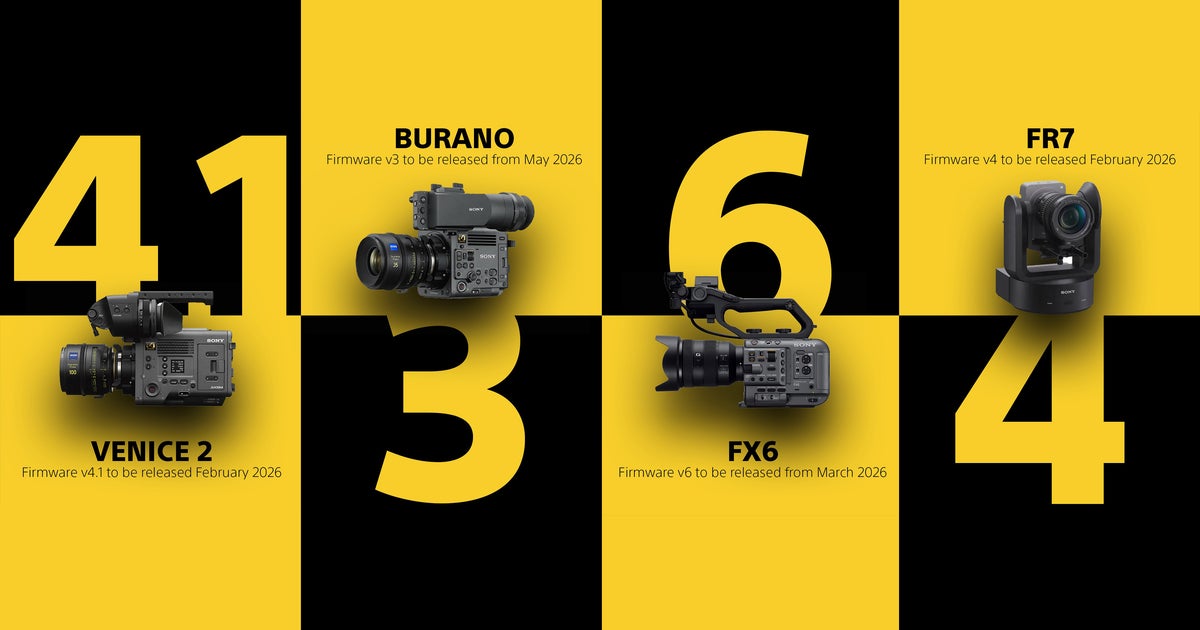
Sony’s 2026 Cinema Line updates push practical workflow wins: OpenTrackIO support on FR7, expanded recording/control options across BURANO, VENICE 2, and FX6, and tighter alignment with modern virtual production and post pipelines.
Why it matters: Camera purchases now age based on software support quality, not just sensor performance.
Sources: Sony Cine firmware update overview; CineD technical breakdown.
For creators trying to normalize look consistency across mixed camera bodies, Tographer’s LUMIX LOG2LOG Conversion LUTs can speed matching decisions in edit.
3) Software-defined IP production is crossing from broadcast into creator operations
Matrox is framing NAB 2026 around ORIGIN and interoperable IP tools that decouple media workflows from fixed hardware assumptions, while LiveU is emphasizing modular IP contribution, routing, and scheduling automation.
Why it matters: As teams publish to linear, web, and social simultaneously, flexible routing and orchestration matter more than adding another isolated box.
Sources: Matrox Video NAB 2026 press release; LiveU NAB 2026 IP-video ecosystem announcement.
If you’re standardizing a multi-platform publishing system, Tographer’s One Day Content Creator Virtual Bootcamp helps teams convert tool sprawl into repeatable process.

What to Do Next
Pick one recurring remote segment this week and document it as a fixed runbook: guest invite path, ingest standard, fallback protocol, and publish owner. Reliability gains usually show up in the very next episode.
From the Tographer
A Tographer workflow breakdown on building robust live-video pipelines with modern routing options.