Videography Trends 2026: The Fastest Creator Teams Are Standardizing Control, Not Expanding Tool Stacks


Here’s the bet for 2026: teams that keep adding one more app for every workflow issue will publish slower than teams that build a tighter control layer and enforce operating discipline. The new edge is not feature count—it’s coordinated execution.
Trend Breakdown
1) Live production systems are becoming scheduler-first, not operator-first
LiveU’s NAB 2026 roadmap centers on centralized scheduling, automated execution, and single-pane operations across transmission, ingest, and metadata workflows.
Why it matters: If your team relies on spreadsheets plus ad-hoc handoffs, production quality will vary by operator. A scheduler-first setup makes output more predictable and reduces burnout during high-volume weeks.
Sources: LiveU: NAB 2026 IP-video ecosystem announcement; NAB: 2026 show focus areas and program expansion.
If your current process still depends on tribal knowledge, Tographer’s Content Creator Services can help map a repeatable production flow your team can actually sustain.
2) Camera firmware and companion apps are shifting from nice extras to production infrastructure
Panasonic’s latest LUMIX S-series updates package camera firmware, lens control behavior, and app-side features (including Director Monitor improvements) into one connected workflow move.
Why it matters: Teams that treat firmware plus mobile app updates as core operations can iterate faster on set and reduce fix-it passes in post.
Sources: Panasonic: LUMIX firmware and app update announcement; Panasonic LUMIX global firmware download/support page.
If you’re blending LUMIX bodies across projects, Tographer’s LUMIX LOG2LOG Conversion LUTs can help keep color decisions consistent and speed delivery.

3) Generative video tools are maturing into asset-management environments, not prompt toys
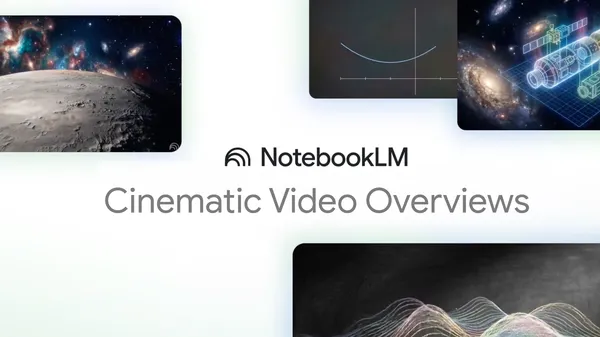
Google’s Flow updates emphasize asset libraries, collection organization, image-to-video continuity, and precision edits like lasso-based local changes.
Why it matters: The bottleneck is no longer generating a clip—it’s finding, reusing, and modifying the right assets quickly enough to keep the publishing cadence alive.
Sources: Google Blog: Flow updates and workflow redesign; Flow product entry point.
When your team needs to turn faster ideation into an actual weekly release rhythm, Tographer’s 1 Hour Virtual Consult is useful for tightening your capture-to-publish decision chain.
What to Do Next
Pick one recurring production and remove one manual handoff before next week: scheduling, ingest routing, or rough-cut assembly. The teams that remove one friction point every cycle compound faster than teams that chase every new feature.
From the Tographer
A practical Tographer breakdown on evaluating what actually improves creator output versus what just adds complexity.