Videography Trends 2026: API-Driven Post, Multi-Format Capture, and the iPhone B-Cam Shift


The next competitive gap in videography won’t be camera specs—it’ll be how fast your team can move files, approvals, and publish-ready exports without manual handoffs.
Trend Breakdown
1) Post-production is becoming API-first for small teams, not just enterprise studios
Frame.io’s latest update expanded practical automation paths (including deeper Zapier actions and stronger large-file transfer workflows with MASV for Adobe-managed enterprise setups), signaling a broader shift toward programmable post pipelines.
Why it matters: Even if you’re not "enterprise," your bottleneck is still handoffs. Automating folder creation, metadata updates, and review routing removes hours of repetitive coordination every week.
Sources: Frame.io: automation, security, and mobile search updates; Frame.io Workflow Guide.
If you want to map this into your actual production operation, Tographer’s Content Consulting is a practical way to design your workflow around output speed.
2) Capture once, publish everywhere is now a core production behavior
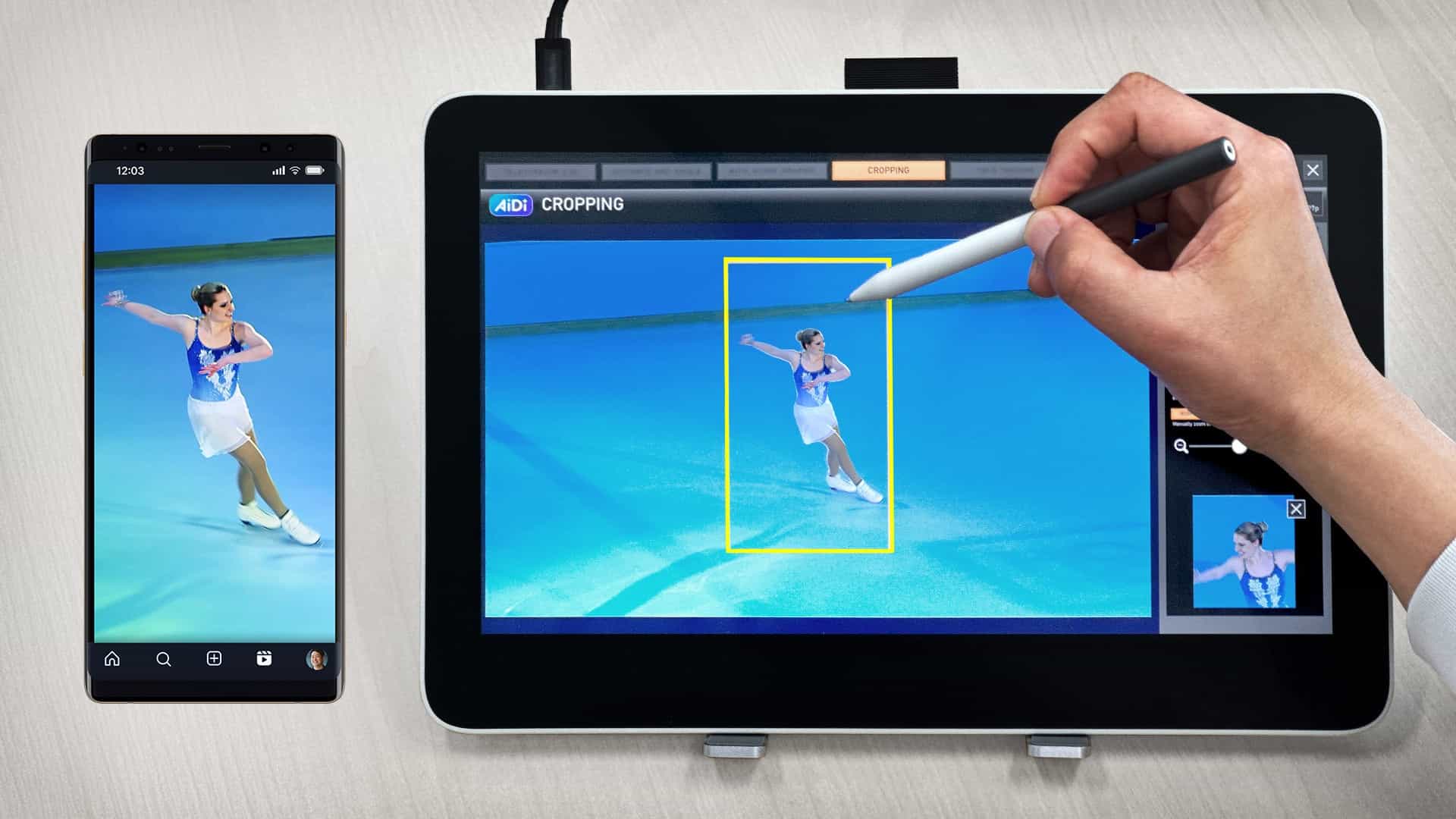
Vimeo’s recent product updates added more export aspect ratios and 4K screen recording support, while OBS Studio 32.0 pushed Hybrid MP4/MOV into default behavior for new profiles. Together, this points to a clear operating pattern: creators are optimizing for downstream publishing flexibility from the moment capture starts.
Why it matters: The fastest teams now plan framing and codec decisions around final distribution mix (YouTube, social verticals, internal edits) before they hit record.
Sources: Vimeo: January 2026 product updates; OBS Studio 32.0 release notes.
If your team needs a better cadence for multi-platform output, Tographer’s One Day Content Creator Virtual Bootcamp helps turn scattered formats into a repeatable content system.
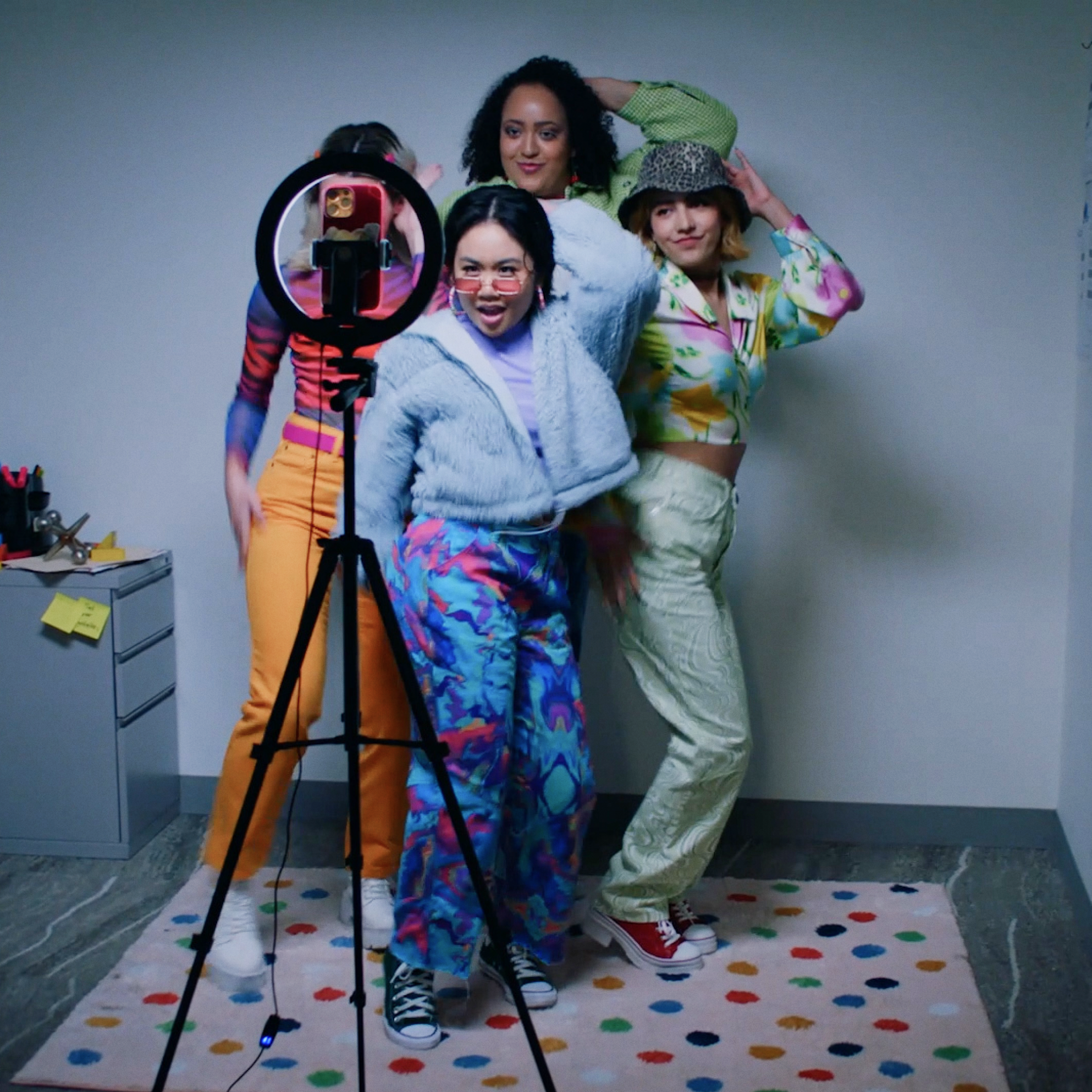
3) The smartphone B-cam is becoming infrastructure, not backup
Blackmagic Camera’s ecosystem push (including pro-level controls and cloud-centric workflows, plus the new ProDock positioning around iPhone workflows) reinforces an important shift: phones are increasingly treated as integrated production nodes.
Why it matters: For lean crews, a properly configured phone rig can cover hard-to-reach angles, fast pickups, and social cutaways without fragmenting the post pipeline.
Sources: Blackmagic Camera product page; Blackmagic Design homepage product updates.
If you’re building a phone-plus-main-camera workflow and want cleaner color handoffs, Tographer’s LUMIX LOG2LOG Conversion LUTs can help normalize grading decisions faster.

What to Do Next
Run a one-week workflow audit: list every manual handoff between capture and publish, automate one repetitive step, and standardize one multi-format export preset your whole team will use.
From the Tographer
A practical Tographer breakdown on which camera features actually matter in real production workflows.