Weekly Throwback: CANON EOS R5 REVIEW (8K) — Then vs Now

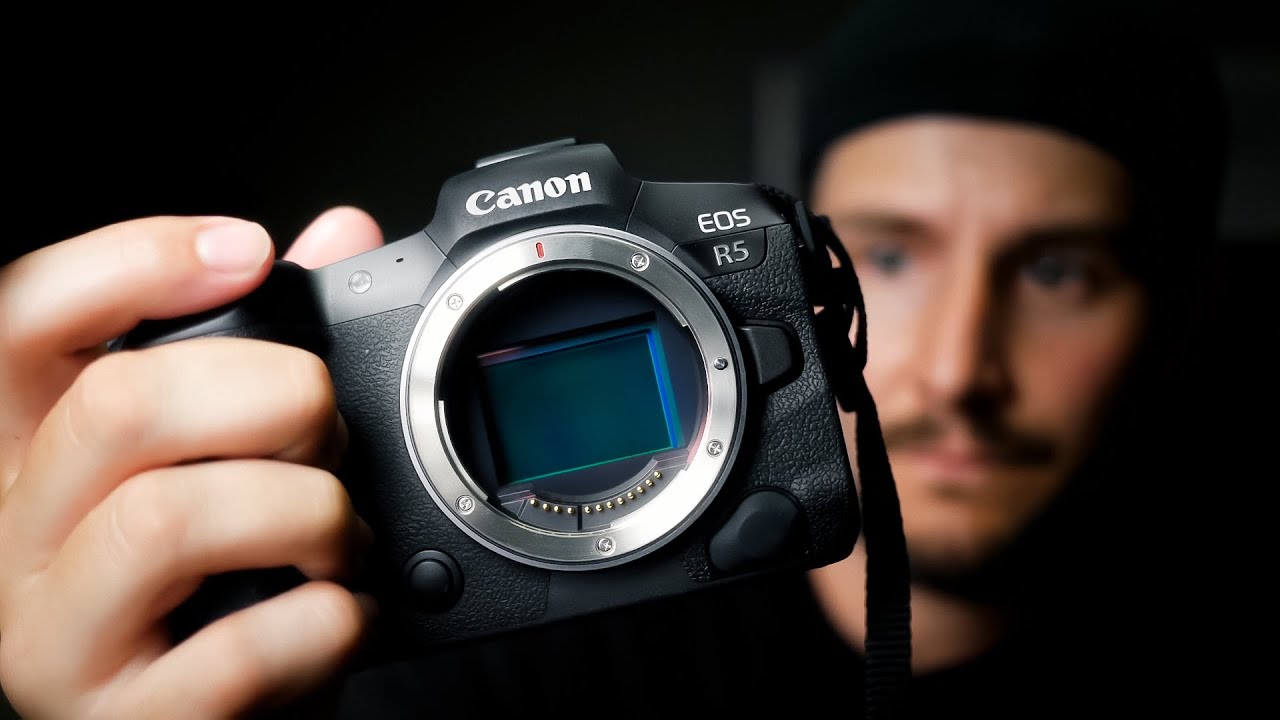
On 2020-09-27, I published "CANON EOS R5 REVIEW (8K)" right in the middle of one of the most heated camera debates I’ve ever seen online. I rented the camera with my own money because I wanted to test real-world behavior, not just spec-sheet hype.
Original throwback video: CANON EOS R5 REVIEW (8K)
Why this mattered then
Back then, my core thesis was that the R5 was brilliant hardware wrapped in frustrating video restrictions.
The original review emphasized practical realities: strong photo performance, excellent image quality options, but thermal/timer behavior and operational friction that could complicate paid production. For hybrid shooters trying to run one-body workflows, that was a make-or-break question.
What changed since
Since 2020, creator pipelines have become denser: long-form, shorts, social variants, and faster turnaround expectations from the same shoot day.
That changed how I evaluate gear. I now prioritize predictability under pressure: thermal stability, menu/monitoring clarity, edit performance, and delivery consistency—not only peak image modes.
What I’d do differently today
If I rebuilt that review now, I’d run a full delivery simulation before making recommendations: capture, ingest, edit, color, and exports for all expected deliverables. I’d also publish fallback mode plans for high-pressure shoots and score cameras by risk as much as image quality.
If you are rebuilding your own system, practical support resources include Content Consulting, the 2-Day On-Site Content Intensive, and Lumix LOG2LOG Conversion LUTs for color-managed multi-camera workflows.
What still holds up
The old principles still hold: spec sheets are incomplete, workarounds still cost time, and production UX matters more than people admit.
Hybrid cameras should be judged on consistency over real projects, not only their most impressive marketing mode.
Practical takeaway for creators now
Before buying your next camera, run one 90-minute stress test in your real workflow, then complete your full delivery stack on your actual edit machine.
Ask: did this camera support your workflow, or did your workflow have to serve the camera? That question mattered on 2020-09-27, and it matters even more now.