Weekly Throwback: WD My Book Duo RAID1 WARNING! (Then vs Now)

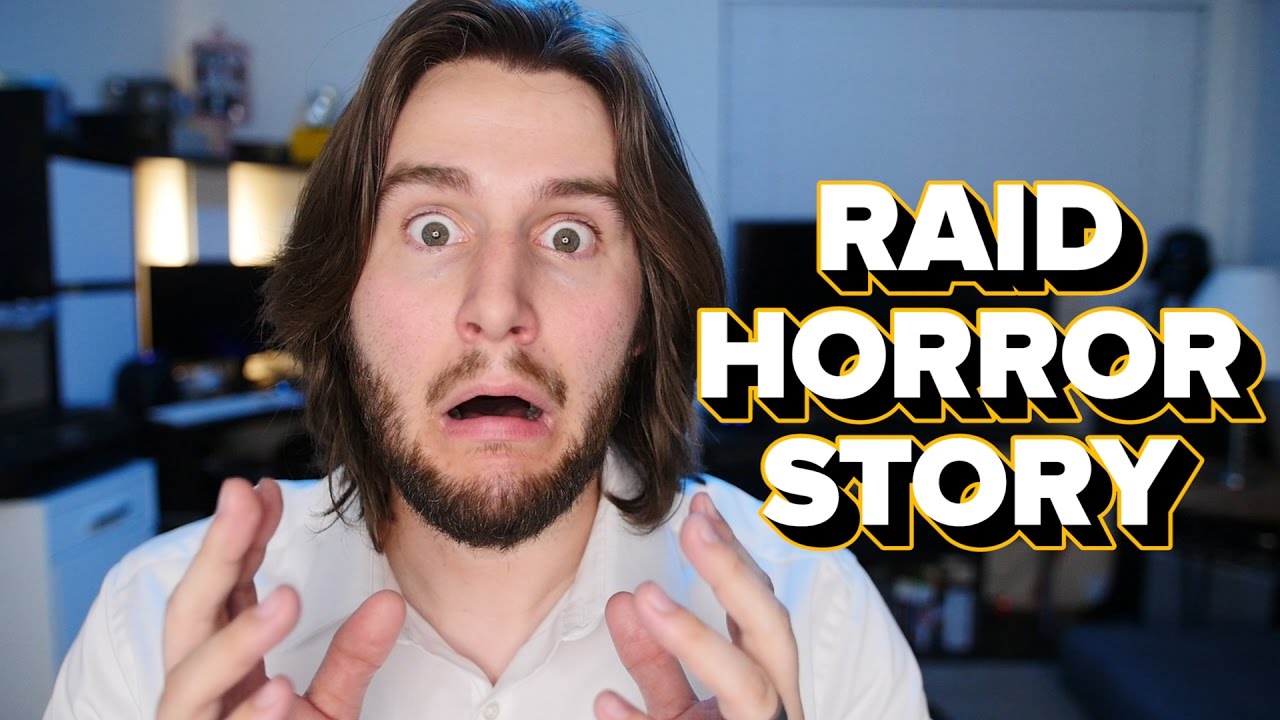
On 2017-04-11, I published a video called "WD My Book Duo RAID1 WARNING!" after learning a painful lesson the hard way: the backup setup I trusted failed in a way I did not expect.
Original throwback video: WD My Book Duo RAID1 WARNING!
Why this mattered then
Back then, the core thesis was simple: RAID is not backup, and format choices can quietly become failure points.
In that original video, I walked through a real incident where a WD My Book Duo volume became invisible on Mac. I tested drives, swapped enclosures, ran diagnostics, tried recovery software, and contacted support channels. What stood out was that the hardware itself seemed fine after reformat, and the common denominator looked like using exFAT in that RAID workflow.
A few lines from that era still capture the emotional center of the lesson: I was highly suspicious exFAT was the culprit in that setup, losing personal files hurt but losing client files would have been catastrophic, and mirrored systems can still fail your assumptions.
What changed since
Since then, creator operations have gotten denser and faster. One project usually means multiple deliverables, remote collaborators, and a lot more file churn.
That shift makes storage architecture a business decision, not just a technical preference. Today I think in layers: working storage, local redundancy, versioned backup, and offsite/disaster backup. I also value restore testing and documented handoff SOPs far more than I did in 2017.
What I’d do differently today
If I rebuilt that workflow now, I’d standardize formats per workflow path, validate every storage change with a checklist, run scheduled restore drills, and separate personal experimentation from client archive policy.
If you are reworking your own system, practical help is available through Content Consulting, a focused 1 Hour Virtual Consult, or the One Day Content Creator Virtual Bootcamp if you want a complete workflow reset.
What still holds up
The old principles still hold: mirrored arrays only cover certain failures, convenience formats can hide reliability tradeoffs, and prevention beats recovery every time.
I also still believe in pressure-testing workflow choices on personal projects first, then moving proven systems into client-facing production.
Practical takeaway for creators now
Do a 60-minute backup stress test this week. Verify your working files, local redundant copy, and offsite copy for one active project, then restore a random folder to prove recovery works.
If any step is unclear, you have backup intentions, not a backup system. That was true on 2017-04-11 and it is even more true now.