Weekly Throwback: WD My Book Duo RAID1 WARNING! — Then vs Now

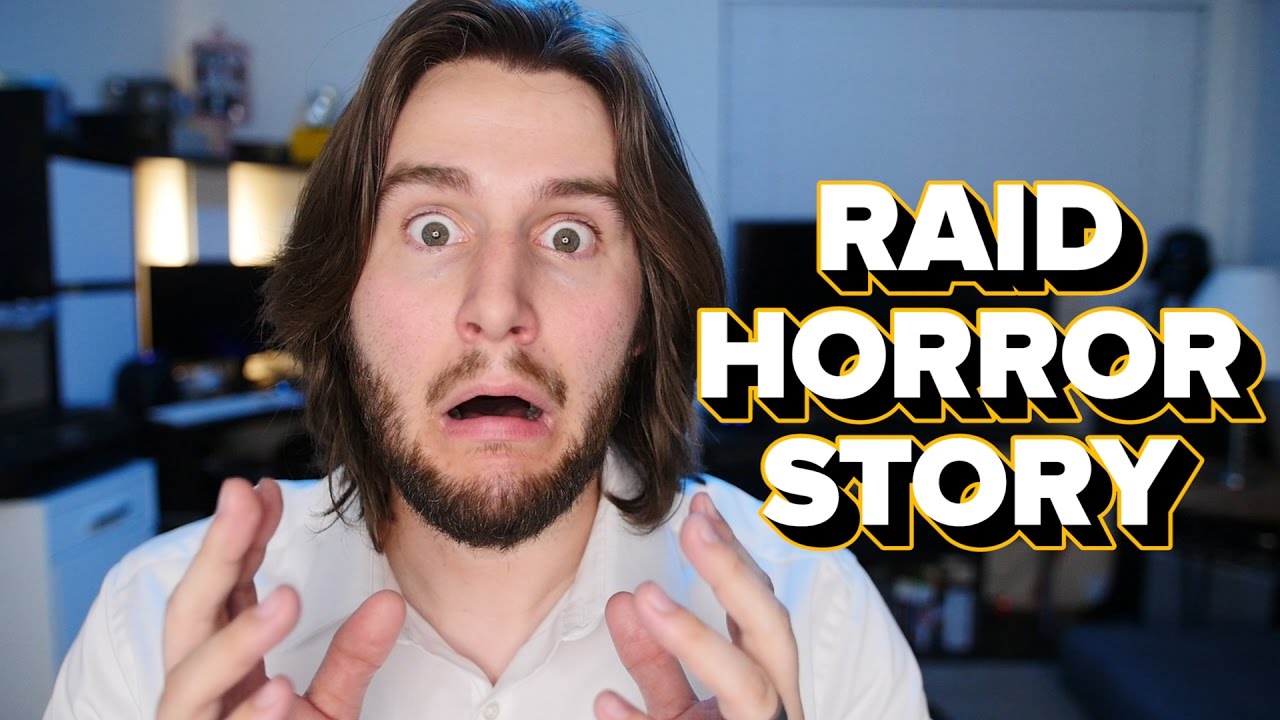
On 2017-04-11, I published "WD My Book Duo RAID1 WARNING!" after a real-world storage failure that forced me to rethink how much trust I was putting in one backup strategy.
Original throwback video: WD My Book Duo RAID1 WARNING!
Why this mattered then
The thesis in 2017 was simple and painful: RAID1 is not the same thing as a full backup plan. I had recommended mirrored drives for safety, then hit a failure case where enclosure/controller behavior made recovery harder than expected.
In the video, I walked through the practical warning signs: one day the drive vanished from the desktop, diagnostics were vague, and swapping disks/enclosures didn’t immediately restore access. The important point was never brand drama—it was system design. If your process assumes one device cannot fail in a messy way, you’re already behind.
What changed since
From 2017 to 2026, creator workflows got faster and more fragmented: multicam, social cutdowns, remote collaboration, AI-assisted edits, and constant versioning. That means the damage from a bad storage assumption is bigger now than it was then.
What also changed is tooling maturity. We now have better sync tools, more affordable cloud/archive options, and cleaner project structures. But the core business risk remains identical: if your backup plan is not routinely tested, it is a theory—not a plan.
What I’d do differently today
If I remade this from scratch today, I’d spend less time on the single incident and more time on a repeatable framework: 3-2-1 backups, checksum verification, monthly restore drills, and explicit recovery-time targets for client work.
If you want help implementing that in a real creator business, three useful follow-up resources are the Content Consulting, the One Day Content Creator Virtual Bootcamp, and the Creator Business Mastery program.
What still holds up
The 2017 warning still holds up: mirrored disks reduce one class of failure, but they do not eliminate failure.
Also still true: panic is expensive. Clear file naming, consistent project templates, and tested fallback paths are what keep client work moving when hardware misbehaves.
Practical takeaway for creators now
This week, run a 30-minute backup fire drill. Pick one recent project, restore it to a separate location, open it, relink media, and export a short proof file. If that flow breaks, fix it before your next deadline.
Then vs now: in 2017 I learned the hard way that RAID1 can fail you in unexpected ways. In 2026, the winning creators are the ones who treat data resilience as part of the creative process—not an afterthought.