Why Are Fast Video Teams Betting on Control Layers, Not New Cameras?


Most creators don’t lose momentum because their camera is too old—they lose momentum when approvals, ingest, and versioning break every time they switch formats. Right now, the bigger edge is operational: teams that build tighter control layers are shipping more often, with less chaos.
Trend Breakdown
1) The creator economy is being treated like a first-class production track at NAB
NAB’s 2026 lineup is signaling a shift from creator side-stage to creator workflows being a core planning priority, including Creator Lab sessions on impact measurement, contracts/burnout, and AI use in practical production contexts.
Why it matters: If events and vendors are reorganizing around creator operations, small teams that standardize planning and handoff processes now will benefit faster than teams still improvising each upload cycle.
Sources: Sports Video Group: NAB 2026 lineup details; NAB: 2026 registration and program updates.
If your team needs clearer format planning before production day, Tographer’s One Day Content Creator Virtual Bootcamp helps lock in repeatable systems.
2) Engineering topics are moving into creator-relevant territory (AI QC, cloud, timing, HDR)
The 2026 BEIT agenda leans hard into AI-assisted QC/accessibility workflows, cloud-native infrastructure, SMPTE ST 2110 transport, precision timing, and HDR pipeline reliability.
Why it matters: These aren’t just enterprise talking points anymore. Even solo and small teams are now affected by the same reliability constraints once they produce for multiple destinations and faster turnarounds.
Sources: Inside Radio: 2026 BEIT conference agenda highlights; NAB: official 2026 show details.
For creators who need a fast audit of where their pipeline breaks under load, Tographer’s 1 Hour Virtual Consult is a practical first step.
3) Firmware + mobile workflow updates are quietly becoming throughput upgrades
Panasonic’s March updates for Lumix cameras, L-mount lenses, and companion apps add practical control improvements: digital mic support, lens ring customization, Director Monitor mode, clip handling, and LUT workflow refinements.
Why it matters: Feature-level updates like these reduce friction across capture and review. Teams that keep firmware/app workflows current can often reclaim more publish speed than they’d gain from swapping bodies.
Sources: PetaPixel: Panasonic Lumix firmware and app update summary; Panasonic: firmware download page.
If you’re shooting Lumix and want cleaner post handoff, Tographer’s LUMIX LOG2LOG Conversion LUTs are a practical companion.

4) Adobe is compressing masking and collaboration time inside the edit app
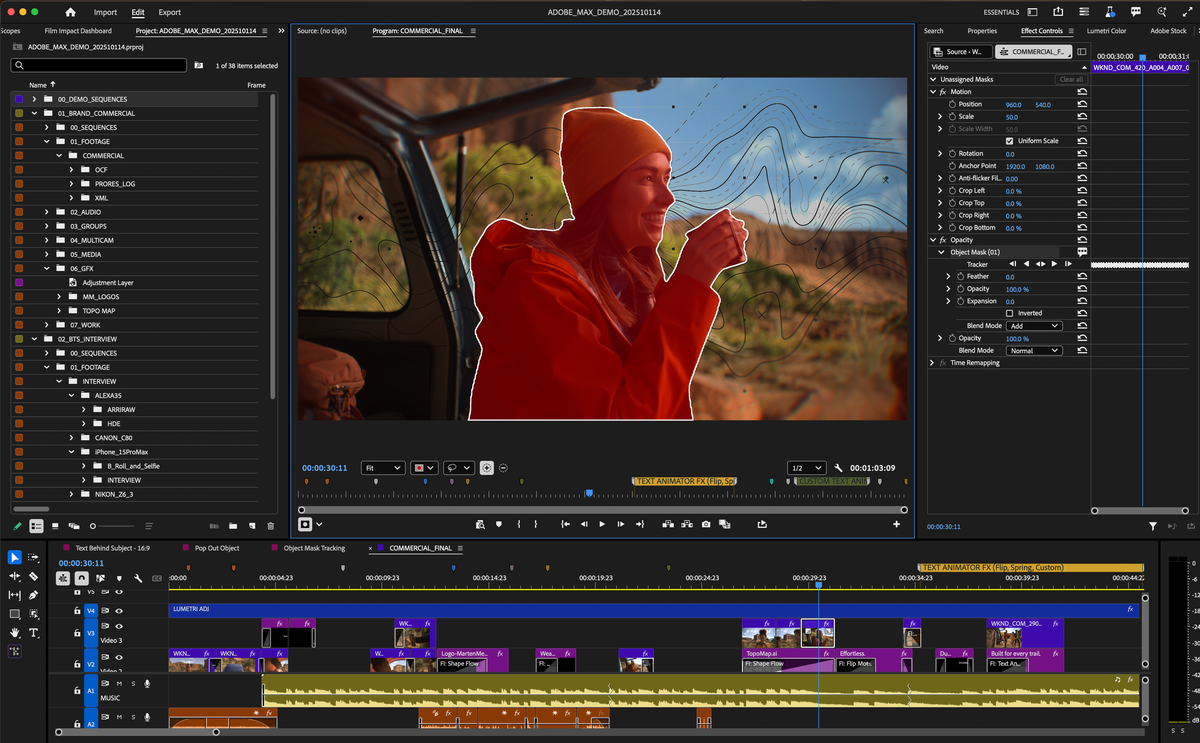
Adobe’s 2026 Premiere updates emphasize on-device Object Mask, much faster shape-mask tracking, tighter Firefly Boards handoff, and deeper Frame.io panel integration.
Why it matters: Teams that minimize app-switching and manual mask correction cycles can move faster from rough cut to publish-ready output, especially under high clip volume.
Sources: Adobe Blog: Premiere + After Effects 2026 feature updates; Adobe HelpX: What’s new in Premiere desktop.
What to Do Next
Pick one recurring format and run a single-console day: one planning doc, one ingest path, one review handoff. If your team can complete that cycle without duct-tape fixes, you’re on the right side of the 2026 workflow curve.
From the Tographer
A practical conversation on real-world Lumix workflows and production decision-making.