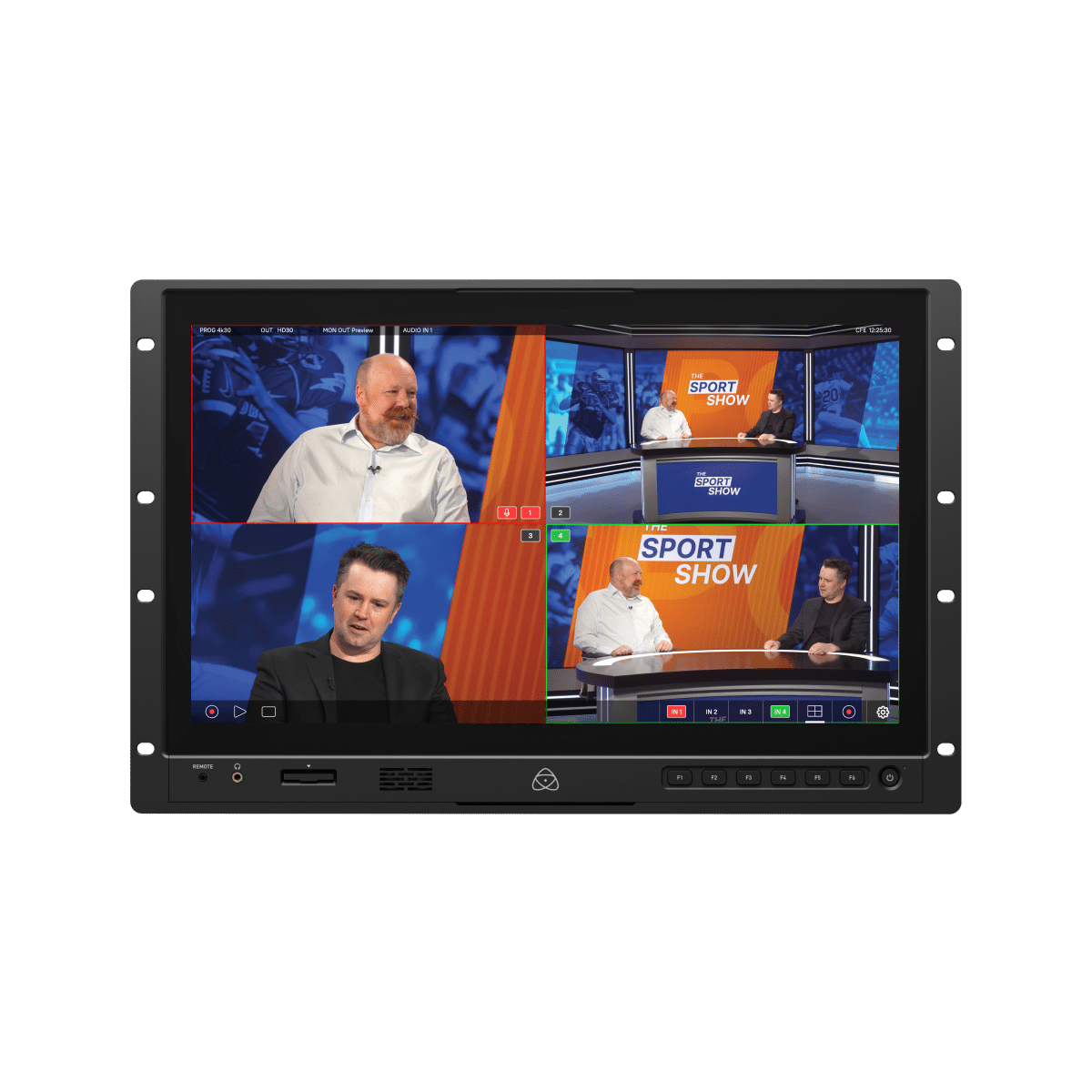
Why Camera Control Is Overtaking Camera Specs for Working Creators

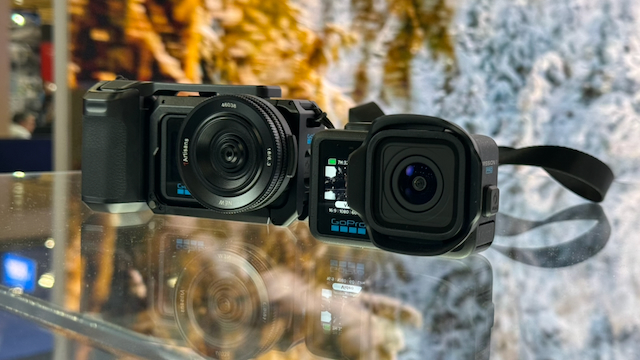
When Sony’s FR7 firmware added stronger tracking-data output and multicast support, it reinforced a shift many small teams are already feeling: control and recovery features are now deciding whether shoots stay profitable.
Trend Breakdown
1) PTZ and virtual-production metadata are moving into mainstream camera workflows
Sony’s FR7 Firmware 4.00 adds OpenTrackIO support for virtual production plus expanded FreeD options and multicast transmission.
Why it matters: if you shoot hybrid projects (live + post), cleaner camera-position data reduces manual alignment work and lowers the risk of expensive re-shoots.
Sources: Newsshooter coverage of Sony FR7 Firmware 4.00, Sony firmware release cadence example (April 2026).
If your current setup still depends on manual handoffs, Content Consulting can help map a cleaner capture-to-delivery control stack.
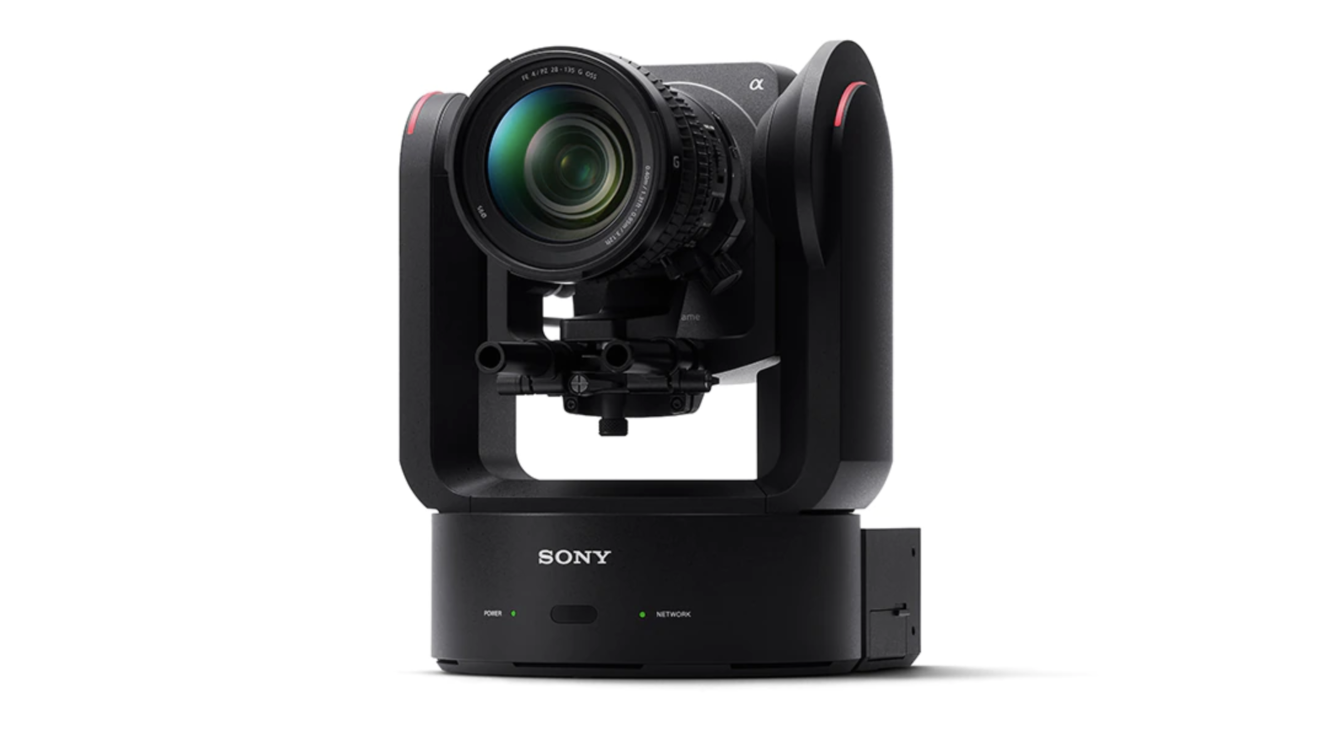
2) On-camera monitor ecosystems are becoming remote-control hubs
Atomos’ Shinobi firmware updates now extend touch-focus and camera control support across more Canon, Fujifilm, Nikon, Panasonic, and Sony bodies, while keeping monitor-side control central to set operation.
Why it matters: fewer menu dives on camera bodies means faster setup changes, especially when one operator is juggling talent, framing, and lighting alone.
Sources: Newsshooter report on Atomos firmware 11.07.00, Atomos Shinobi firmware support page, Shinobi II product details.
If you want to formalize repeatable operator workflows for your team, the One Day Content Creator Virtual Bootcamp is a practical way to lock in a reliable production SOP.
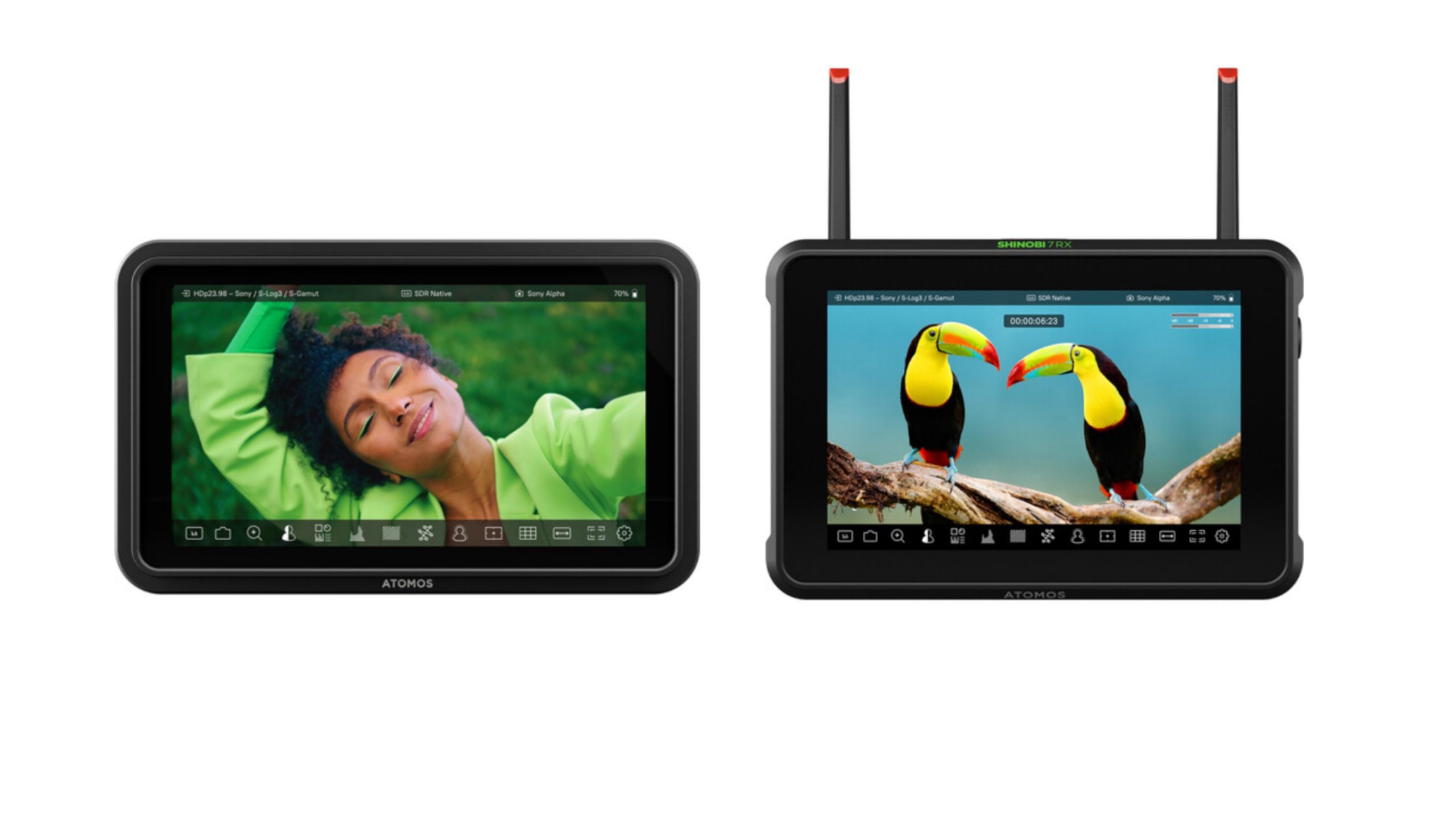
3) Broadcast-style lensing and remote protocols are spilling into creator-adjacent productions
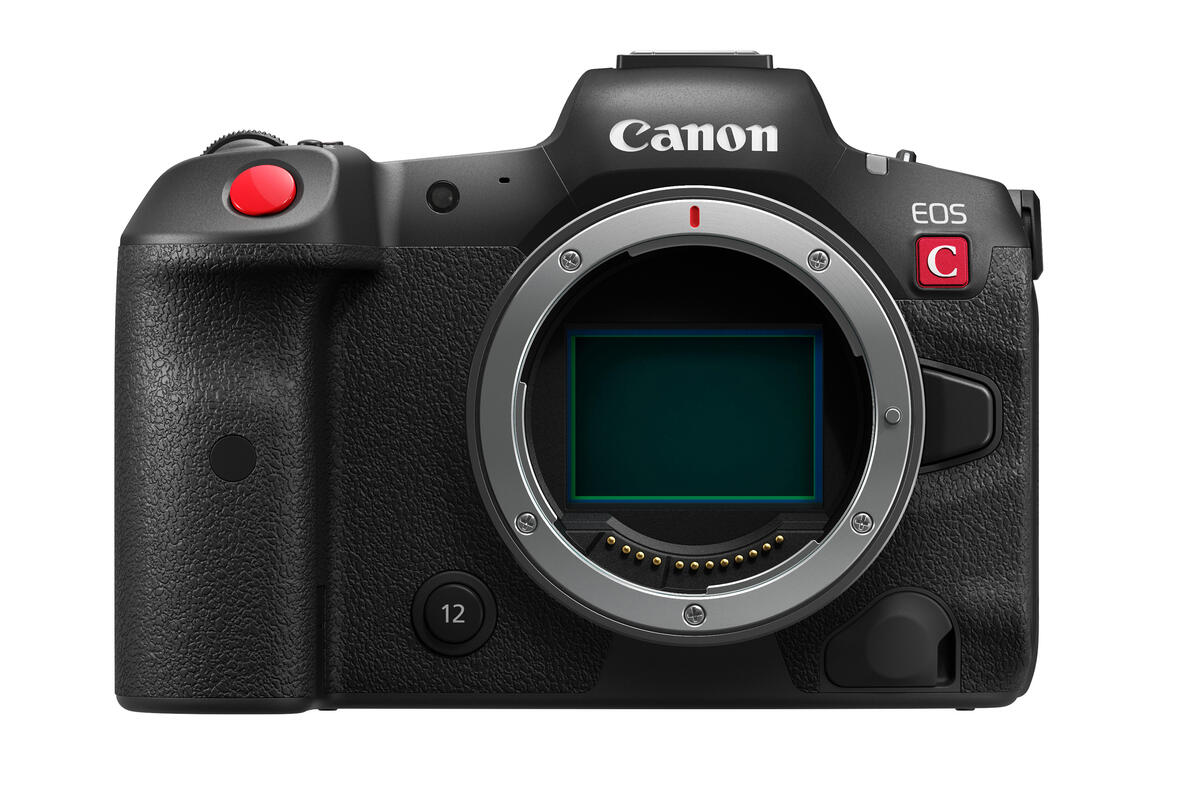
Canon’s new CINE-SERVO 40-1200mm announcement and related Cinema EOS firmware direction emphasize remote operation, improved SRT resilience, and live production readiness.
Why it matters: even creators not buying an 80K lens can borrow the same operating model: tighter remote controls, fewer dropped streams, and better confidence on long-form or event shoots.
Sources: Daily Camera News coverage of Canon CINE-SERVO + firmware updates, Newsshooter firmware feature summary.
If your business is shifting from single-camera shoots to multi-role production days, a 2-Day On-Site Content Intensive can help you implement the same reliability mindset without enterprise overhead.
What to Do Next
Audit one active project for control friction: focus changes, camera setting updates, remote trigger reliability, and reconnection behavior. Improving those four points usually saves more time than a body upgrade.
From the Tographer
A Tographer breakdown that aligns with today’s reliability-first workflow theme.