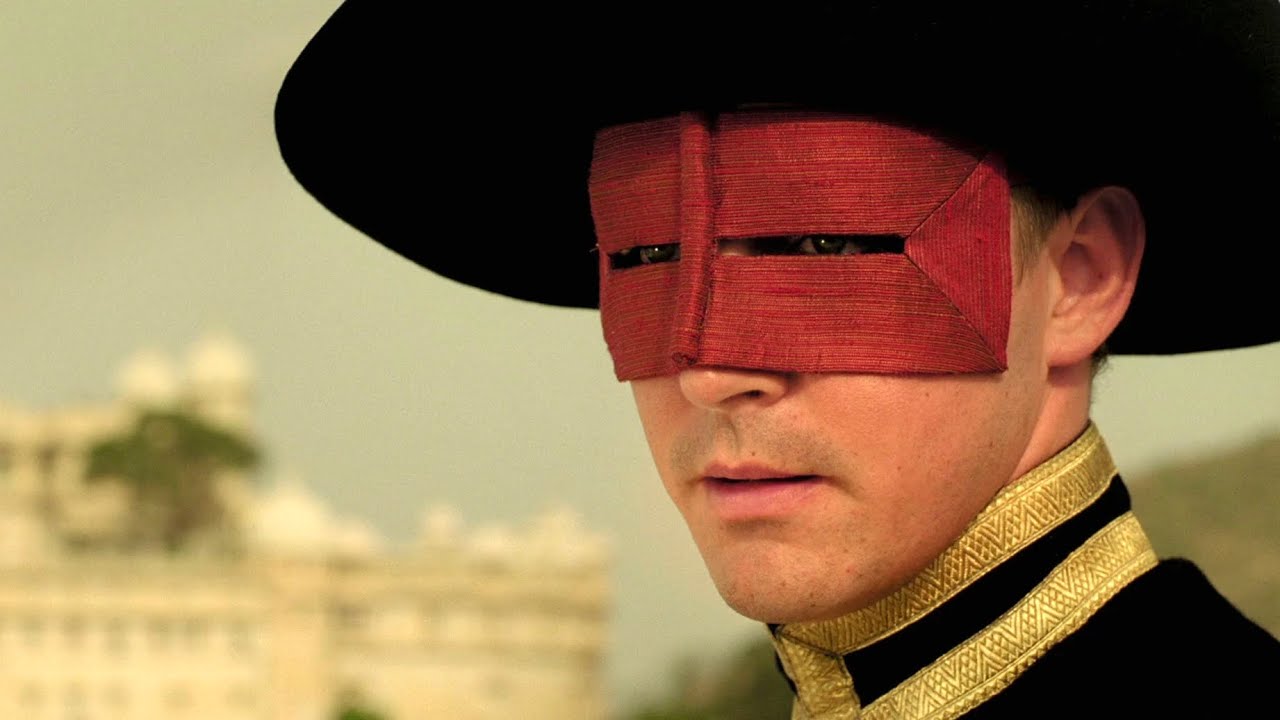
Why Knight of the Seven Kingdoms Works

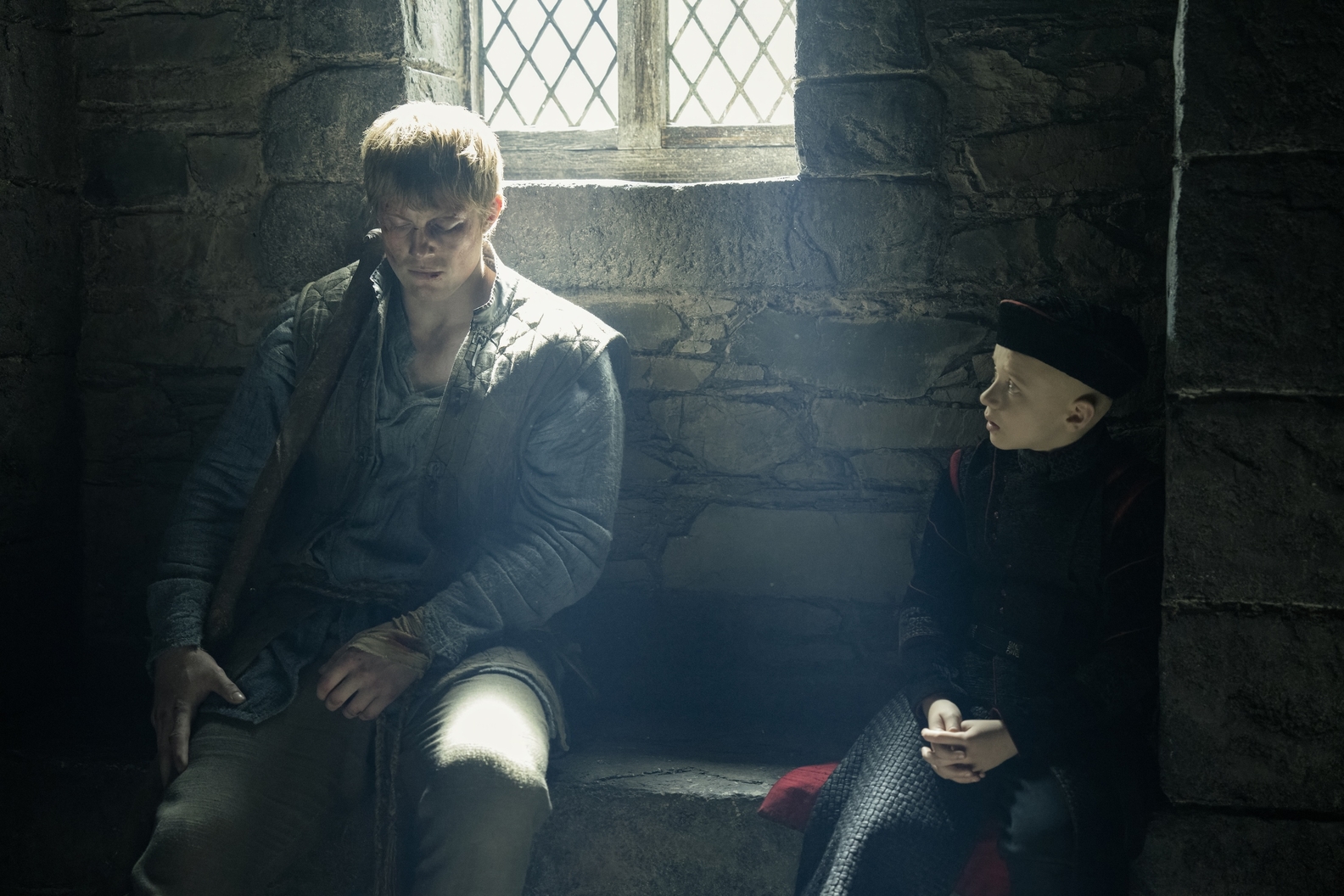
Spoilers for Season 1 and for "The Hedge Knight."
There’s this thing that happens to franchises when they get big enough: they start trying to be more. Bigger wars. Bigger stakes. More dragons. More prophecy. More capital-I Importance. And then A Knight of the Seven Kingdoms shows up and asks the opposite question.
What if you shrink the scale and sharpen the people?
That’s exactly why this show works.
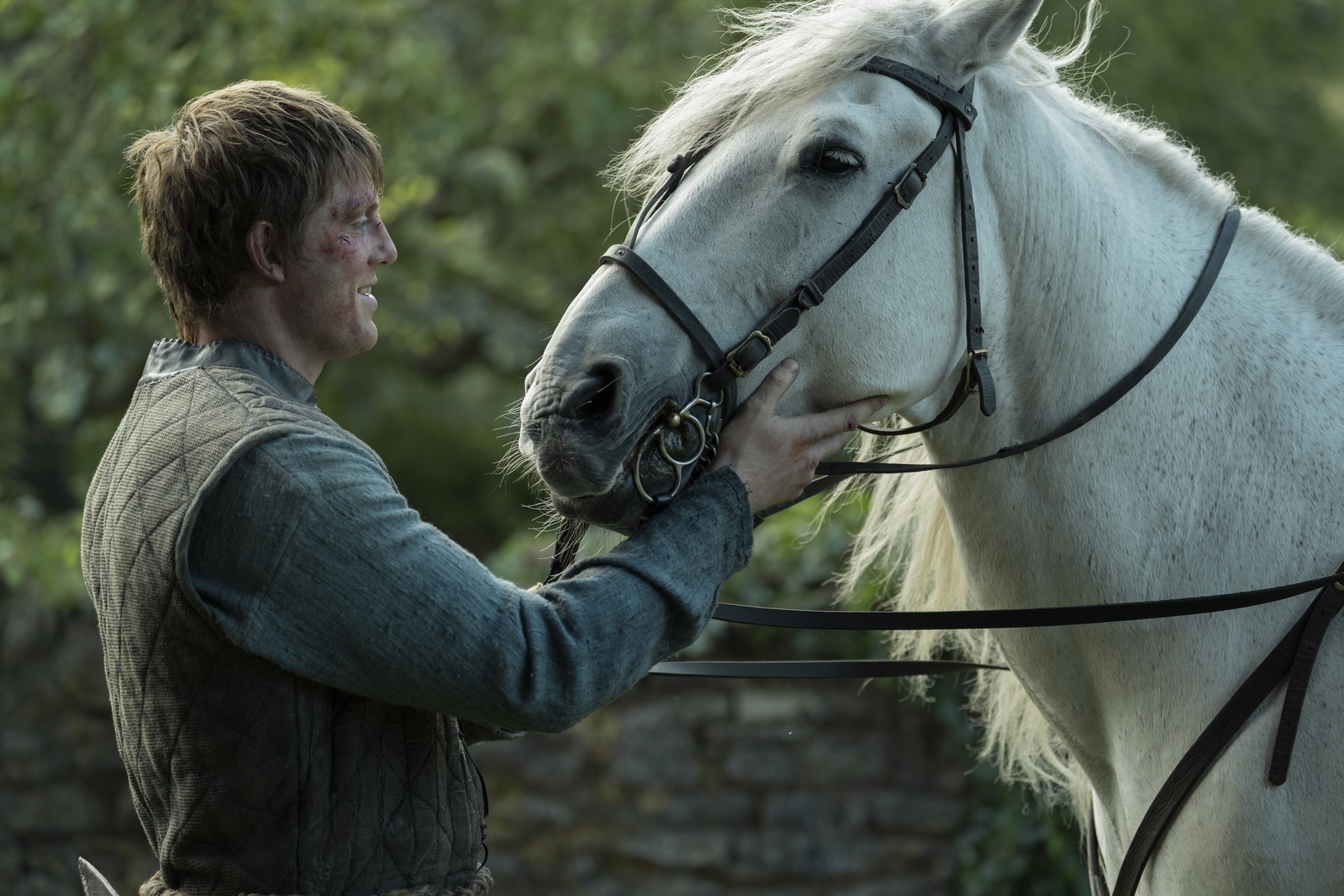
The scale is the point
The source material has always been smaller and more intimate than the flagship Westeros arcs. George R.R. Martin’s Dunk and Egg stories begin with The Hedge Knight, first published in 1998, and later collected in A Knight of the Seven Kingdoms.
Timeline-wise, this is roughly 90 years before the main A Song of Ice and Fire era. No apocalypse. No continent-level war machine. A tourney, a hedge knight, a disguised prince, and a chain reaction of choices.
That DNA survives the adaptation, and that discipline is what gives Season 1 its identity.
Sources: The Hedge Knight publication and setting, A Knight of the Seven Kingdoms collection, WBD Pressroom property page.
1) The characters are people, not pieces
Dunk is physically imposing but psychologically uncertain. He is trying to become the thing he believes a knight should be, and that gap between ideal and ability is where the character lives.
Egg is not a mascot sidekick. He is curious, defiant, politically loaded, and always pushing momentum. Their chemistry works because each one exposes the other’s blind spots.
The supporting cast has clear identity too. Aerion is cruelty without romantic framing. Baelor is principled authority. Maekar is rigid logic under pressure. Even smaller characters carry enough specificity that moral decisions feel personal, not procedural.
2) Cause and effect actually matters
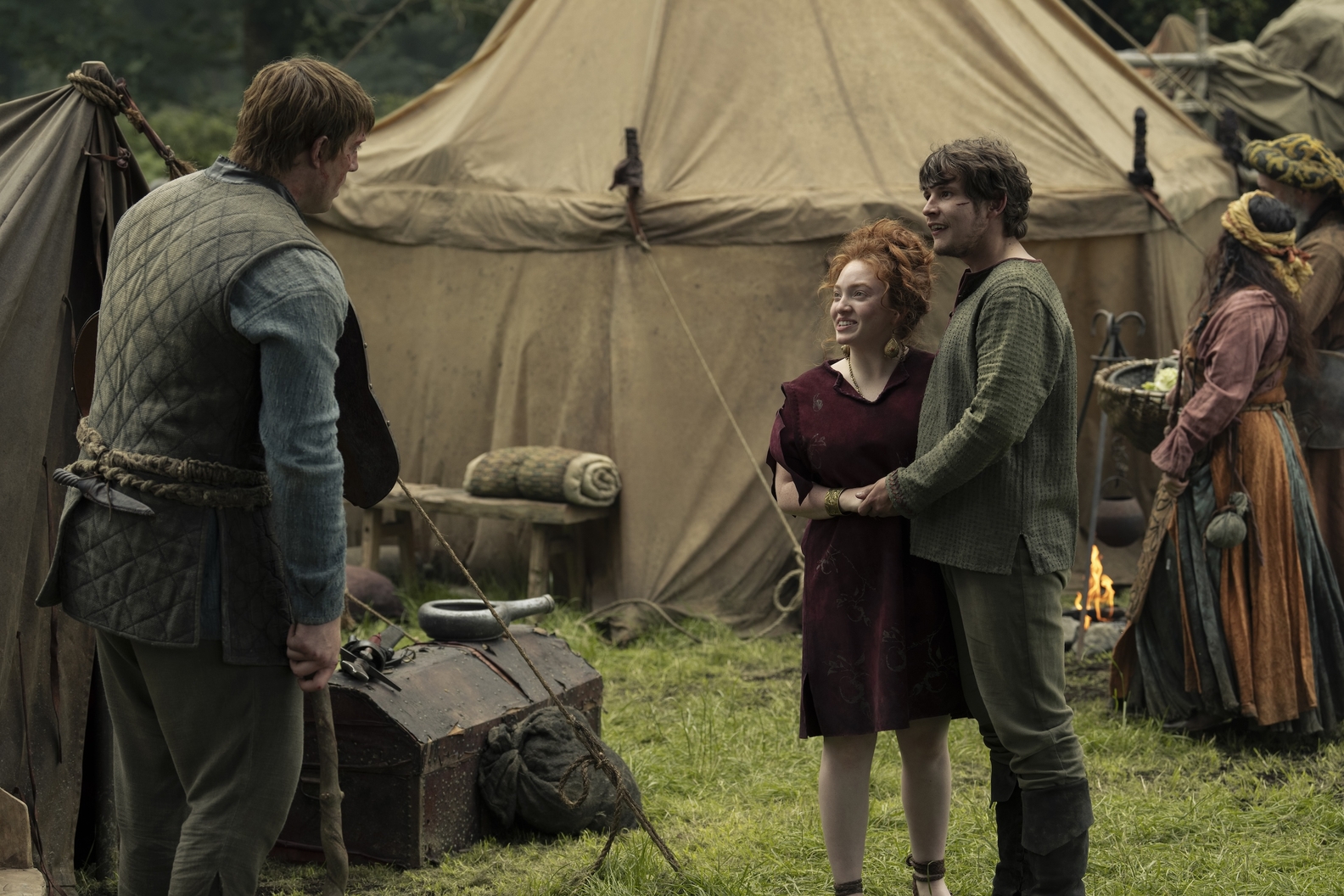
The Ashford incident works because it is character-consistent. Dunk intervenes when Aerion harms Tanselle, even knowing it could destroy him. The story does not bend around a protagonist moment. It follows the consequences of a moral decision.
That same character math drives the finale. The Trial of Seven is costly, not decorative. Baelor’s death lands as consequence, not stunt. Dunk’s path forward favors principle over comfort. Egg doubles down on choosing the road.
Nothing feels like pieces being moved into place for franchise optics. It feels earned.
3) Humor gives the world oxygen
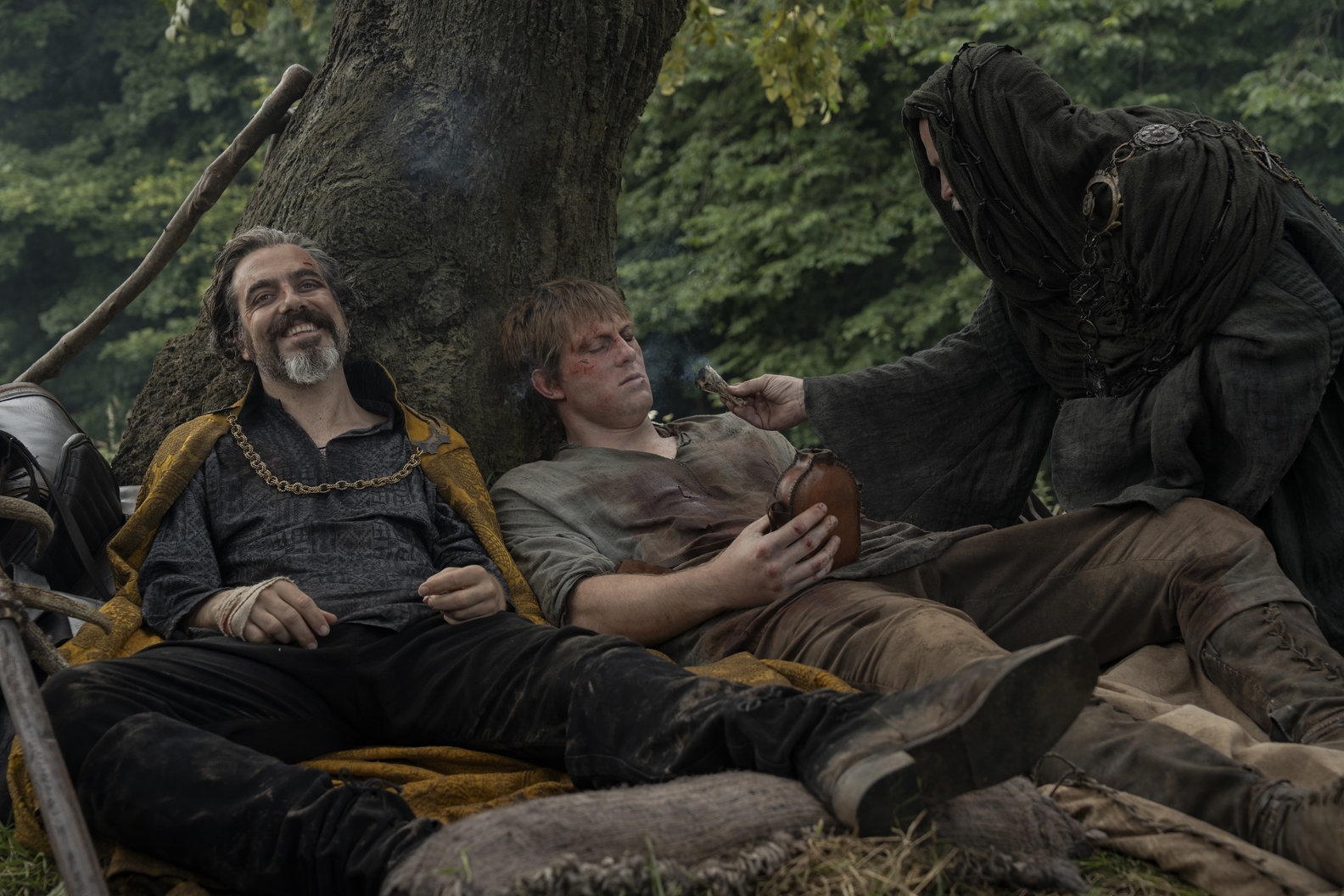
Westeros has always carried brutality. What this series remembers is that levity sharpens tension. The banter, corrections, and low-stakes personality collisions make the world feel lived in.
When characters are allowed to be funny or annoying or unexpectedly warm, the darker beats hit harder because you are invested in their daily humanity, not just their trauma profile.
4) It has a moral spine
Prestige fantasy often defaults to permanent grayness. This show does something riskier right now: sincerity.
It treats honor as practice, not branding. Not ceremony. Not status. Daily decisions under pressure. That is why lines about true knighthood land as conviction instead of nostalgia bait.
It does not pretend virtue is simple. It shows the cost and still defends the value.
5) Charm and likability still work
Sometimes you want to spend time with characters, not just diagnose them. Dunk and Egg are likable without being simple, and that creates rewatch value.
The first season is easy to recommend because it is confident about tone, pace, and point of view. It does not chase scale inflation to prove relevance.
If future seasons keep this lane, tight adventures, coherent character logic, moral clarity, and humor, this can become the most consistently rewatchable Westeros series.
Want this level of story clarity in your own content?
If your channel or brand is producing narrative-heavy content and you want tighter story logic, cleaner emotional beats, and stronger audience retention, these are the fastest entry points:
- Content Consulting for targeted story and structure diagnosis
- 1-Hour Virtual Consult for focused strategy and execution fixes
- One-Day Virtual Bootcamp for a full system reset
Good storytelling is not guesswork. It is craft plus consistent decisions.
Related video
If you want a broader take on modern TV/film storytelling patterns, this is a related watch from Tographer:
Related: 5 Trends Ruining Movies and Television