Why Video Teams Are Replacing Single-Tool Setups With Control-First Stacks


Buying one more "all-in-one" tool is no longer a strategy; it is a delay tactic. The teams moving fastest right now are treating control architecture as the product and individual apps as interchangeable parts.
Trend Breakdown
1) Remote production control is shifting from mirrored surfaces to true multi-node command
Calrec’s True Control 2.0 framing pushes beyond simple console mirroring toward simultaneous control across multiple enabled nodes, including broader control over routing, dynamics, and delay.
Why it matters: If one operator can reliably supervise multiple control points without kludgy workarounds, teams can scale live and hybrid shoots without scaling headcount at the same rate.
Sources: Calrec True Control 2.0; Sports Video Group NAB 2026 coverage.
If your team is stitching remote operators into one repeatable pipeline, Tographer’s 2-Day On-Site Content Intensive can help turn that setup into an operating system, not a one-off build.
2) The architecture conversation has moved from ‘modernize later’ to ‘implement now’
Grass Valley’s NAB 2026 positioning is less about future promises and more about executing across already-mature building blocks: cameras, switchers, replay, orchestration, and software-defined workflows in one production architecture.
Why it matters: Creator teams that standardize orchestration early can swap tools and scale formats with fewer resets, because the system logic is stable even when gear changes.
Sources: Grass Valley NAB 2026; NAB 2026 program announcement.
For smaller teams trying to define that architecture before adding more software, Tographer’s One Day Content Creator Virtual Bootcamp gives a practical framework for repeatable execution.
3) Firmware updates are now workflow releases in disguise
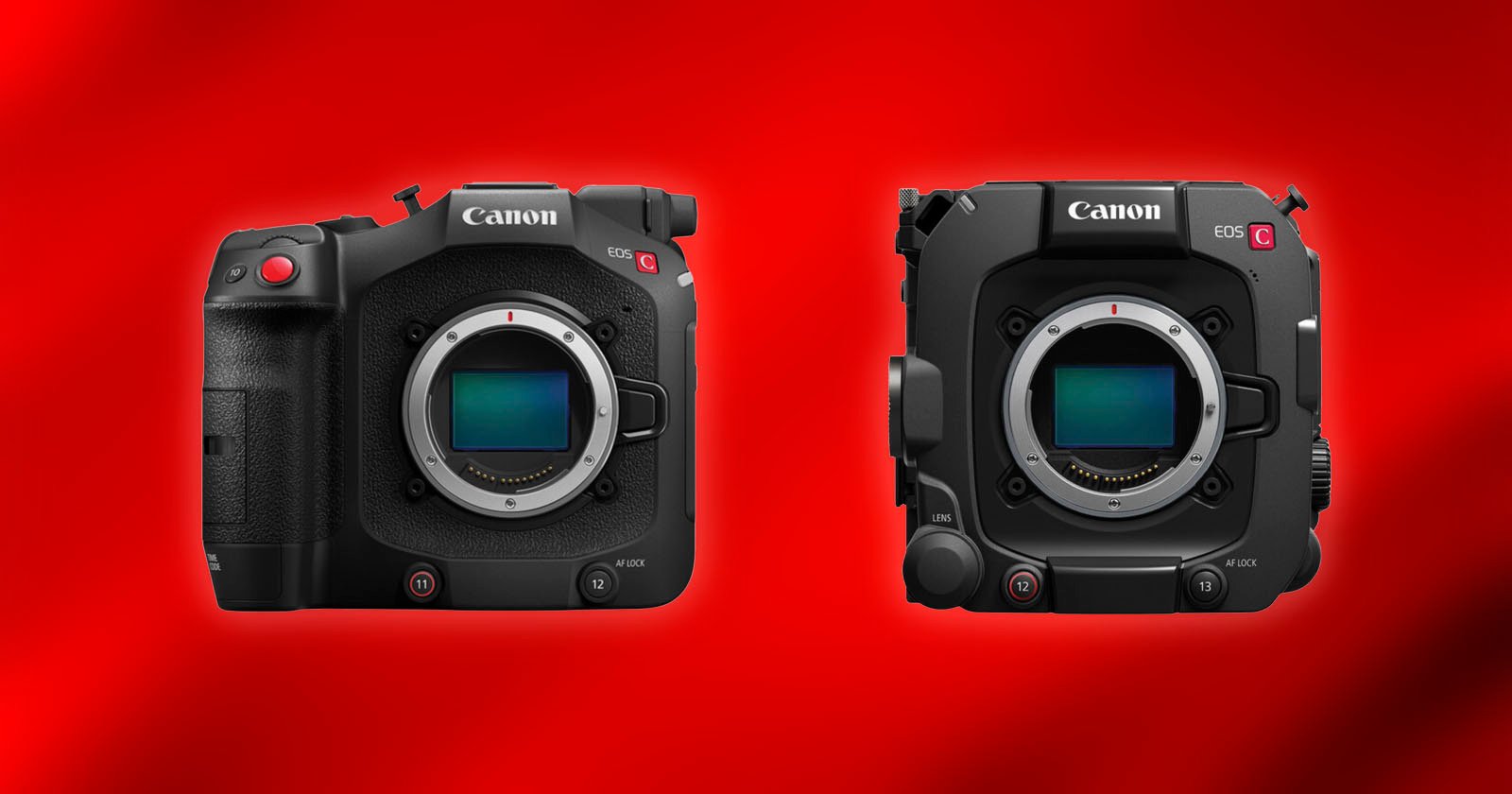
Canon’s PTZ and Cinema EOS firmware cycle emphasizes operational capabilities—auto reconnect for live transport, multi-subject tracking improvements, broader controller/app compatibility, and expanded on-camera review and metadata behaviors.
Why it matters: Teams that treat firmware cadence like a production sprint can gain measurable throughput without buying net-new hardware.
Sources: Canon U.S.A. firmware announcement; PetaPixel technical recap.
When you need to convert firmware feature lists into an actual shot-to-delivery checklist, Tographer’s 1 Hour Virtual Consult is a fast way to pressure-test your current workflow.
What to Do Next
Audit one recurring format you ship every month and map its control path end-to-end: ingest trigger, monitoring owner, remote override path, and final publish handoff. Any missing owner in that chain is where your next delay will start.
From the Tographer
A Tographer breakdown on building repeatable creator systems and workflow discipline.