Your Camera Isn’t the Bottleneck—Your Update Cadence Is

A camera body can stay in your bag for years; your workflow can break in a week. Teams shipping the fastest in 2026 are treating firmware, edit software, and AI tooling as a weekly operating rhythm—not a once-a-year cleanup task.
Trend Breakdown
1) Hybrid cameras are now software platforms with compounding video value
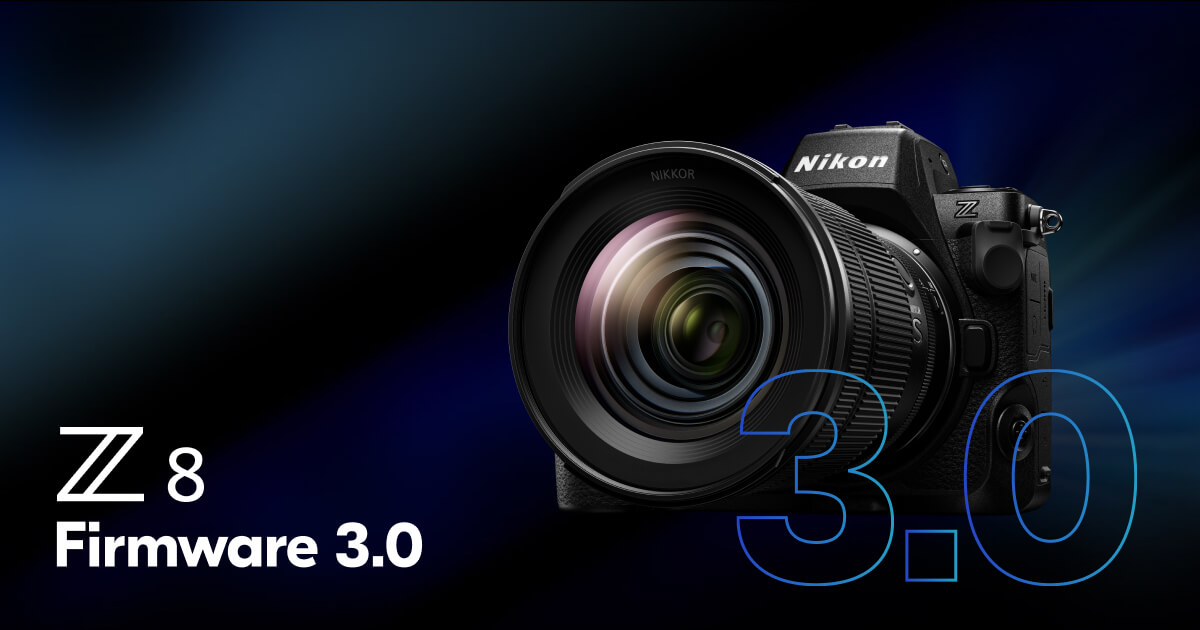
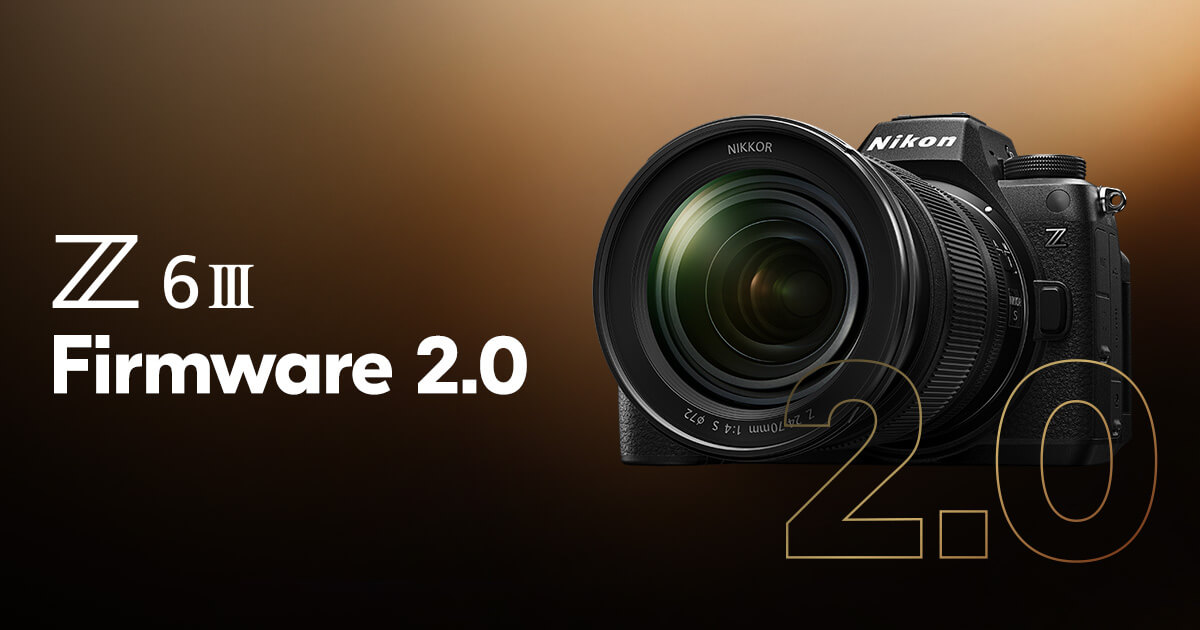
Nikon’s Z 8 Firmware 3.0 and Z6III Firmware 2.0 updates show how much practical video performance now arrives after purchase: stronger AF control behavior, broader workflow options, and tighter monitoring support.
Why it matters: If your team only evaluates gear at purchase time, you miss the performance gains that can reduce retakes, speed setup, and improve consistency between shooters.
Sources: Nikon Z 8 Firmware 3.0 overview; Nikon Z6III Firmware 2.0 overview.
If your team needs a repeatable update-and-validation process, Tographer’s 1 Hour Virtual Consult can help build a practical firmware and test checklist.
2) AI video is moving from effect mode to product workflow mode
Runway’s launch of Runway Labs reflects a broader shift: AI video tooling is being built as end-to-end product infrastructure, not just one-off generation demos.
Why it matters: Creator teams that fold previsualization and iteration tools into planning can reduce expensive re-shoots and make stakeholder approvals faster.
Sources: Runway: Introducing Runway Labs; Runway News hub.
For teams building AI-assisted ideation into production planning, Tographer’s One Day Content Creator Virtual Bootcamp is a useful way to design repeatable creative systems.
3) Text-native editing stacks are doubling down on turnaround speed
Descript’s 2026 updates around automatic volume leveling, timeline improvements, and broader Overdub availability reinforce a practical trend: more editing decisions are getting abstracted into language-first controls.
Why it matters: When rough-cut quality can improve earlier in the process, teams spend fewer cycles on mechanical cleanup and more on structure, pacing, and story.
Sources: Descript: Automatic volume leveling and timeline edits; Descript: Overdub on all plans.
If your edit handoff still relies on scattered notes and version confusion, Tographer’s Content Consulting can help standardize your review loop.

What to Do Next
Run a 30-minute update sprint this week: pick one camera firmware update, one editing-tool release, and one AI-assisted planning step—then measure whether you save time on your next deliverable.
From the Tographer
A grounded look at creator workflow decisions and how to build systems that hold up when production pressure spikes.