Your Footage Is Faster Than Your Team: 4 Videography Workflow Shifts to Watch


You can shoot pristine footage all day and still miss deadlines if handoff, control, and review are clunky. The teams pulling ahead right now are buying fewer "hero" upgrades and fixing the points where production actually stalls.
Trend Breakdown
1) Studio camera automation is becoming a staffing multiplier
Panasonic’s NAB 2026 preview highlights PTZ and studio systems built around autofocus, remote operation, and IP-first routing. The big shift is practical: one operator can now manage more shots and faster camera changes without collapsing quality standards.
Why it matters: if your production load is growing faster than your headcount, automation inside camera control can protect consistency better than adding more random gear.
Sources: Panasonic NAB 2026 announcement.
If your team needs help mapping operators, roles, and repeatable shoot systems around these upgrades, a One Day Content Creator Virtual Bootcamp is a practical way to lock a workflow before adding complexity.
2) Live graphics and trigger-based production are getting more event-aware
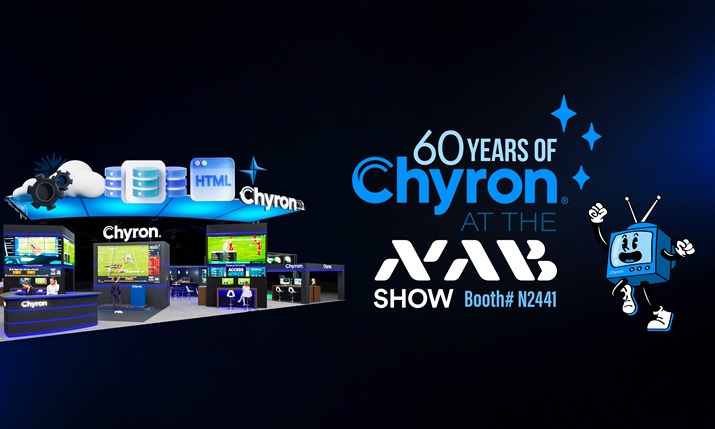
Chyron’s NAB 2026 rollout points to tighter links between graphics, PTZ control, and event-based triggers. Instead of manually stitching every action, systems can respond to milestones and feed changes in near real time.
Why it matters: fewer manual switches means fewer on-air errors and less crew fatigue during long-form events.
Sources: SVG Europe on Chyron at NAB 2026.
3) Camera-to-cloud is now expected in hybrid photo-video bodies
Leica’s SL3/SL3-S firmware 4.0 update adds direct Frame.io connectivity, open-gate options, and autofocus improvements that make hybrid capture less disruptive in post.
Why it matters: when proxies and media move straight into review pipelines, your editor starts sooner and delivery risk drops.
Sources: CineD firmware breakdown.
If your team keeps fighting turnaround pressure after shoot day, Tographer’s 2-Day On-Site Content Intensive can help you rebuild capture-to-edit handoffs in a real production environment.

4) Recorder ecosystems are moving toward cloud-native collaboration
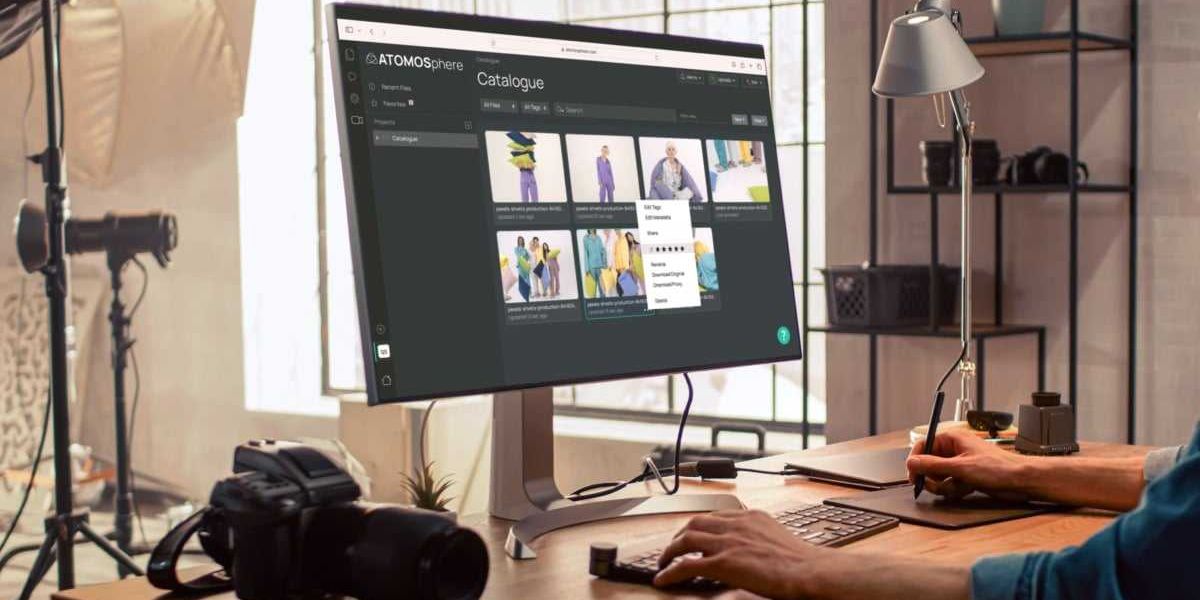
No Film School’s look at Atomosphere underlines a broader trend: recorder workflows are extending beyond acquisition into shared review, cloud editing, and faster remote collaboration.
Why it matters: if client feedback and revision cycles happen in distributed teams, cloud-first recorder ecosystems reduce turnaround drag between shoot and publish.
Sources: No Film School on Atomosphere; Atomos Ninja RAW announcement.
To keep rough cuts moving while feedback cycles are still in motion, the Nolan Cinematic Scores Music Pack can speed up first-pass story pacing.
What to Do Next
Pick one active project and measure only two numbers this week: time-to-first-cut and time-to-client-review. Any upgrade that does not improve one of those numbers is probably a distraction.
From the Tographer
A field-tested conversation on improving creator workflows and production decisions.