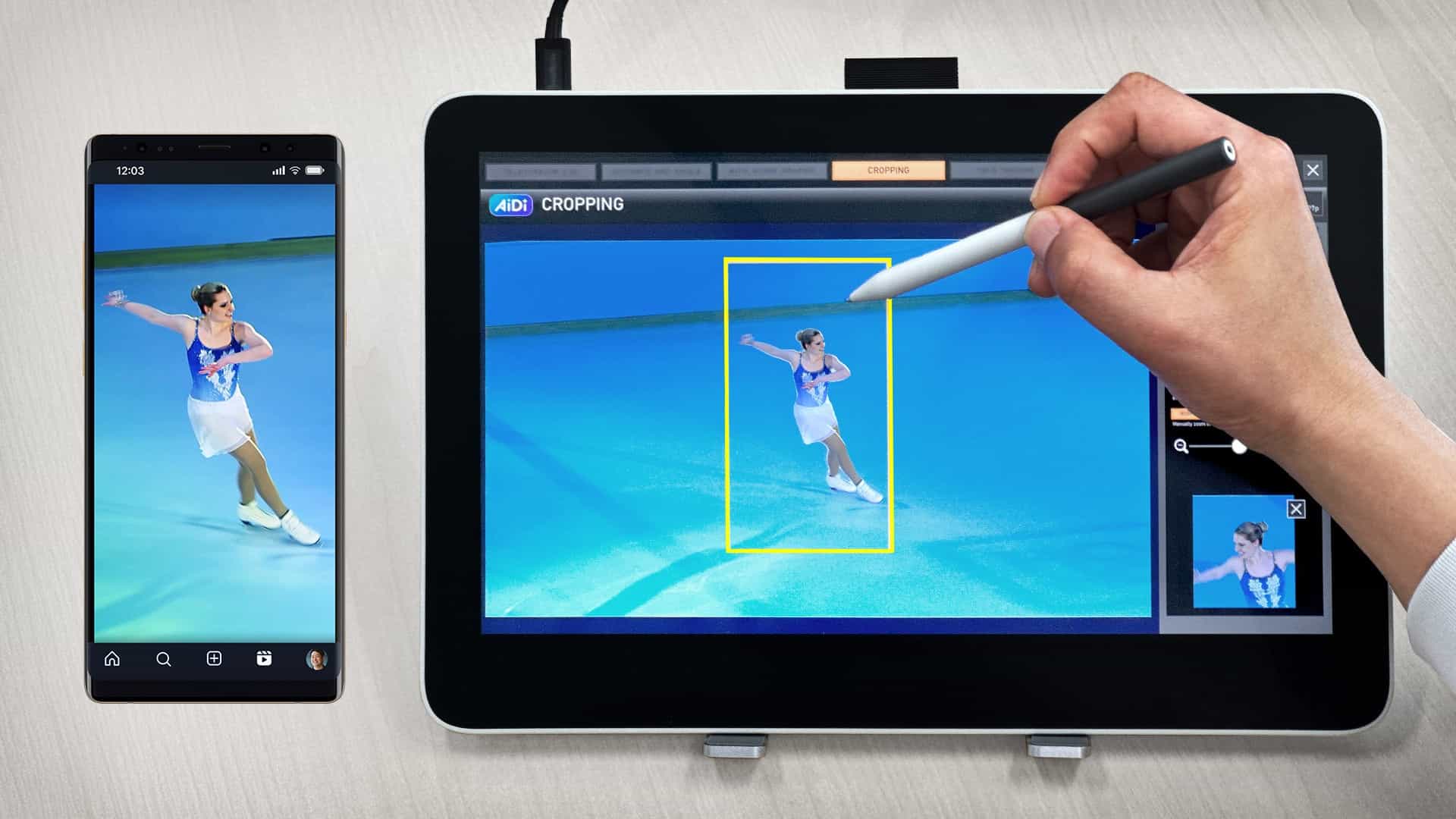
Your Multicam Rig Isn’t Broken—Your Control Layer Is

Most creator teams don’t lose time because their cameras are weak—they lose time because control is fragmented. One app for switching, another for tracking, another for monitoring, and suddenly every shoot has hidden friction.
Trend Breakdown
1) PTZ systems are shifting from hardware-first to browser-first control
PTZOptics is leaning hard into this with Move 4K + Horizon, positioning camera operations around web-based control, automation, and AI-assisted tracking instead of fixed hardware control surfaces.
Why it matters: If camera control can run from anywhere, small teams can operate more like full control rooms without adding headcount.
Sources: PTZOptics NAB 2026 announcement; TV Tech coverage of Move 4K + Horizon.
If you’re trying to standardize this kind of camera-control workflow without chaos, Tographer’s Content Creator Services can help you build a repeatable operating model.
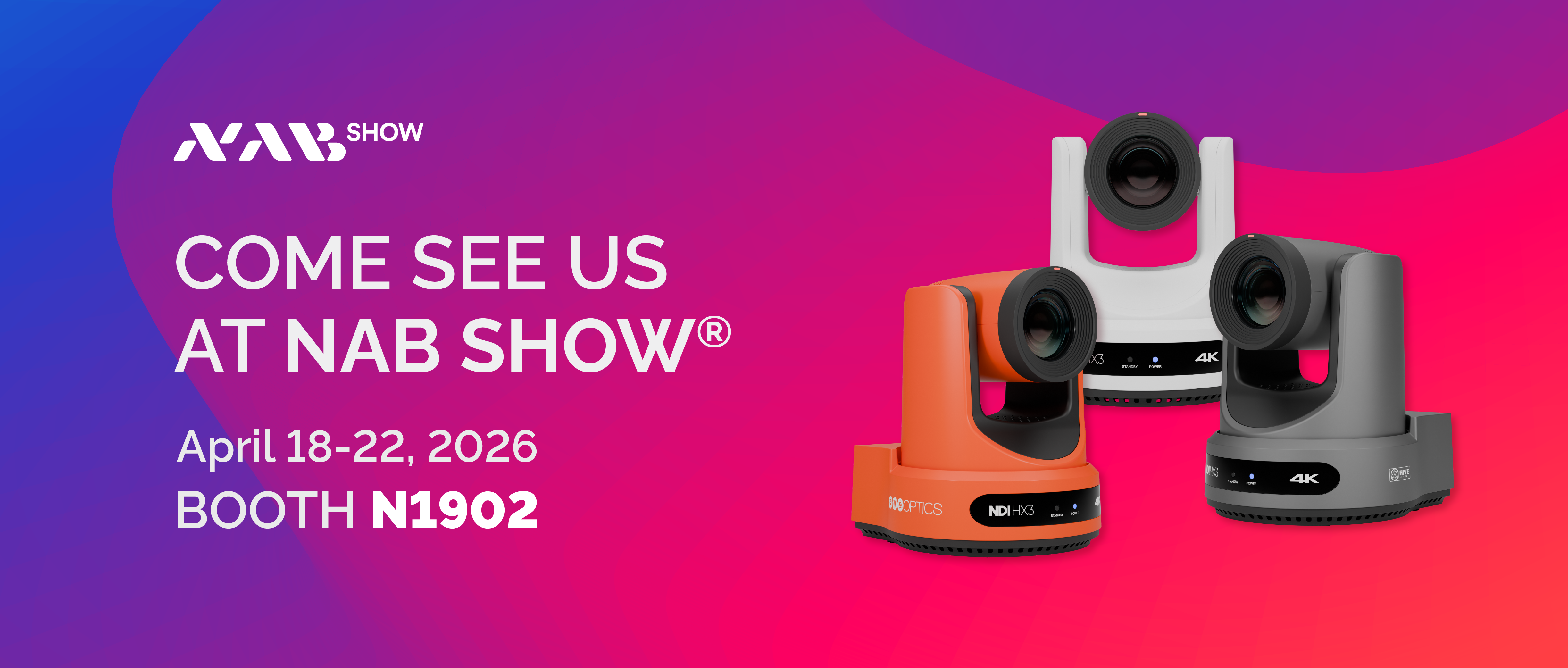
2) IP-native production ecosystems are replacing one-box live production
QuickLink’s StudioPro positioning at NAB 2026 emphasizes modular IP pathways (NDI, hybrid SDI/NDI, and ST 2110 variants) plus dedicated control surfaces.
Why it matters: Teams can scale channel count and workflow complexity without rebuilding their entire stack each time a client asks for “just one more output.”
Sources: QuickLink StudioPro NAB 2026 release; Film and Digital Times NAB 2026 preview.
For creators moving from ad-hoc setups into dependable live pipelines, the One Day Content Creator Virtual Bootcamp is a practical bridge.

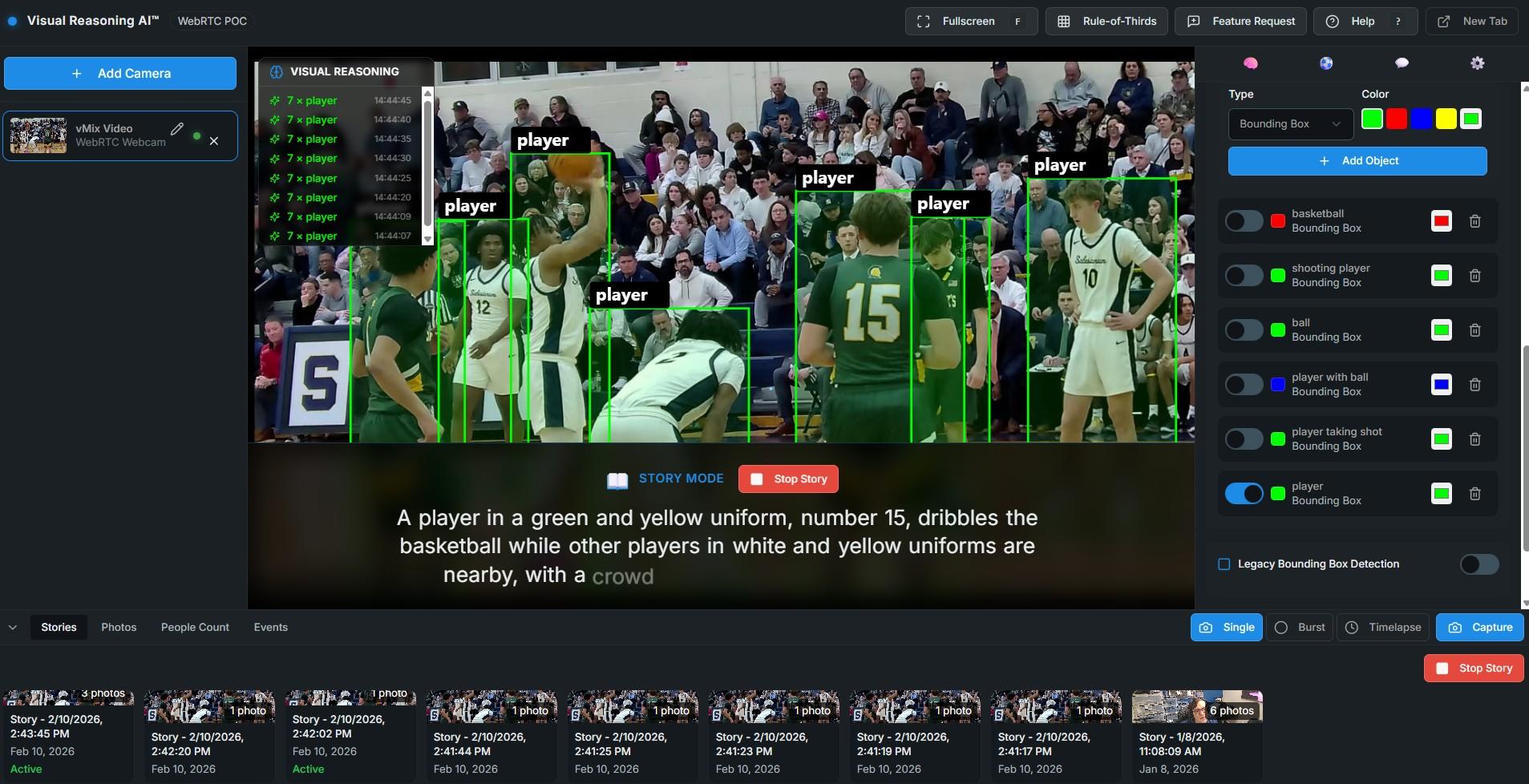
3) Visual reasoning and event-driven automation are entering live production language
The notable shift is not just AI tracking—it’s AI tied to event triggers, indexing, and responsive camera behavior. That points toward systems that react to production context in real time.
Why it matters: The next productivity gains in video will likely come from fewer manual interventions during live capture, not just faster editing afterward.
Sources: PTZOptics Visual Reasoning notes; TV Tech event-driven workflow details.
If your team wants to validate automation before committing to a full overhaul, a focused 1 Hour Virtual Consult can map the highest-impact first moves.
What to Do Next
Run one live or multicam session this week and log each manual handoff (framing, switching, monitoring, clip review, ingest). If three or more steps depend on one person remembering things, your real bottleneck is control architecture—not camera specs.
From the Tographer
A current breakdown on new Canon body announcements and where feature lists do (and don’t) translate into practical creator value.