Your Next Bottleneck Isn’t Camera Quality—It’s Control Surface Design

Here’s a bold prediction: within a year, creator teams will judge cameras and switchers less by image specs and more by how quickly they can be controlled, reconfigured, and handed off under pressure.
Trend Breakdown
1) Software-defined production is replacing hardware-first workflow decisions
Vendors are pushing production stacks that move switching, graphics, and signal flow into software layers instead of fixed hardware paths.
Why it matters: When your workflow logic lives in software, you can adapt faster for new formats, clients, and platforms without rebuilding your entire pipeline.
Sources: FOR-A IMPULSE platform; FOR-A MixBoard; Ross Video NAB 2026 overview.
If your setup keeps breaking at the “who controls what” layer, Tographer’s Content Creator Services can help map a simpler operator flow around your real team roles.
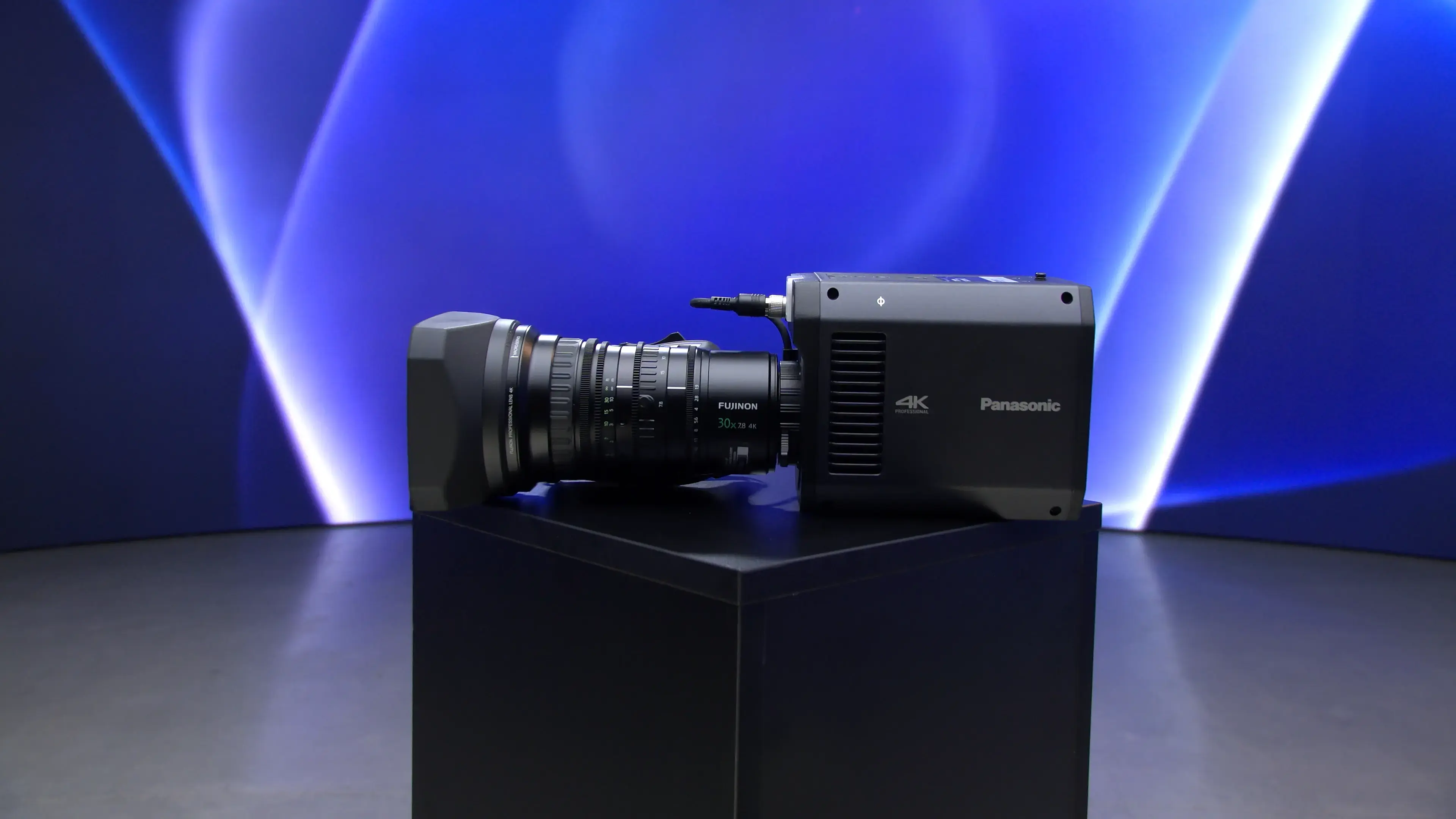
2) IP-native camera nodes are making hybrid SDI/IP migration actually practical
Panasonic’s AK-UBX100 positioning is clear: keep teams productive in hybrid environments while transitioning toward ST 2110, with protocol flexibility that reduces rewiring pain.
Why it matters: Most teams can’t do a full rip-and-replace. Hybrid-ready camera systems let you modernize in stages while still shipping content every week.
Sources: Panasonic AK-UBX100 NAB 2026 brief; Panasonic NAB exhibitor listing.
For teams migrating from patchwork SDI chains, Tographer’s One Day Content Creator Virtual Bootcamp is a fast way to build a phased upgrade plan you can actually execute.
3) Firmware is becoming UX strategy: cinema cameras now ship with operator-first dashboards
Sony FX6 firmware 6.00 adds the BIG6 home screen and workflow-facing improvements that prioritize in-shoot decision speed over menu hunting.
Why it matters: As feature sets converge, interface clarity becomes a measurable performance advantage—especially for small teams switching roles mid-shoot.
Sources: Sony FX6 firmware 6.00 download page; CineD firmware analysis.
If your team loses time to menu friction and inconsistent camera setup, Tographer’s 1 Hour Virtual Consult can pinpoint the highest-impact control and preset changes.

What to Do Next
Run one operator-friction audit this week: count every time someone pauses production to find a setting. Then standardize the top three recurring settings into shared presets and button maps.
From the Tographer
A practical Tographer video on building production systems that hold up under real deadlines.