
youtube
Nothing ever changes
A practical look at why bad movies are not a new problem, how social platforms changed visibility, and why your memory of the past filters out most of the misses.

youtube
A practical look at why bad movies are not a new problem, how social platforms changed visibility, and why your memory of the past filters out most of the misses.
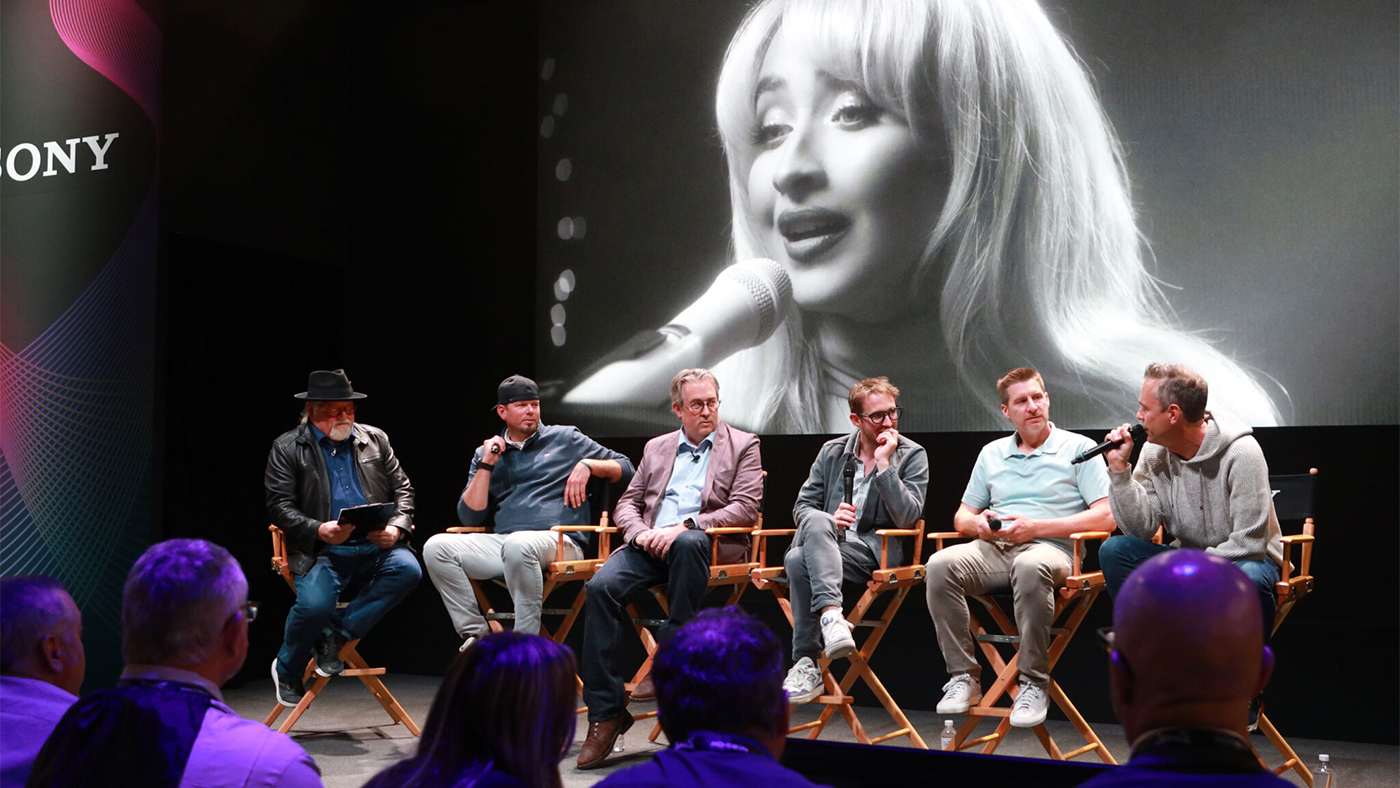
The edge is shifting from "best-looking frame" to "least fragile production system." Teams that can reroute audio, recover streams, and keep multi-cam shoots moving are pulling ahead of teams still optimizing only for image specs. Trend Breakdown 1) Cine cameras are being pushed deeper
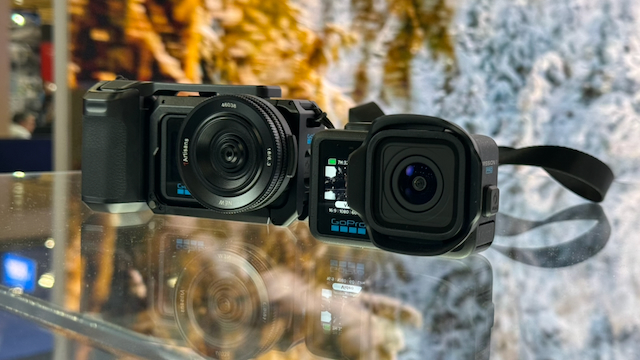
When Sony’s FR7 firmware added stronger tracking-data output and multicast support, it reinforced a shift many small teams are already feeling: control and recovery features are now deciding whether shoots stay profitable. Trend Breakdown 1) PTZ and virtual-production metadata are moving into mainstream camera workflows Sony’s
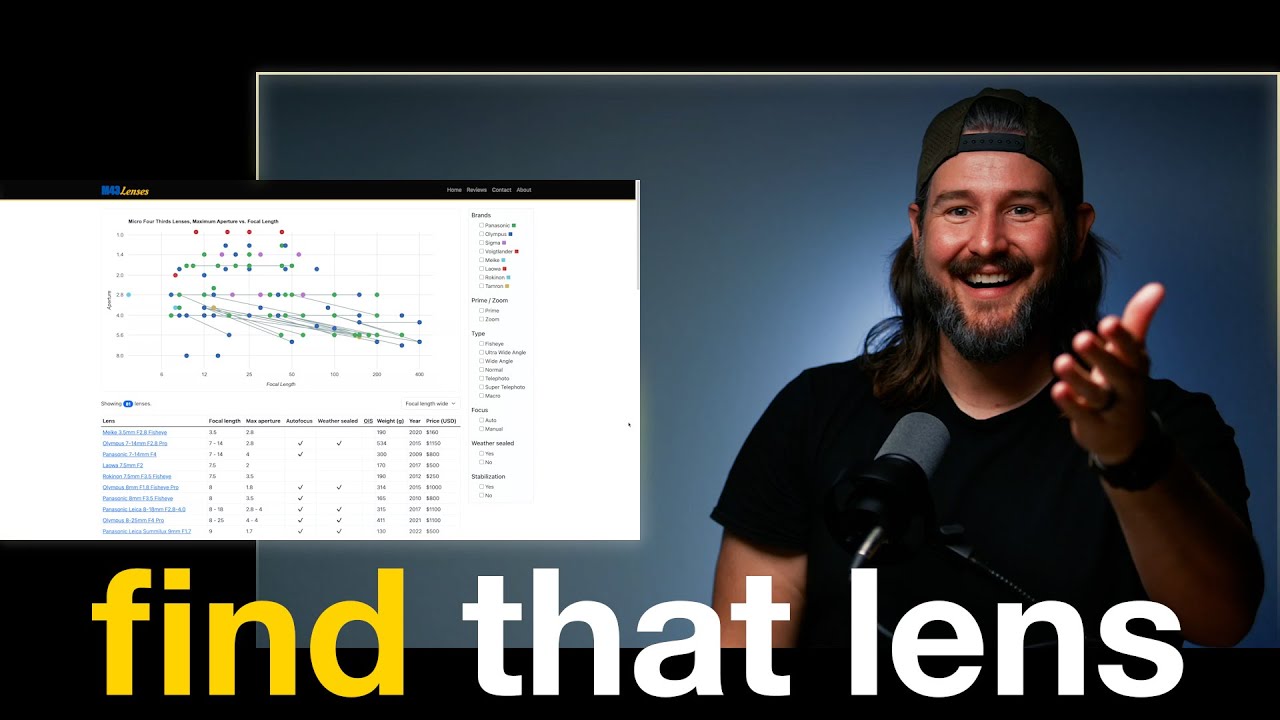
Stop guessing which MFT lens exists and filter your way to the right one If you shoot Micro Four Thirds, you probably know the feeling. You need a very specific lens for a specific job, but finding it can turn into a messy loop of random review videos, marketplace listings,

Missed deadlines often start long before final export: footage comes in, but teams can’t query it, route it, or trust its history fast enough. The strongest creator workflow signals right now all point to the same upgrade path—treat video like structured data, not just files on a drive.

Brand meaning drives buying decisions before specs ever do When you hear Nike, Adidas, Canon, Sony, or RED, you already feel something before you compare a single line item on a spec sheet. You probably picture who uses it, where it shows up, and what kind of work gets made
Most creator teams don’t lose time because they lack resolution—they lose it when handoffs fail and recovery plans don’t exist. This week’s strongest workflow signals all point the same way: durable pipelines are becoming the real competitive edge. Trend Breakdown 1) Verified backup is becoming a

On 2015-04-11, I published "Sony A7s Supercut Review" after spending real hands-on time with the camera and trying to answer a practical creator question: was this actually a better tool, or just a hype machine with expensive add-ons? Original throwback video: Sony A7s Supercut

The next gear flex won’t be image sharpness—it’ll be how fast your production recovers when signal, color, or routing breaks mid-session. The strongest announcements right now point toward systems that minimize interruptions and keep small teams moving. Trend Breakdown 1) PTZ and studio camera control is
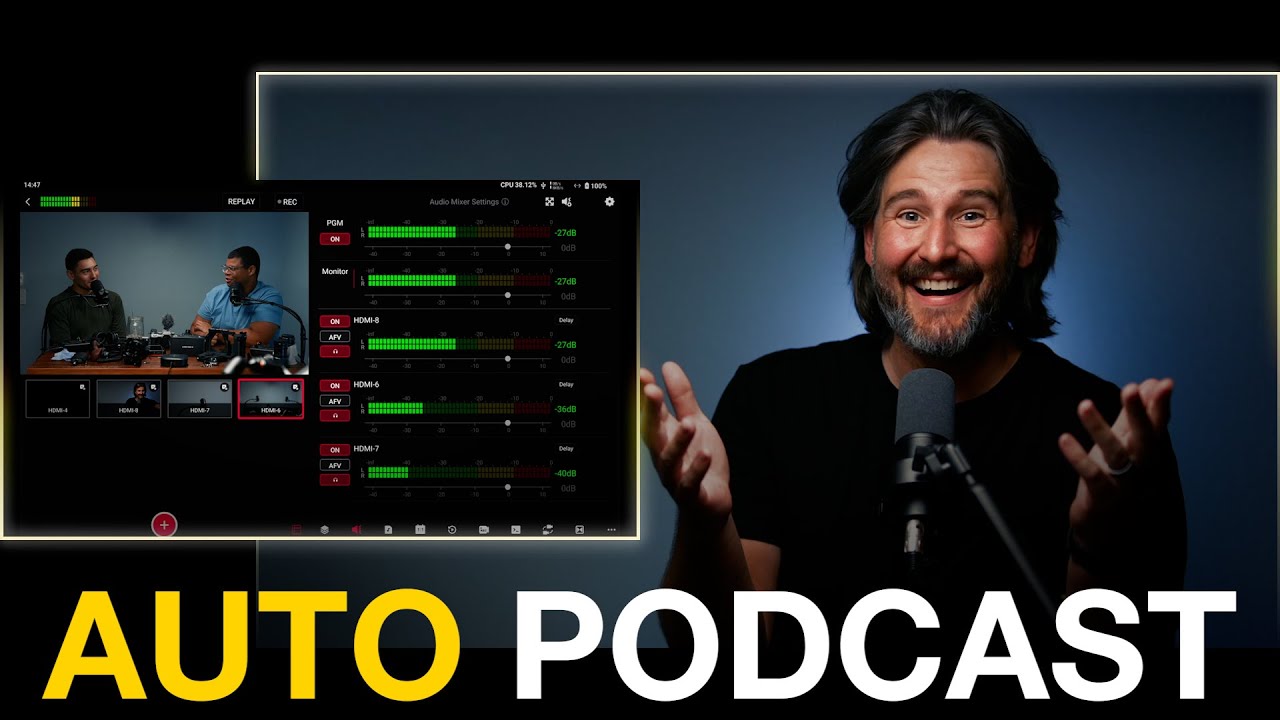
YoloBox Extreme: 4K Autonomous Multicam Switcher with Video Follows Audio (VFA) What this solves in real production If you run a podcast, interview show, classroom stream, church feed, or sports setup, you already know the pain point. Manual switching adds labor, and every extra operator adds cost and complexity. What
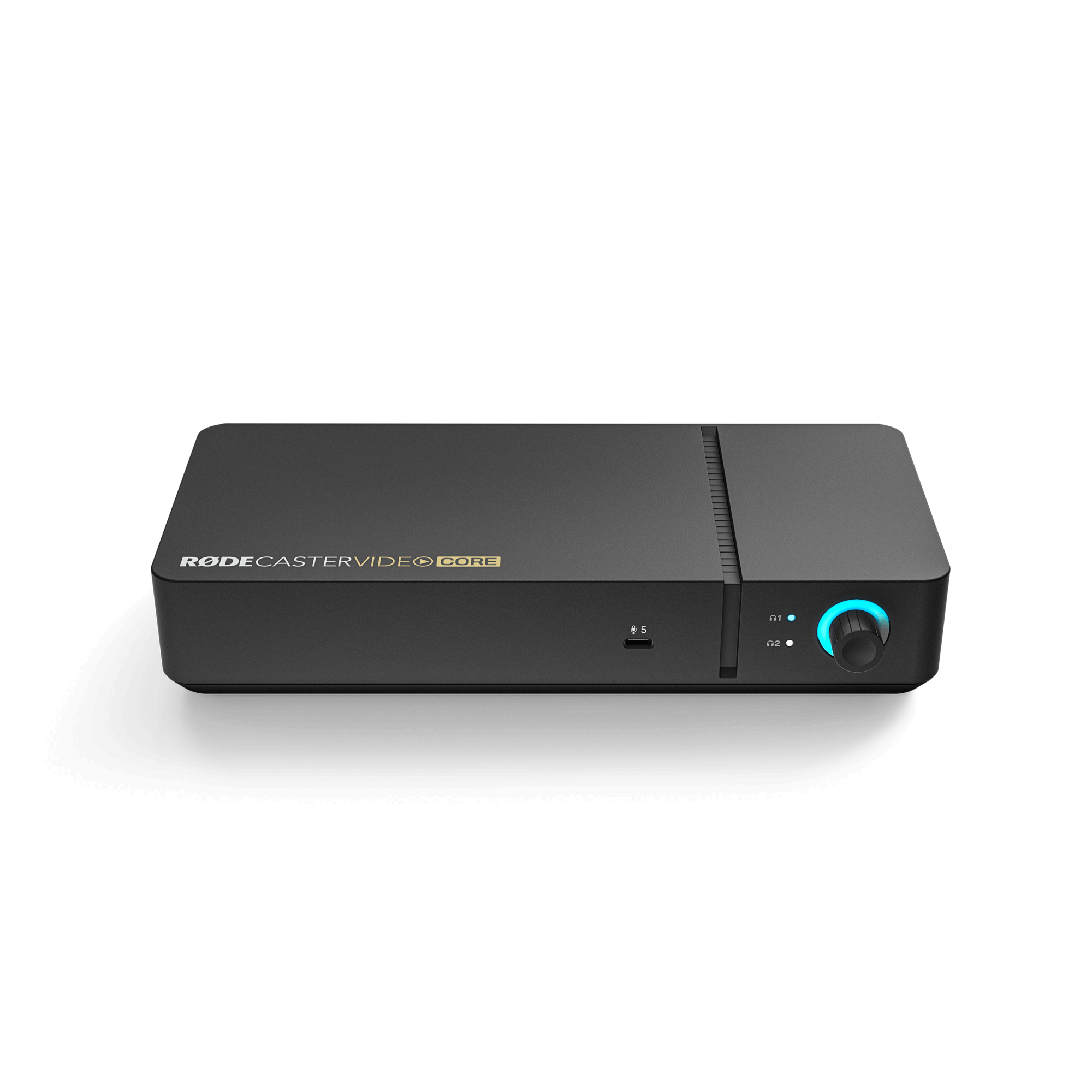
If your productions keep stalling between capture and delivery, another camera body is usually the most expensive way to avoid the real issue. This week’s strongest signals point to a different advantage: rigs that recover quickly, route cleanly, and simplify operator decisions under pressure. Trend Breakdown 1) Integrated video+

You can buy a faster camera this month and still miss deadlines next month if your team is stuck waiting on transfers, reconnections, and handoff cleanup. The sharper move is upgrading the pipeline around your footage. Trend Breakdown 1) Cloud-mounted editing is moving from nice-to-have to baseline